Downy mildew
📖 Overview
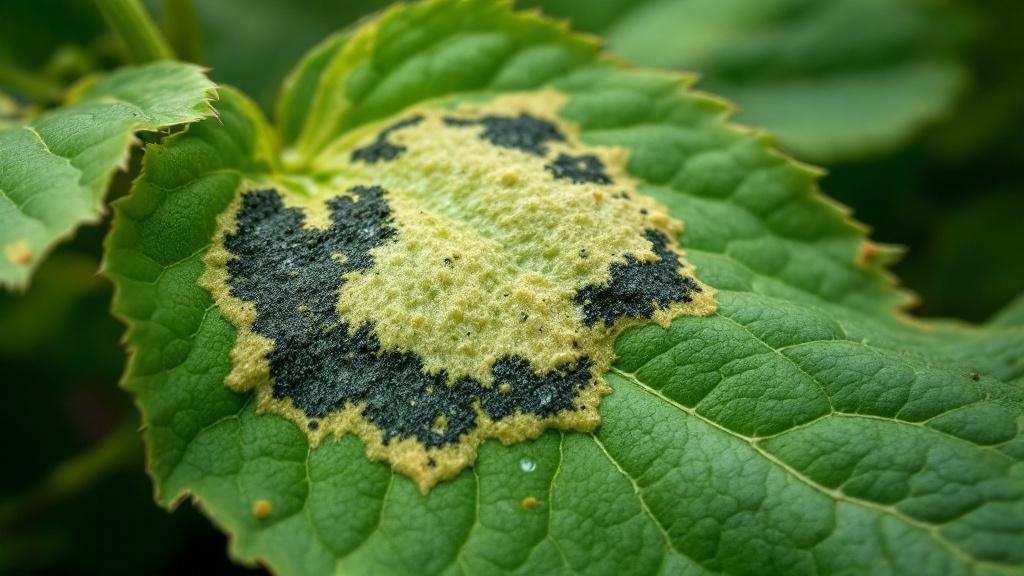
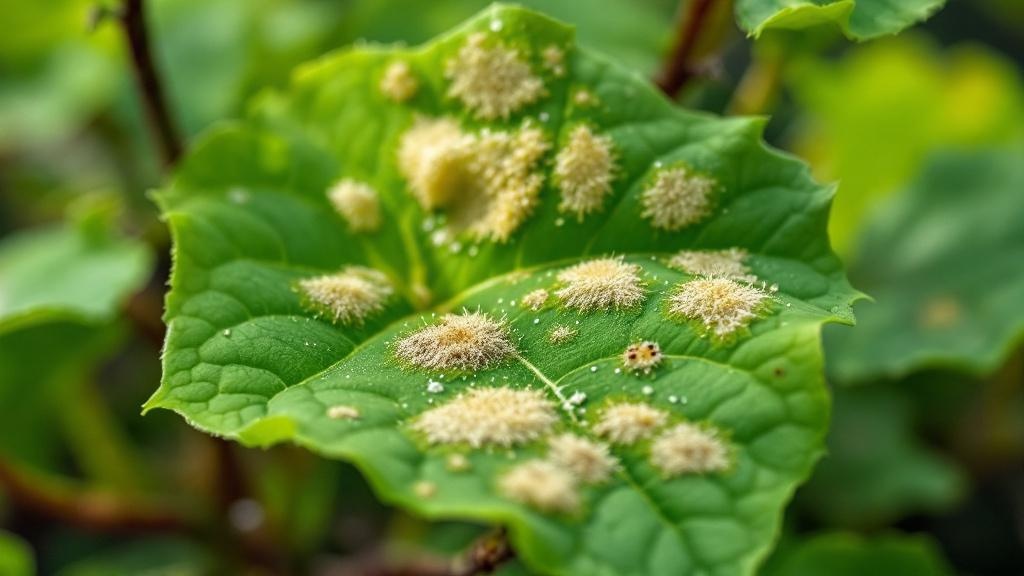
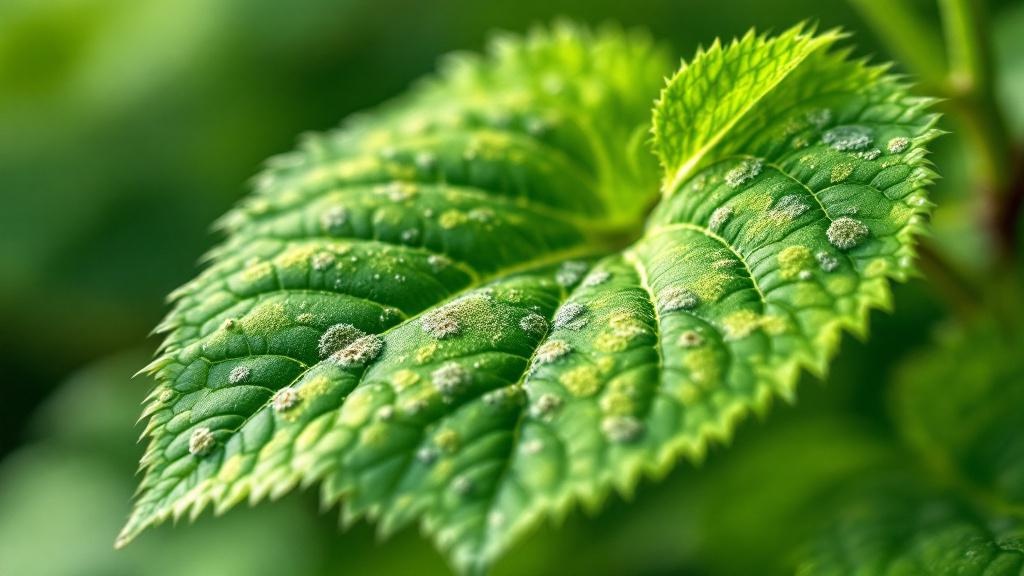
Downy mildew is a water mould disease caused by Peronospora species that thrives in cool, wet conditions and can devastate grapevines, cucumbers, lettuce, tomatoes, and brassicas within weeks if left unchecked. Unlike powdery mildew, which sits on the leaf surface like flour, downy mildew attacks from underneath—you'll see pale yellow or olive-green oily spots on the upper leaf surface, and on the underside, a distinctive grey-purple fuzzy coating that's actually the fungal spores waiting to spread. This disease is particularly serious in vineyards, where infected grape clusters turn brown and split, ruining the harvest, but it's equally damaging in vegetable gardens during rainy springs and summers.
The danger window runs from late April through September in temperate zones, peaking in June-July when warm rains combine with cool nights and morning dew—the exact conditions this water mould loves. The first sign to watch for is those characteristic oily yellow patches appearing on lower or middle leaves after 3-4 rainy days; check the leaf undersides immediately, and if you see the grey-purple fuzz, you've caught it early enough to act. Downy mildew spreads aggressively through water splash and spreads fastest when humidity stays above 85 percent and temperatures hover between 15 and 25 degrees Celsius for six or more hours daily.
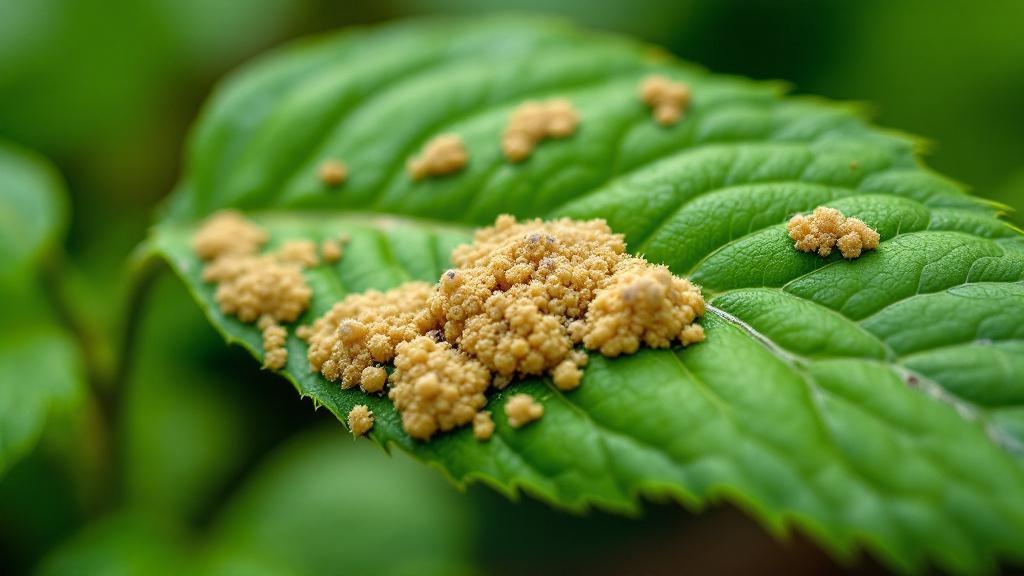
You can distinguish downy mildew from its look-alike, powdery mildew, in seconds: powdery mildew is white, chalky, and sits on both sides of leaves like dust that wipes off; downy mildew's fuzzy coating is on the underside only and won't brush away. Resistant grape and cucumber varieties exist and are worth considering if you garden in a historically wet area, but prevention—good air circulation, removal of fallen leaves, and copper sprays applied before rainy spells—remains your strongest defence even with resistant plants.
🔍 How to identify
A levél SZÍNÉN sárgászöld olajfoltok, a FONÁKON szürkés-lila penészbevonat. Szőlőn a fürtök is megbarnulnak. Lisztharmattól könnyen elkülöníthető — az nem a fonákon van.
🌿 Common host plants
💊 Treatment
Rézvegyületek: Bordói lé (1%), rézoxiklorid (Kupritox, Vitra). Megelőző permetezés esős időszak előtt.
Cymoxanil + mancozeb (Curzate), fosetyl-Al (Aliette), metalaxil-M (Ridomil Gold).
🛡️ Prevention
Levegős állás, vegetációs időszak alatt megelőző réz-permetezés esős időszak előtt. Hullott levél eltávolítása.
💡 Notes
Csapadékos meleg (15-25°C + 6+ óra levélnedvesség) ideális neki. Szőlészetben az egyik fő ellenség.
Frequently asked questions
How fast does downy mildew spread once I spot it?
It can spread to new leaves within 3-5 days of infection under wet conditions, and an entire plant can be heavily affected within 2-3 weeks if you don't intervene. Once conditions become dry and temperatures rise above 25°C, spread slows dramatically, but spring and early summer rains can accelerate it to a point where daily inspection is needed.
Can I save a plant that's already infected, or do I have to pull it out?
Light to moderate infections can be stopped if caught early: remove all visibly affected leaves, improve air circulation around the plant, and begin weekly copper sprays (Bordó lé 1% or copper oxychloride) immediately after a rain. Heavily infected plants, especially grapevines with brown fruit clusters, are better removed to prevent spread to neighbors.
Does downy mildew overwinter in my garden soil and dropped leaves?
Yes—spores survive winter in fallen infected leaves and also in plant debris, so thorough autumn cleanup is essential to reduce next year's infection pressure. Remove all fallen grapevine and vegetable leaves by November and either compost them hot (above 60°C for 3 weeks) or dispose of them in household waste rather than your regular garden compost pile.
What's the safest organic option for a backyard with kids and pets?
Copper-based products like Bordeaux mixture (1%) or copper oxychloride are the lowest-toxicity options available and are approved for organic gardening; apply them every 7-10 days during rainy periods starting in late April, always in the early morning or evening to avoid leaf burn. Ensure good air circulation and remove infected leaves by hand to minimize spray volume needed.
Which resistant varieties are actually worth planting if downy mildew keeps hitting my garden?
For grapes, resistant varieties like Solaris, Regent, and Hibernal tolerate Peronospora far better than Vitis vinifera classics; for cucumbers, hybrid varieties bred for disease resistance are available through most seed suppliers. Switching to resistant varieties is a sound long-term strategy in persistently wet climates, but pair them with preventive copper sprays and leaf removal for best results.
Not sure what's wrong? Take a photo!
Plantora's AI Plant Doctor identifies the issue from a single photo in seconds and gives you a tailored treatment guide.
Try AI diagnosis (free) →