African Milk Tree
The African Milk Tree (Euphorbia trigona) is a popular succulent prized for its tall, columnar shape and deep green leaves, sometimes tinged with red. If you've recently brought one home, you're probably wondering how often to water it and whether it needs special care in cooler European winters. This hardy plant is surprisingly forgiving, but understanding its moisture and light needs will help it thrive year-round.
Watering Your African Milk Tree
Water thoroughly every 10-14 days during the growing season (April to September), allowing the soil to dry out completely between waterings. In autumn and winter, reduce watering to once every 3-4 weeks or even monthly, as the plant enters dormancy and requires far less moisture. Overwatering is the most common mistake — the roots will rot if left in wet soil. Use the finger test: insert your finger 2-3 cm into the soil; if it feels dry, water; if moist, wait another week.
Light Requirements for Euphorbia trigona
Position your African Milk Tree in bright indirect light or direct sunlight for at least 4-6 hours daily. South- or west-facing windowsills in Central Europe or the UK are ideal, especially from late March through September. In winter, when light levels drop, move it even closer to the window or consider a grow light if natural light is severely limited. Insufficient light causes leggy, stretched growth and loss of leaf color — a sign your plant is reaching for light.
Soil and Repotting
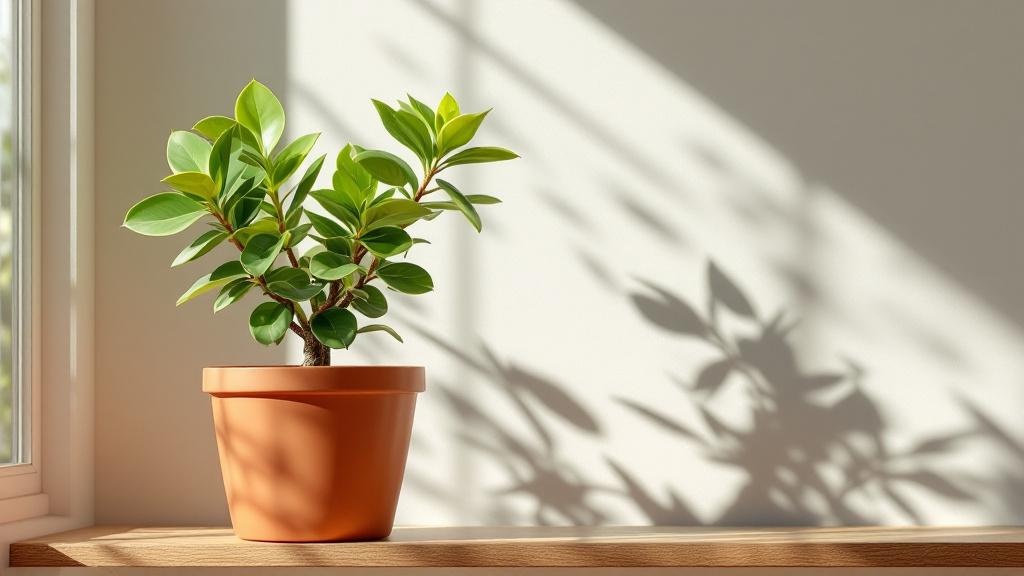
Use a well-draining succulent or cactus potting mix; regular houseplant soil retains too much moisture and will cause rot. You can amend standard potting soil with perlite or coarse sand (50/50 ratio) if specialized mixes are hard to find. Repot every 2-3 years in spring (late March or April) into a container only 1-2 cm larger in diameter. Ensure the pot has drainage holes and use terracotta if possible, as it allows soil to dry faster than plastic.
Temperature and Humidity
African Milk Trees prefer temperatures between 15-26°C and tolerate typical indoor conditions well. Protect the plant from temperatures below 10°C; in autumn, move it away from cold windows or drafty doors as temperatures drop. These succulents prefer dry air and do not need misting — in fact, excess humidity can encourage fungal issues. During winter in Northern Europe, keep the plant away from radiators and heating vents, which can cause sudden temperature fluctuations.
Fertilizing Your African Milk Tree
Feed every 4 weeks during the active growing season (April to August) with a diluted balanced fertilizer or one formulated for cacti and succulents. Reduce to every 6-8 weeks in autumn, and stop feeding entirely from October through March when growth slows. Over-fertilizing causes excessive soft growth and weakens the plant's natural resilience. A half-strength solution applied to moist soil is safer than full-strength fertilizer.
Common Problems and Solutions
Root rot from overwatering is the primary issue — roots blacken and stems collapse if soil stays wet; repot into fresh, dry soil immediately and reduce watering frequency. Mealybugs and spider mites can infest African Milk Trees in warm indoor conditions; spray infested areas with a neem oil solution every 7-10 days until pests are gone. Pale, stretched stems indicate low light — move the plant closer to a window or provide supplemental lighting. Brown, soft patches suggest fungal infection from humidity; improve air circulation and reduce misting.
Frequently asked questions
How often should I water my African Milk Tree?
Water every 10-14 days during spring and summer when the soil is completely dry, then reduce to once monthly in autumn and winter. Always check that the top 2-3 cm of soil is dry before watering again to prevent root rot.
Why are my African Milk Tree leaves turning pale or yellowish?
Pale leaves usually signal insufficient light — move the plant to a brighter location with at least 4-6 hours of direct sun daily. If leaves are also soft or translucent, overwatering is likely the cause; repot into fresh, dry soil and let the plant recover.
Is African Milk Tree toxic to cats and dogs?
Yes, the white latex sap is toxic to cats, dogs, and humans if ingested or if it contacts skin. Wear gloves when handling, wash your hands after care, and keep the plant away from curious pets and children.
Can I keep an African Milk Tree outdoors in summer in Europe?
Yes, you can place it outdoors from late May to early September in a sunny, sheltered spot in USDA zones 5-8. Bring it indoors before the first autumn frost (September or early October) as temperatures below 10°C will damage the plant.
What size pot does an African Milk Tree need?
Use a pot with a diameter 1-2 cm larger than the root ball, with drainage holes in the bottom. Repot every 2-3 years in spring; too large a pot holds excess moisture and increases rot risk.