Thyme
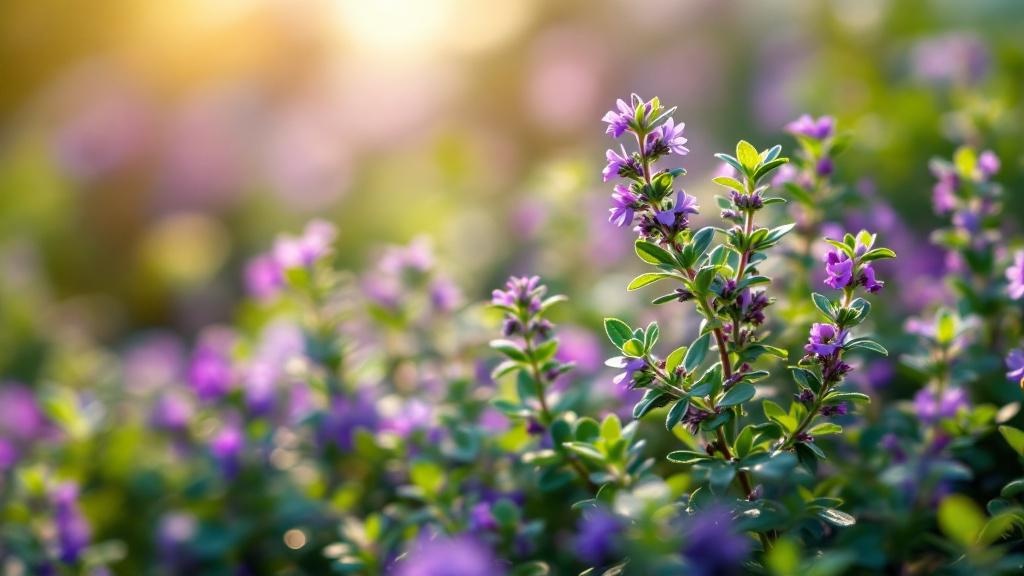
Thyme is one of the easiest herbs to grow in temperate climates, making it ideal for beginner gardeners and busy homeowners. This evergreen perennial produces fragrant leaves year-round and attracts pollinators with delicate purple, pink, or white flowers. The biggest question gardeners ask is how to prevent waterlogging—thyme hates wet feet more than most plants.
Watering your thyme correctly
Thyme is drought-tolerant and dislikes consistently wet soil, which causes root rot. Water only when the top 2-3 cm of soil feels dry to the touch—typically every 10-14 days in the growing season, and far less in winter. Outdoor established plants rarely need supplemental watering except during prolonged dry spells in summer. In pots, ensure drainage holes are clear and use a terracotta pot, which dries faster than plastic.
Light requirements for thyme
Thyme demands full sun to thrive and produce the best flavor and aromatic oils. Place plants in a south-facing or west-facing location with at least 6 hours of direct sunlight daily. Indoors on a sunny windowsill or under grow lights works well for kitchen supplies. In partial shade, thyme becomes leggy and loses its compact, bushy shape.
Soil and repotting
Use a gritty, well-draining potting mix—never standard houseplant compost, which holds too much moisture. Mix one-third coarse sand, perlite, or gravel into regular compost, or use a cactus mix. Repot in spring only if the plant has clearly outgrown its container; thyme actually flowers better when slightly pot-bound. Container thyme in temperate zones needs refreshing every 2-3 years.
Temperature and humidity
Thyme is hardy to around -15°C and prefers cool conditions between 15-22°C. It tolerates frost well outdoors in USDA zones 5-8 and rarely needs winter protection unless temperatures drop below -20°C. Humidity is not a concern; thyme prefers dry air. In very humid regions, ensure excellent air circulation to prevent fungal issues during damp autumn and winter months.
Feeding your thyme
Thyme needs minimal fertilizer and actually produces better flavor in leaner soils. Apply a balanced, diluted liquid feed (half-strength) once in spring and once in early summer if growing in containers. Do not overfeed, which encourages soft leaf growth at the expense of essential oils. In garden soil, a light mulch of aged compost in spring is usually sufficient.
Common problems and solutions
Root rot from overwatering is the number-one killer—the cure is to repot into dry soil immediately and improve drainage. Powdery mildew can appear in humid, poorly ventilated conditions, especially in late summer; remove affected leaves and improve air circulation. Spider mites occasionally trouble indoor plants in low humidity; mist with water or spray insecticidal soap as needed. Whitefly can be an issue in sheltered outdoor spots—handpick or use neem oil in early June if spotted.
Frequently asked questions
How often should I water thyme?
Water every 10-14 days when the top 2 cm of soil feels dry. Thyme prefers slightly dry conditions and will rot if overwatered. In winter, reduce watering to once every 3-4 weeks.
Can I grow thyme indoors on a windowsill?
Yes, thyme grows well indoors on a bright, south-facing windowsill with 6+ hours of direct sun. Use a well-draining pot and avoid the temptation to overwater. Harvest regularly to encourage bushiness.
When can I start harvesting thyme?
Harvest thyme once the plant is 10-15 cm tall, usually 6-8 weeks after planting. Pinch off leaf tips regularly—this encourages branching and keeps the plant compact. Never remove more than one-third of the plant at once.
Is thyme frost-hardy in temperate zones?
Yes, thyme is very frost-hardy and survives winter outdoors in zones 5-8 without protection. In fact, it often smells stronger after autumn frosts. Container thyme in exposed spots may need wrapping in cold regions below -15°C.
Why is my thyme turning brown or dying?
Brown thyme usually signals overwatering or poor drainage causing root rot. Check soil moisture, repot into fresh, gritty compost if soggy, and ensure pots have drainage holes. Leggy, pale growth usually means insufficient light—move the plant to a sunnier spot.