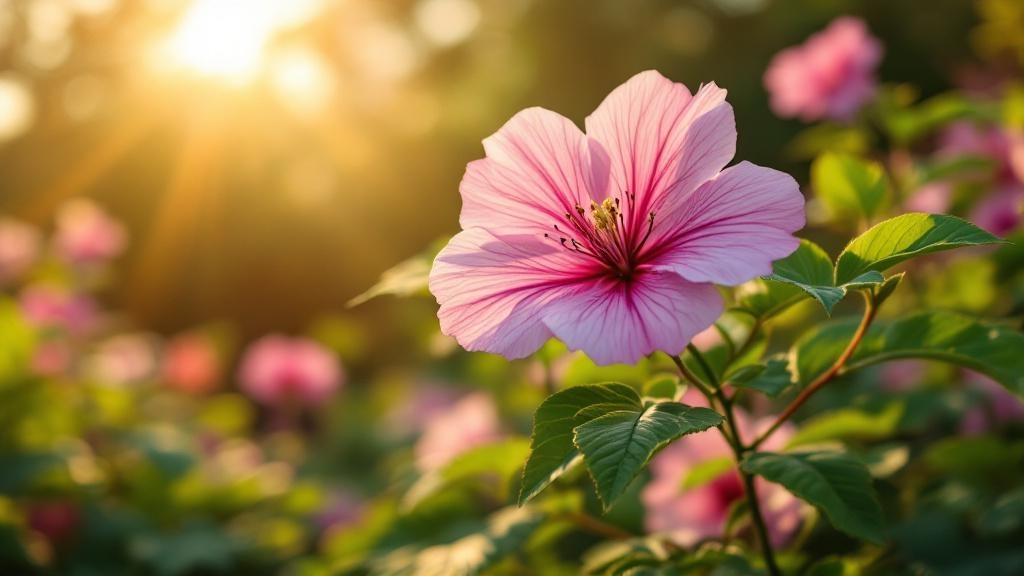
Petunia
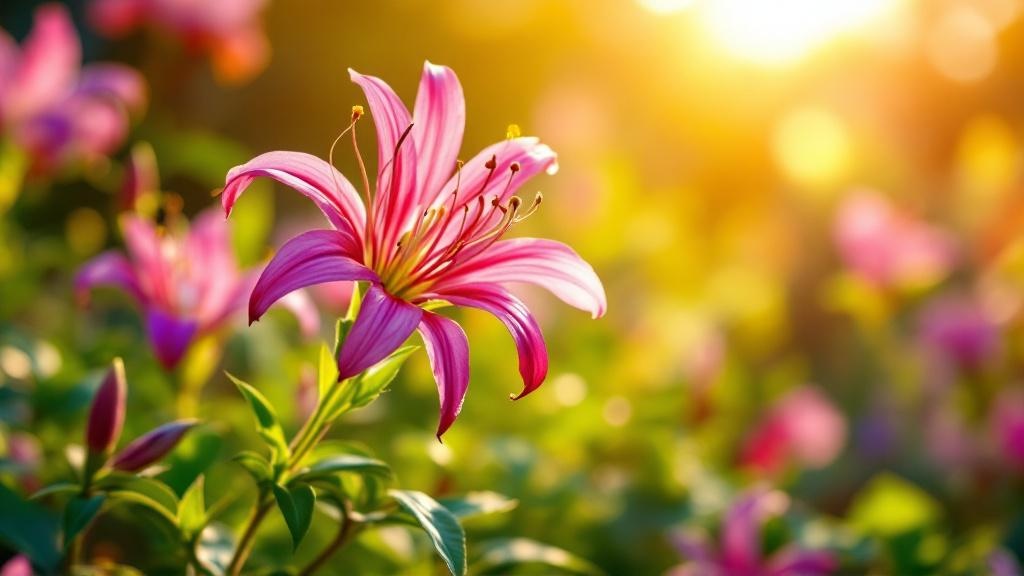
Petunias are among the most popular garden flowers in temperate regions, prized for their trumpet-shaped blooms in nearly every color imaginable. Whether you're growing them in containers, hanging baskets, or garden beds, the key question most gardeners ask is: how do I keep them blooming all season? The answer lies in consistent watering, plenty of sunlight, and regular deadheading.
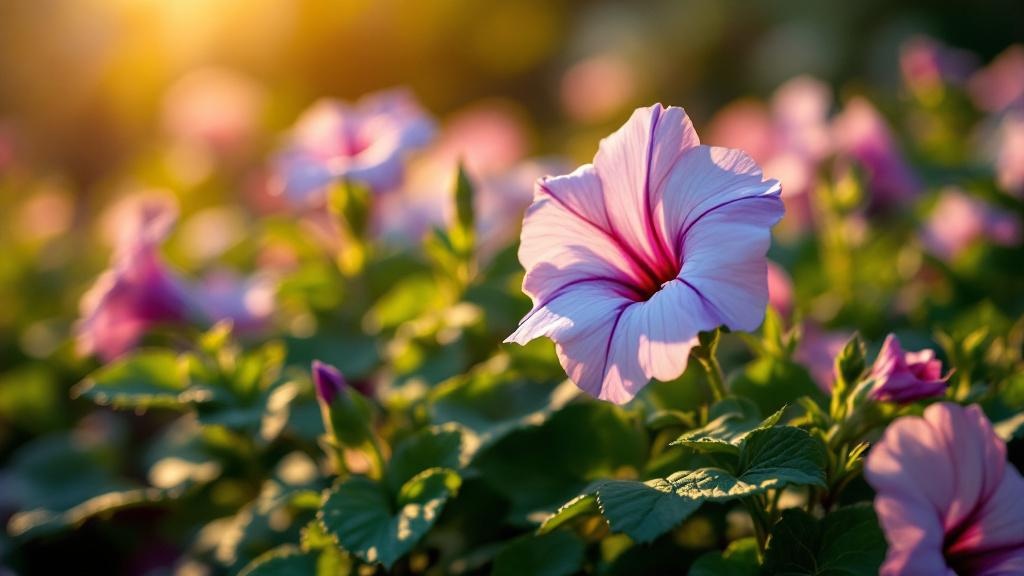
Watering Petunias Consistently
Water petunias deeply every 1-2 days during hot, dry spells in summer; reduce frequency to every 2-3 days when temperatures drop in autumn. Container petunias dry out faster than garden soil, so check moisture daily and water when the top inch feels dry. Avoid wetting foliage in the evening to reduce fungal disease risk. In temperate regions, you may skip watering during rainy periods, but ensure drainage is always adequate.
Light Requirements for Best Blooms
Petunias thrive in full sun with at least 6-8 hours of direct sunlight daily; they flower best with even more light. In temperate zones, afternoon shade during intense summer heat (July-August) can actually benefit petunias in southern regions, preventing flower stress. If grown indoors on a windowsill before transplanting outdoors in late May or early June, provide bright, indirect light or use grow lights. Insufficient light results in leggy growth and fewer flowers.
Soil & Repotting for Petunias
Use well-draining, fertile potting compost for containers and amend garden beds with compost before planting. Petunias prefer slightly acidic to neutral soil with good organic matter content. Container petunias typically don't need repotting during a single season, but check that drainage holes are clear. For hanging baskets and pots, refresh the top inch of soil monthly with fresh compost mixed with slow-release fertilizer.
Temperature & Humidity for Petunias
Petunias are frost-tender annuals and should not be planted outdoors until after the last frost date in your region (late April to mid-May in central European temperate zones). Ideal growing temperatures range from 15-28°C; they tolerate heat well but may struggle above 30°C without adequate water. Moderate humidity is ideal; high humidity combined with poor air circulation increases the risk of fungal diseases like powdery mildew. In autumn, petunias continue blooming until the first hard frost.
Fertilizing Petunias for Continuous Blooms
Feed petunias every 2-3 weeks with a balanced, water-soluble fertilizer or a bloom-boosting formula (higher in phosphorus) from late May through September. Alternatively, use slow-release granules mixed into soil at planting time. Avoid over-fertilizing with nitrogen, which promotes foliage at the expense of flowers. In mid-summer (July), switch to a lower-nitrogen formula if blooming slows.
Common Petunia Problems & Solutions
Powdery mildew appears as white, dusty coating on leaves in humid conditions; improve air circulation and reduce evening watering. Aphids and whiteflies infest tender new growth; spray with insecticidal soap or neem oil in the early morning. Yellow leaves and poor blooming usually indicate overwatering or insufficient light; check soil drainage and move containers to sunnier spots. Slugs and snails damage foliage at night in cool, wet spells; remove by hand or use beer traps.
Frequently asked questions
How often should I water petunias?
Water petunias daily during hot, dry summer spells when the top inch of soil feels dry, and every 2-3 days in cooler autumn months. Container petunias dry faster than garden petunias, so check them daily and adjust based on weather and soil moisture.
Why are my petunia leaves turning yellow?
Yellow leaves usually indicate overwatering or poor drainage; let the soil dry out slightly between waterings and ensure your pots have drainage holes. If only lower leaves yellow while new growth looks healthy, this is normal senescence and can be pruned away.
When should I deadhead petunias?
Pinch off spent flowers regularly, 2-3 times per week, to encourage continuous blooming throughout the season. You can also trim back leggy stems by one-third in mid-summer to promote bushier growth and more flowers.
Can I grow petunias indoors?
Petunias can grow indoors under bright lights (10-14 hours daily) but perform best outdoors in full sun. If growing indoors, place them in the sunniest south or west-facing window and rotate regularly to prevent legginess.
Are petunias toxic to pets?
Petunias are mildly toxic to cats and dogs and may cause mild stomach upset if ingested in large quantities. Keep potted petunias away from curious pets or place them on high shelves as a precaution.