Chinese Evergreen
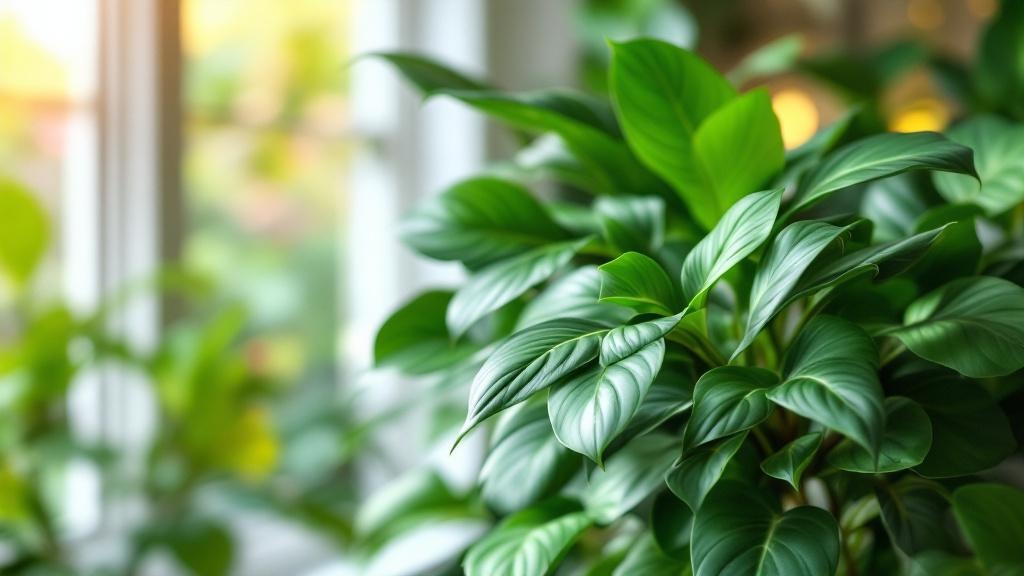
Chinese Evergreen, or Aglaonema, is one of the most forgiving houseplants for temperate climate homes. Its silvery-green, patterned leaves brighten indoor spaces while asking very little in return. Whether you're a first-time plant parent or a seasoned gardener looking for an easy winner, this tropical native adapts well to indoor conditions. The most common question we hear: how often should I water it?
Watering Your Chinese Evergreen
Water every 7-10 days during the growing season (spring through early autumn), allowing the top 2-3 cm of soil to dry between waterings. In winter, reduce frequency to every 10-14 days as growth slows and evaporation decreases. Overwatering is the leading cause of root rot; always check soil moisture with your finger before watering. Use room-temperature, soft water when possible to avoid mineral buildup on leaves.
Light Requirements for Aglaonema
Chinese Evergreen tolerates low light better than most houseplants, making it perfect for offices and dim corners. However, it thrives in moderate, indirect light — place it near an east or north-facing window in temperate climates. Avoid direct afternoon sun, which can fade the attractive variegated patterns and scorch leaves. If your home is very dark, rotate the plant toward a window every 2-3 weeks to maintain compact growth.
Soil and Repotting Needs
Use a well-draining indoor potting mix enriched with perlite or coconut coir to prevent waterlogging. Repot every 18-24 months in spring (late March to early April in temperate regions) into a container only 2-3 cm larger than the previous one. Ensure the pot has drainage holes; root rot develops quickly in compacted or poorly draining soil. Refresh the top 5 cm of soil annually if repotting isn't needed.
Temperature and Humidity
Maintain temperatures between 18-24°C year-round; Aglaonema struggles below 13°C and may drop leaves. Keep it away from cold drafts, heating vents, and sudden temperature changes common in temperate homes during late autumn and winter. Moderate humidity (40-50%) is ideal, though it tolerates average indoor air. Mist foliage lightly every 2-3 weeks or place the pot on a pebble tray with water to boost humidity without waterlogging roots.
Fertilizing Your Aglaonema
Feed with a balanced, diluted liquid houseplant fertilizer (NPK 10-10-10 or similar) every 4-6 weeks during the growing season (April through September). In winter, reduce feeding to once every 8-10 weeks or stop entirely, as the plant enters dormancy. Overfertilizing causes mineral salt buildup, visible as brown leaf tips; flush the soil with water if this occurs. Organic options like seaweed emulsion or worm compost tea are excellent for gentle feeding.
Common Problems and Solutions
Yellow leaves often indicate overwatering or poor drainage — let soil dry further and repot if necessary. Brown leaf tips suggest low humidity or fluoride in tap water; mist more often and use filtered water. Spider mites can appear in dry indoor air (especially in heated homes during temperate winters); spray leaves with neem oil or insecticidal soap every 7-10 days until resolved. Scale insects occasionally infest Aglaonema; treat with horticultural oil in early spring before they spread.
Frequently asked questions
How often should I water Chinese Evergreen?
Water every 7-10 days during growing season when the top 2-3 cm of soil feels dry, and every 10-14 days in winter. Always check soil moisture before watering to avoid overwatering, which causes root rot.
Can Chinese Evergreen survive in low light?
Yes, Aglaonema is one of the most shade-tolerant houseplants and survives in low-light offices or dim corners. It grows better in moderate, indirect light, but won't die in low conditions like many other tropicals.
Why are my Chinese Evergreen leaves turning yellow?
Yellow leaves usually mean overwatering or poor drainage causing root stress. Reduce watering frequency, check that your pot has drainage holes, and repot into fresh soil if the problem persists. Nutrient deficiency is a less common cause; fertilize every 4-6 weeks during spring and summer.
Is Chinese Evergreen toxic to cats and dogs?
Yes, Aglaonema contains calcium oxalates, which are toxic to cats, dogs, and other pets if ingested. Keep the plant out of reach of pets and wash your hands after handling, as the sap can irritate skin.
What temperature does Chinese Evergreen need?
Maintain temperatures between 18-24°C year-round for best growth. Temperatures below 13°C cause leaf drop and slow growth; avoid cold drafts and heating vents in temperate winter months.