Pumpkin
Growing pumpkins is a classic autumn garden project, but success depends on timing, soil quality, and pest control in temperate zones. Most home gardeners struggle with vine diseases, inconsistent watering, and determining when to harvest. This guide covers everything from planting in late May through frost-hardy harvesting in October, with region-specific advice for central European and UK growing conditions.
Watering Pumpkins for Consistent Growth
Pumpkins need deep, consistent watering during the growing season (June-September), aiming for 2-3 cm per week through rain or irrigation. Water at soil level in early morning to reduce powdery mildew risk, which is common in humid temperate springs. Once fruits develop, maintain even moisture; inconsistent watering causes splitting and poor fruit quality. Reduce watering in late September as fruits mature.
Light Requirements for Healthy Vines
Pumpkins require full sun—at least 6-8 hours of direct sunlight daily—to produce large, well-colored fruits. In UK and Central European gardens, plant where morning sun dries dew quickly, reducing fungal disease. Afternoon shade in extremely hot summers (above 28°C) can prevent sunscald on fruits, but partial shading reduces yield. Orient vines away from shaded garden structures.
Soil Preparation and Spacing
Prepare soil in late April or early May by mixing in 5-10 cm of compost or well-rotted manure; pumpkins are heavy feeders. Plant in mounds spaced 1.5-2 meters apart in full-sun beds. Use freely draining soil with pH 6.0-7.5; waterlogged clay increases root rot risk. Mulch around plants with 5 cm of straw in early June to retain moisture and suppress weeds; keep mulch away from the stem.
Temperature and Humidity Management
Sow seeds or transplants outdoors only after last frost (late May in zones 5-6). Pumpkins thrive at 18-25°C; growth slows below 15°C. High humidity in June-July encourages powdery mildew and downy mildew; ensure airflow by thinning vines and avoiding overhead watering. In September, remove lower leaves to improve air circulation and speed ripening before autumn frost.
Feeding and Nutrient Needs
Apply balanced fertilizer (10-10-10) every 2-3 weeks from vine emergence through July. Switch to potassium-rich feed (e.g., tomato fertilizer, 7-7-14) in August to encourage fruit development and skin hardening. Avoid nitrogen-heavy feeds after July, which promote leaves at the expense of fruit. Compost-rich soil reduces the need for frequent supplemental feeding.
Common Pumpkin Problems and Solutions
Powdery mildew (white coating on leaves) is the most common fungal issue in temperate regions; treat with sulfur spray or neem oil every 10 days starting in early July. Squash bugs and cucumber beetles damage vines and transmit viruses; hand-pick adults in early morning or use row covers until flowering (mid-June). Poor fruit set is usually caused by inconsistent watering or temperatures below 15°C during flowering; ensure consistent moisture and wait for warmer weeks in July.
Frequently asked questions
When should I plant pumpkins in temperate climates?
Sow seeds directly or transplant seedlings in late May, after the last frost date (typically late May in zones 5-6). Soil temperature should be at least 15°C, ideally 18°C or warmer. Earlier planting in cold soil often results in rot; it's better to wait for warmth.
How often should I water pumpkins?
Water deeply 2-3 times per week during the growing season (June-September), aiming for 2-3 cm of water weekly from rain or irrigation. Water at soil level in early morning, not overhead, to prevent fungal disease. Reduce frequency slightly in late September as fruits mature.
Why are my pumpkin leaves turning white and powdery?
This is powdery mildew, very common in humid temperate summers. Spray with sulfur or neem oil every 10 days starting in early July, improve airflow by thinning vines, and avoid overhead watering. Remove lower infected leaves to increase light penetration.
When do I harvest pumpkins and how do I know they are ripe?
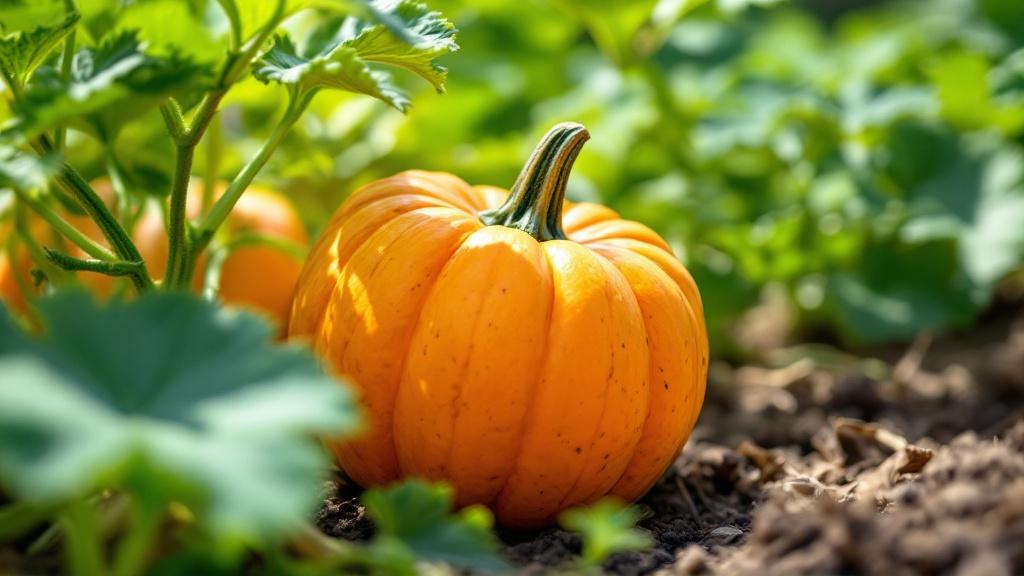
Harvest in late September through mid-October, before the first hard frost. Skin should be hard (thumbnail cannot pierce it), orange or deep yellow depending on variety, with a brown stem. Cut fruits with 10 cm of stem attached and cure in a warm, dry place (15-20°C) for 7-10 days before storage.
Can I grow pumpkins in containers or small gardens?
Smaller varieties like Sugar Pumpkins or Decorative types grow in large containers (20-liter pots) or raised beds, but standard pumpkins need space. Even compact varieties need 1-1.5 meters between plants. If space is very limited, focus on miniature varieties or use trellises to grow vines vertically.
🩺 Common diseases and pests
These problems commonly affect this plant. Click any to see full symptom descriptions, organic and chemical treatment, and prevention.