Weigela
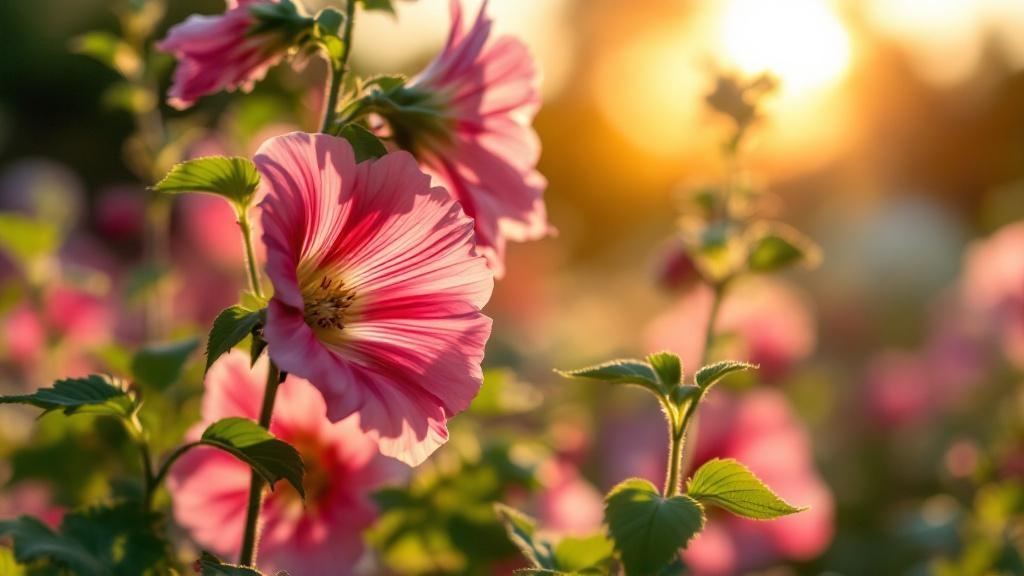
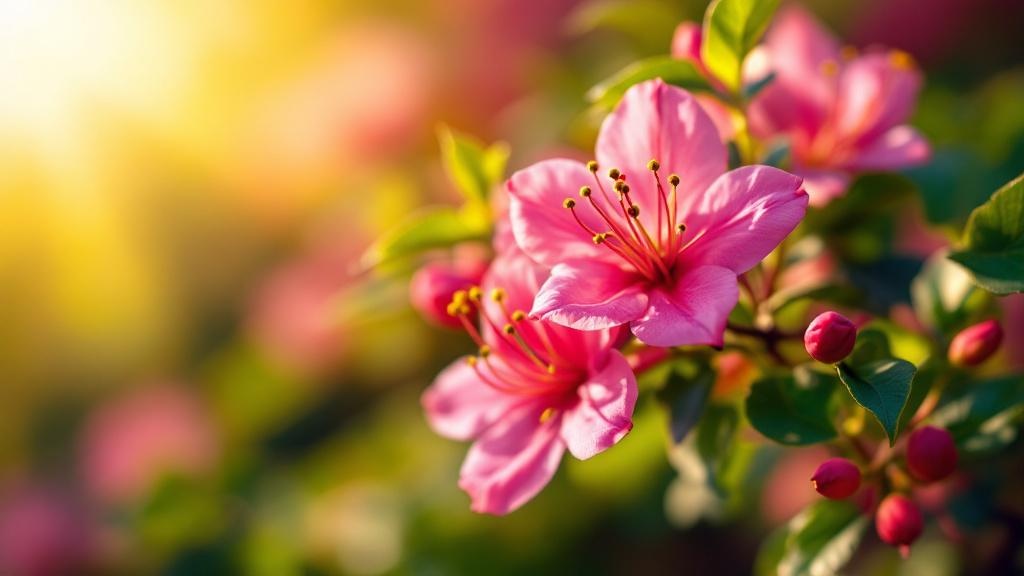
Weigela is one of the most rewarding flowering shrubs for temperate gardens, producing cascades of tubular pink, red, or white flowers from late May through June that attract hummingbirds and bees. The most common question gardeners ask is when and how to prune Weigela without sacrificing next year's blooms. This old-fashioned shrub has made a comeback thanks to compact varieties and stunning foliage colors, making it perfect for borders, hedges, or standalone specimens.
Watering Your Weigela: When and How Much
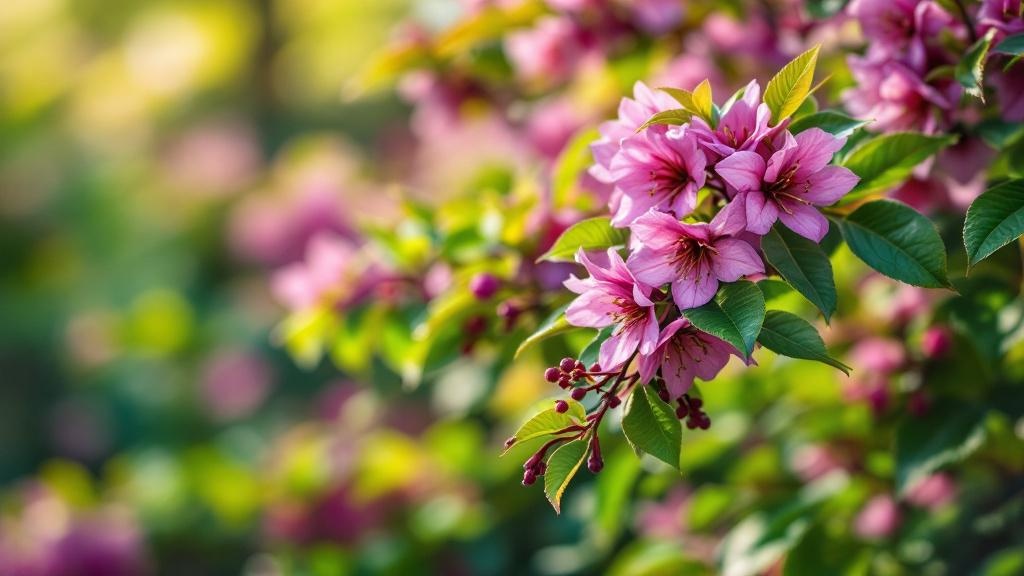
Newly planted Weigela needs about 2-3cm of water weekly during its first growing season to establish deep roots. Once established after 1-2 years, Weigela is remarkably drought-tolerant and typically thrives on rainfall alone in temperate climates. During extended dry spells in July and August, give established shrubs a deep soak every 10-14 days. Always water at the base rather than overhead to prevent fungal issues on foliage.
Light Requirements for Best Flowering
Weigela performs best in full sun, receiving at least 6 hours of direct sunlight daily, which promotes the most abundant flowering. In partial shade with 3-4 hours of sun, the shrub will still grow healthily but produce fewer blooms. Variegated and purple-leaved varieties like Wine and Roses maintain their best foliage color in full sun. In hot summer areas, light afternoon shade can prevent leaf scorch.
Soil and Repotting Needs
Weigela adapts to most soil types but thrives in moderately fertile, well-draining soil with a pH between 5.5 and 7.5. Heavy clay soils should be amended with compost or bark mulch to improve drainage before planting. The best planting time is early spring in March or autumn in October when the shrub is dormant. Apply a 5-7cm layer of organic mulch around the base each spring to retain moisture and suppress weeds.
Temperature and Humidity Preferences
Weigela is exceptionally cold-hardy, tolerating winter temperatures down to minus 30C without protection in zones 4-8. This deciduous shrub requires winter chill to bloom properly, making it ideal for Northern US, UK, and Central European gardens. No special humidity requirements exist as Weigela handles typical temperate conditions well. Late spring frosts after bud break can damage flowers, so avoid planting in frost pockets.
Fertilizing for Healthy Growth and Blooms
Feed Weigela once annually in early April with a balanced slow-release granular fertilizer like 10-10-10 scattered around the drip line. Avoid high-nitrogen fertilizers which promote leafy growth at the expense of flowers. Established shrubs in reasonably fertile soil often need no supplemental feeding at all. A top-dressing of compost each spring provides gentle nutrition and improves soil structure over time.
Common Problems and How to Fix Them
Powdery mildew appears as white dusty patches on leaves during humid summers, especially in crowded plantings with poor air circulation; improve spacing and avoid overhead watering. Aphids sometimes cluster on new growth in May and June; blast them off with water or apply insecticidal soap if infestations are heavy. Leaf spot fungus causes brown patches during wet springs; remove affected leaves and ensure good air flow through annual pruning.
Frequently asked questions
When should I prune my Weigela?
Prune Weigela immediately after flowering finishes in late June or early July, as it blooms on old wood. Cutting up to one-third of the oldest stems to ground level encourages fresh growth and maintains a compact shape. Avoid autumn or winter pruning as this removes next year's flower buds.
Why are my Weigela leaves turning yellow?
Yellow leaves on Weigela usually indicate overwatering, poor drainage, or iron chlorosis in alkaline soil. Check that soil drains well and reduce watering frequency for established plants. If your soil is very alkaline, apply chelated iron or sulfur to lower pH and restore green foliage.
When does Weigela bloom?
Weigela blooms primarily from late May through June in temperate climates, with flowers lasting 3-4 weeks. Some varieties like Sonic Bloom offer repeat flowering throughout summer if spent blooms are removed. The trumpet-shaped flowers appear on growth made the previous year.
Is Weigela toxic to cats and dogs?
No, Weigela is considered non-toxic to cats, dogs, and horses according to major poison control databases. This makes it an excellent choice for gardens where pets roam freely. While eating large amounts of any plant material may cause mild stomach upset, Weigela poses no serious toxicity risk.
How big does a Weigela shrub get?
Standard Weigela varieties reach 1.8-3 meters tall and wide at maturity over 5-10 years. Dwarf cultivars like My Monet and Midnight Wine stay compact at 30-60cm tall, perfect for small gardens or containers. Check the mature size of your specific variety before planting to allow adequate space.