Spindle Tree
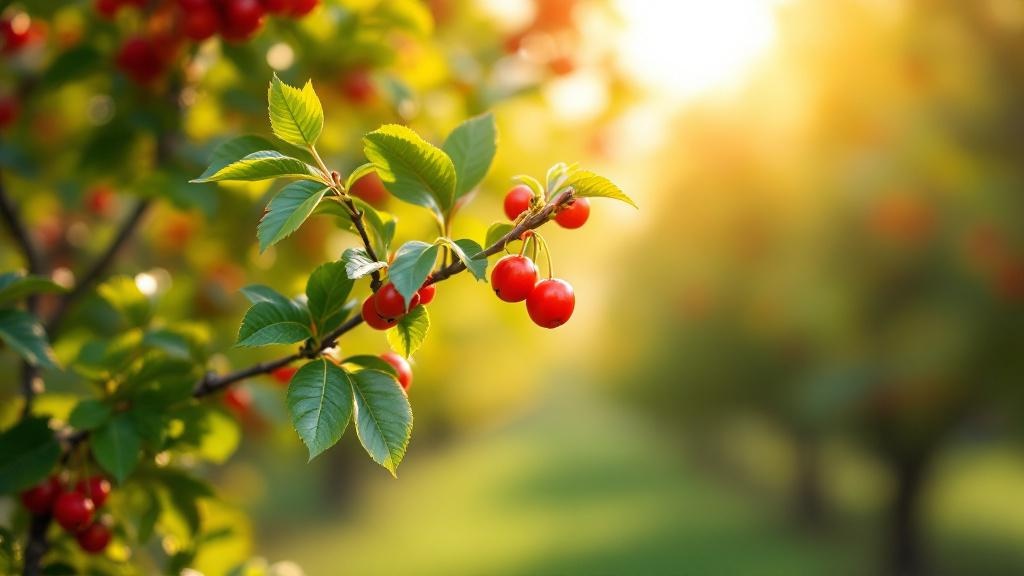
The Spindle Tree is one of autumn's most dramatic performers, producing vivid pink seed capsules that split open to reveal bright orange berries against golden foliage. Native to European hedgerows and woodland edges, this deciduous shrub has been part of the landscape for centuries. The most common question gardeners ask is whether this eye-catching plant is safe to grow around children and pets, given its striking but toxic berries.
Watering Your Spindle Tree Through the Seasons
Water newly planted Spindle Trees weekly during their first growing season from April through September. Once established after 2-3 years, this native shrub is remarkably drought-tolerant and rarely needs supplemental watering except during extended dry spells. In hot summers, deep watering every 2-3 weeks helps maintain berry production. Avoid waterlogged conditions, which can promote root rot.
Light Requirements for Best Autumn Color
Spindle Trees perform best in full sun to partial shade, receiving at least 4-6 hours of direct sunlight daily. More sun exposure intensifies autumn foliage color and increases berry production. In Northern European or Northern US gardens, a south or west-facing position is ideal. The shrub tolerates woodland edge conditions but produces fewer fruits in deep shade.
Soil Preferences and Planting Tips
This adaptable native thrives in most soil types but prefers well-draining, chalky or loamy ground. Plant bare-root specimens from November to March when dormant, or container-grown plants any time the ground is not frozen. Dig a hole twice the root ball width and add organic matter to heavy clay soils. Mulch around the base in autumn to protect roots and retain moisture.
Temperature and Hardiness in Temperate Climates
Spindle Trees are fully hardy throughout zones 5-8, tolerating winter temperatures down to minus 20 degrees Celsius without protection. They thrive in the variable conditions of Central Europe, UK, and Northern US gardens. No winter protection is needed for established plants. Late spring frosts rarely damage this native species, as it leafs out relatively late in April.
Feeding Your Spindle Tree for Vigorous Growth
Apply a balanced slow-release fertilizer in early April as new growth begins. A single annual feeding is sufficient for established shrubs in reasonably fertile soil. For shrubs in poor soil, a second application in June supports berry development. Avoid high-nitrogen feeds after midsummer, as soft late growth is vulnerable to early autumn frosts.
Common Problems: Pests and Diseases to Watch For
Euonymus caterpillars can defoliate plants in late spring and summer; inspect regularly from May and remove by hand or treat with an appropriate caterpillar control. Powdery mildew may appear in humid conditions or crowded plantings; improve air circulation by thinning branches in late winter. Aphids occasionally colonize new growth in spring; a strong water spray or insecticidal soap controls light infestations.
Frequently asked questions
Is Spindle Tree poisonous to dogs and cats?
Yes, all parts of the Spindle Tree are toxic to dogs, cats, and humans. The bright berries are particularly dangerous and can cause vomiting, diarrhea, and cardiac issues if ingested. Plant away from areas where pets play unsupervised.
When does the Spindle Tree produce berries?
Spindle Trees produce their distinctive pink and orange berries from September through November. The fruits develop after inconspicuous greenish-yellow flowers bloom in May and June. Berry production is best on plants receiving full sun.
How fast does Euonymus europaeus grow?
Spindle Trees grow at a moderate rate of 30-45 centimeters per year under good conditions. They typically reach their mature height of 3-6 meters within 10-15 years. Growth is fastest in fertile, well-drained soil with adequate moisture.
Why are my Spindle Tree leaves turning yellow in summer?
Summer yellowing usually indicates overwatering or poor drainage causing root stress. Check that soil drains freely and reduce watering frequency. Other causes include nutrient deficiency in poor soils or vine weevil damage to roots.
Can I grow Spindle Tree in a container?
Spindle Trees can grow in large containers of at least 50 liters for several years. Use quality potting mix with added grit for drainage and water regularly, as containers dry faster. Expect smaller mature size and reduced berry production compared to ground planting.