Boston Fern
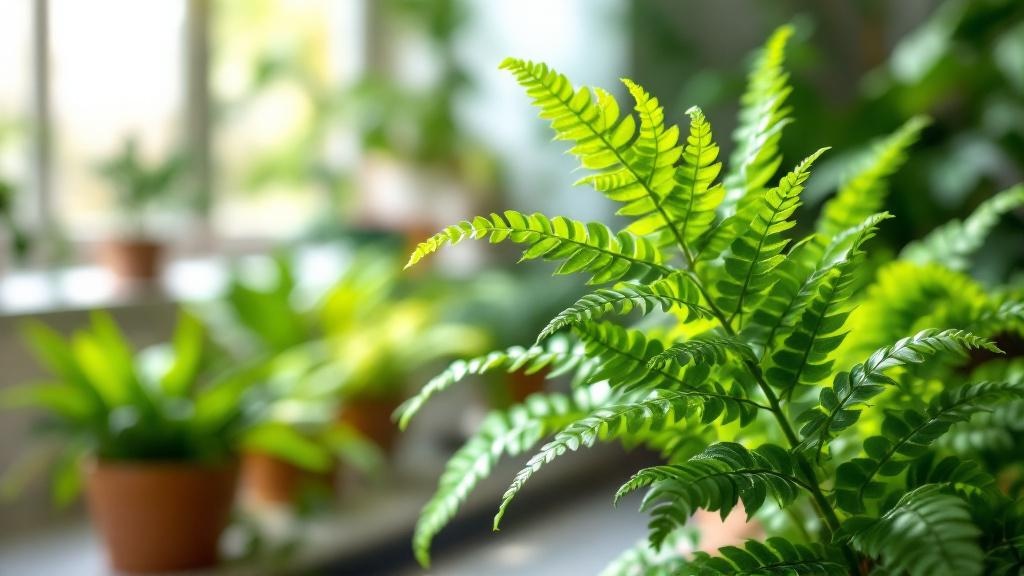
Boston ferns are prized for their feathery, cascading fronds and air-purifying qualities, making them popular choices for hanging baskets and shelving in homes across temperate regions. The most common struggle gardeners face is managing the plant's humidity and watering needs—underwatering causes fronds to brown and crisp, while overwatering invites root rot. With the right conditions and a consistent routine, your Boston fern will reward you with vibrant, healthy growth.
Watering Boston Ferns
Boston ferns prefer consistently moist soil but not waterlogged conditions. Water every 5–7 days during the growing season (spring and summer), reducing to every 10–14 days in autumn and winter when growth slows. Always check the top 2 cm of soil with your finger; if it feels dry, water thoroughly until it drains from the base. Using rainwater or distilled water is ideal, as chlorine in tap water can sometimes cause leaf browning.
Light Requirements for Boston Ferns
Boston ferns need bright, indirect light to thrive. Place them near an east- or north-facing window where they receive filtered daylight without direct sun exposure. Direct sunlight scorches the delicate fronds and causes them to turn pale or brown. In winter months (November–February in temperate regions), they tolerate slightly lower light levels but will still benefit from being positioned close to a bright window.
Soil and Repotting
Use a light, peat-based potting mix that retains moisture while still draining well; a blend of peat moss, bark, and perlite works excellently. Repot your Boston fern every 12–18 months in spring when it outgrows its container and roots begin circling the soil. Choose a pot only 2–3 cm larger in diameter than the current one, as ferns dislike being overpotted. Ensure the pot has drainage holes to prevent waterlogging.
Temperature and Humidity
Boston ferns thrive in temperatures between 16–24°C, making them ideal for typical home conditions in temperate climates. They despise cold drafts and sudden temperature swings, so keep them away from heaters and open windows during winter. High humidity (50–60% or higher) is essential for preventing brown, crispy fronds. Mist the foliage every 2–3 days, place the pot on a pebble tray filled with water, or group plants together to increase ambient moisture.
Fertilizing Your Boston Fern
Feed your Boston fern with a balanced, water-soluble fertilizer (10–10–10) every 4 weeks during the growing season (March–September). Dilute to half strength to avoid salt buildup, which can damage fronds. Reduce feeding in autumn and stop completely in winter when growth is dormant. If you notice white crusty deposits on soil or leaves, flush the pot with distilled water to remove accumulated fertilizer salts.
Common Problems and Solutions
Yellowing or browning fronds usually result from either underwatering, low humidity, or chlorine exposure—increase misting, check soil moisture regularly, and switch to distilled water. Root rot (dark, mushy stems and foul smell) occurs from overwatering or poor drainage; repot into fresh soil immediately and adjust your watering schedule. Spider mites and mealybugs are common indoor pests in temperate regions; spray affected fronds with insecticidal soap or neem oil every 7–10 days until pests disappear.
Frequently asked questions
How often should I water a Boston fern?
Water your Boston fern every 5–7 days during spring and summer, keeping the soil consistently moist but not waterlogged. In autumn and winter, reduce watering to every 10–14 days as growth slows. Always check the top 2 cm of soil before watering; if it feels dry, water thoroughly.
Why are my Boston fern fronds turning brown and crispy?
Brown, crispy fronds are usually caused by low humidity, underwatering, or chlorine in tap water. Increase misting to every 2–3 days, switch to distilled or rainwater, and ensure the soil stays consistently moist. Placing the pot on a pebble tray filled with water also boosts humidity around the plant.
Can Boston ferns tolerate direct sunlight?
No, Boston ferns prefer bright, indirect light and should not be exposed to direct sun. Direct sunlight damages their delicate fronds, causing them to turn pale, brown, or bleached. Position your fern near an east- or north-facing window where it receives filtered daylight throughout the day.
Is a Boston fern toxic to cats and dogs?
Boston ferns are completely non-toxic to cats, dogs, and other pets, making them a safe choice for homes with animals. You can display them without worry, though curious pets may nibble on the fronds, which is harmless but may slow the plant's growth.
What should I do if my Boston fern has root rot?
If the stems are dark and mushy and the soil smells foul, root rot has developed and requires immediate action. Remove the plant from its pot, cut away any black, mushy roots with clean scissors, and repot into fresh, well-draining peat-based soil. Reduce watering frequency to allow the soil to dry out slightly more between waterings.