Amur Maple
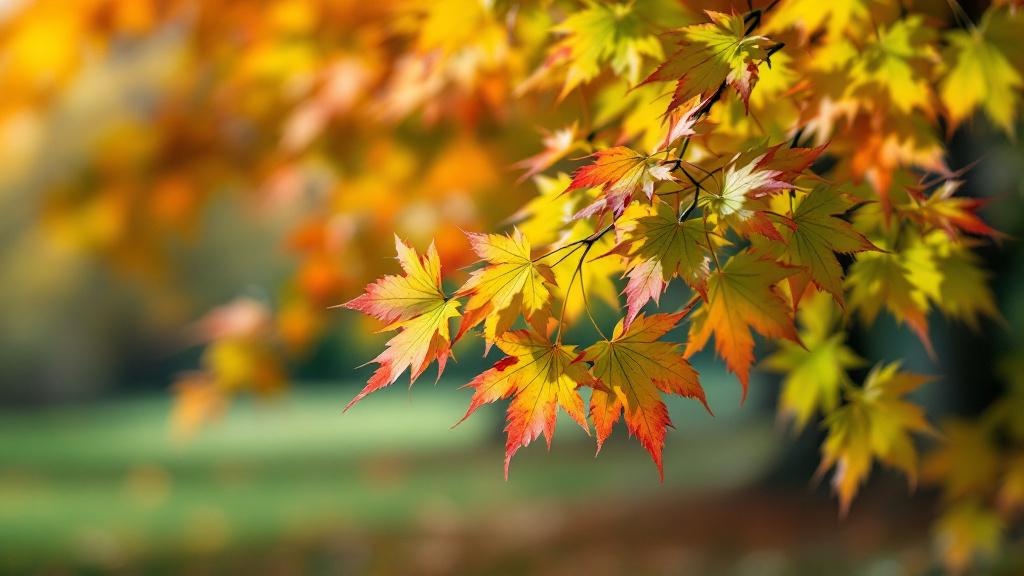
Amur Maple is one of the most cold-tolerant maples available, thriving even in harsh zone 3 winters while putting on a spectacular autumn show in zones 5-8. Home gardeners often search for answers about why their Amur Maple isn't turning red or how to keep it compact. This versatile small tree works beautifully as a specimen, hedge, or multi-stemmed shrub, reaching just 4-6 meters at maturity. Its fragrant spring flowers and winged seeds add year-round interest beyond the famous fall color.
Watering Your Amur Maple Through the Seasons
Water newly planted trees deeply once weekly during the first two growing seasons to establish strong roots. From April through September, provide about 2-3 centimeters of water weekly if rainfall is insufficient. Mature trees are remarkably drought-tolerant and typically only need supplemental watering during extended dry spells in July and August. Reduce watering in October as the tree prepares for dormancy.
Light Requirements for Best Fall Color
Plant your Amur Maple in full sun for the most vibrant red and orange autumn foliage. Trees grown in partial shade (4-6 hours of direct sun) will survive but produce less intense fall color and may develop a leggier shape. In hotter zone 8 regions, afternoon shade helps prevent leaf scorch during heat waves. Morning sun exposure is ideal for drying dew quickly and reducing fungal issues.
Soil Preferences and Transplanting
Amur Maple tolerates a wide range of soils including clay, sand, and slightly alkaline conditions that trouble other maples. For optimal growth, plant in well-draining soil amended with compost. Transplant container-grown specimens in early spring before bud break (late March to mid-April) or in autumn after leaf drop (October to November). The adaptable root system establishes quickly compared to fussier maple species.
Temperature Tolerance and Winter Hardiness
This Siberian native handles extreme cold down to minus 40 degrees Celsius, making it bulletproof in zones 5-8. Summer heat up to 35 degrees Celsius is tolerated when soil moisture is adequate. No winter protection is needed for established trees. Young trees planted in autumn benefit from a 10-centimeter mulch layer around the base in their first winter to protect developing roots from freeze-thaw cycles.
Feeding Schedule for Healthy Growth
Apply a balanced slow-release fertilizer (10-10-10) in early April as buds begin swelling. A second light application in early June supports summer growth. Avoid fertilizing after mid-July, as late-season growth won't harden off before winter and may suffer frost damage. Mature trees in decent soil often need no supplemental feeding. Excessive nitrogen promotes leaf growth at the expense of fall color intensity.
Common Problems and Regional Pests
Aphids frequently colonize new spring growth in May, causing curled leaves and sticky honeydew; a strong water spray or insecticidal soap controls minor infestations. Verticillium wilt can cause branch dieback, showing as wilted leaves on one side of the tree; prune affected branches 15 centimeters below visible damage and sterilize tools between cuts. Leaf scorch appears as brown leaf margins during hot, dry summers and is managed by deep watering rather than frequent shallow irrigation.
Frequently asked questions
How often should I water an Amur Maple?
Water young Amur Maples deeply once weekly during the growing season from April to September. Established trees over three years old are drought-tolerant and only need watering during extended dry periods lasting two weeks or more. Always water at the base rather than overhead to prevent fungal issues.
Why are my Amur Maple leaves not turning red in fall?
Insufficient sunlight is the most common cause of poor fall color in Amur Maples. Trees need at least 6 hours of direct sun daily for the best red pigmentation. Excessive nitrogen fertilizer, unusually warm autumn temperatures, and certain seed-grown specimens with weaker genetics can also result in yellow rather than red fall foliage.
When does Amur Maple bloom?
Amur Maple produces small, fragrant yellowish-white flower clusters in late April to early May, shortly after the leaves emerge. The flowers are modest but sweetly scented and attractive to early pollinators. They develop into the distinctive red-tinged winged seeds called samaras by late summer.
Is Amur Maple toxic to cats and dogs?
No, Amur Maple is not toxic to cats or dogs. Unlike red maple, which poses a risk to horses, Amur Maple has no known toxicity to common household pets. The seeds, leaves, and bark are all considered safe, making it a pet-friendly landscape choice.
How big does an Amur Maple get?
Amur Maple typically reaches 4-6 meters tall with a similar spread at maturity over 15-20 years. It is one of the smallest maples, making it ideal for compact gardens, patios, and urban spaces. Regular pruning can maintain it as a large shrub at 2-3 meters if desired.