Staghorn Fern
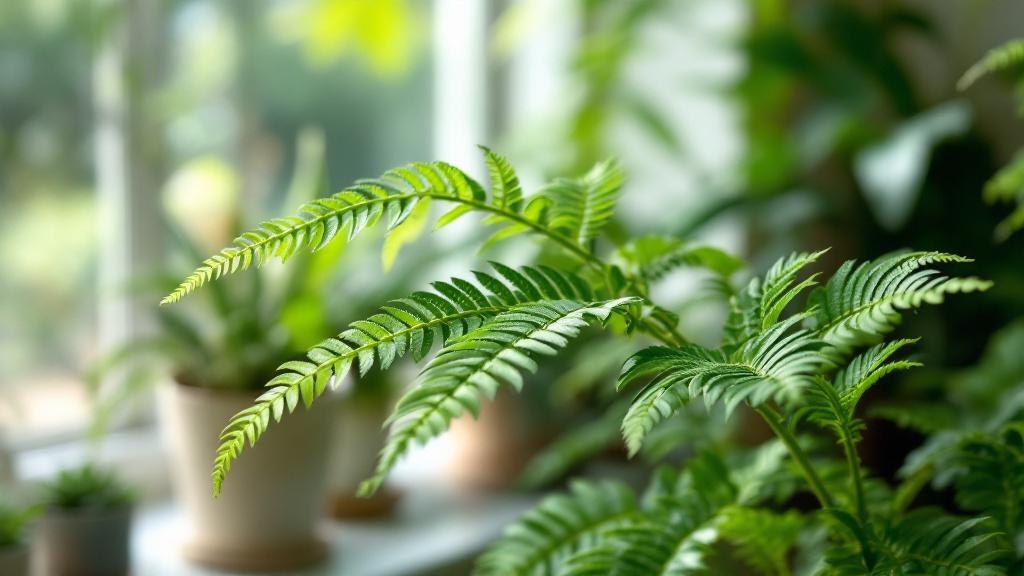
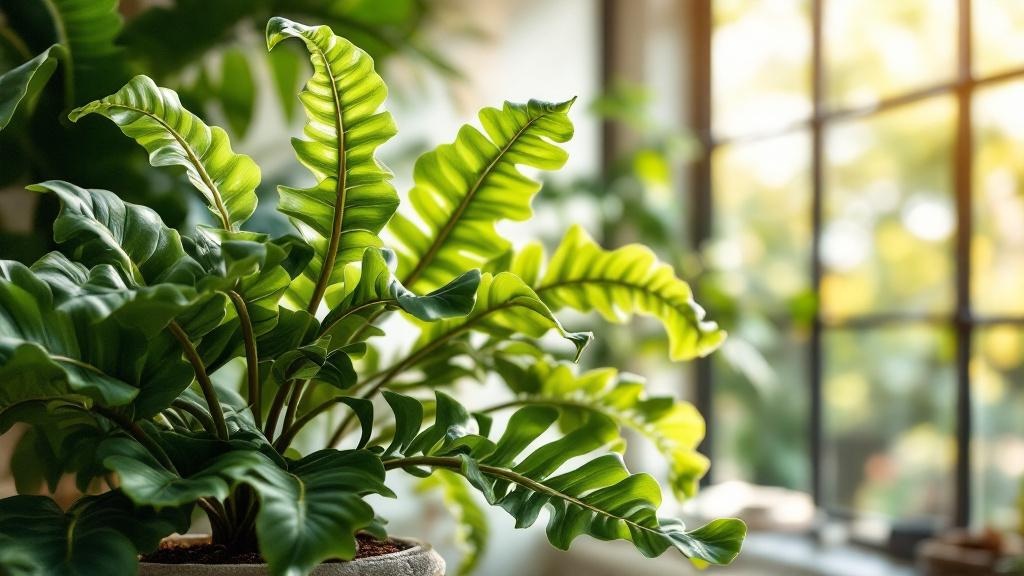
Staghorn Ferns are among the most sculptural houseplants you can grow, with dramatic forked fronds that truly resemble elk antlers. Native to tropical rainforests, they grow on tree trunks rather than in soil, making them perfect candidates for mounted displays. The most common question new owners ask is how to water a mounted Staghorn Fern without rotting its base. With the right technique and environment, these prehistoric-looking plants can live for decades and grow impressively large.
How to Water Your Staghorn Fern Correctly
Water your Staghorn Fern by soaking the root ball in room-temperature water for 10-15 minutes every 7-10 days during spring and summer. In winter months from November to February, reduce watering to every 14-21 days as growth slows. If mounted, you can also mist the basal fronds (the flat shield-like fronds at the base) every few days. Never let water pool in the crown, as this causes rot in the cooler temperatures of temperate homes.
Light Requirements for Healthy Frond Growth
Position your Staghorn Fern in bright, indirect light, mimicking the dappled canopy light of its natural habitat. An east-facing window or a spot 1-2 meters from a south-facing window works well in the UK and Northern Europe. Direct summer sun will scorch the fronds, causing brown patches. During the darker months from October to March, you may move the plant closer to windows or supplement with a grow light for 10-12 hours daily.
Mounting, Soil, and Repotting Your Staghorn
Staghorn Ferns are epiphytes and perform best mounted on cork bark, hardwood boards, or in hanging wire baskets filled with sphagnum moss. When mounting, pack moist sphagnum moss around the root ball and secure with fishing line or plant-safe wire. Remount every 2-3 years in early spring (late March to April) when the plant outgrows its base. Never plant in regular potting soil, as this retains too much moisture and suffocates the roots.
Temperature and Humidity Needs
Maintain temperatures between 15-24°C for optimal growth; Staghorn Ferns suffer below 10°C. Keep them away from cold windowsills in winter and radiators that create dry air pockets. Humidity of 50-70% is ideal, which can be challenging in heated temperate homes during winter. Group with other plants, use a pebble tray beneath, or run a humidifier from October through March when central heating dries the air.
Feeding Your Staghorn Fern
Fertilize monthly from April through September using a balanced liquid fertilizer diluted to half strength. You can apply it during soaking or mist it directly onto the basal fronds, which absorb nutrients. In autumn and winter, stop feeding entirely as the plant enters dormancy. Overfertilizing causes salt buildup in the moss and brown frond tips, so less is more with these slow-growing ferns.
Common Problems and How to Fix Them
Brown or black patches at the base usually indicate overwatering or poor air circulation, especially common in damp UK winters; reduce watering frequency and improve ventilation. Scale insects and mealybugs occasionally appear, hiding in the crevices of fronds; wipe them off with a cotton swab dipped in rubbing alcohol. Yellowing or pale fronds suggest too much direct sun or nutrient deficiency; move to lower light and resume feeding in growing season.
Frequently asked questions
How often should I water a Staghorn Fern?
Water your Staghorn Fern every 7-10 days in spring and summer by soaking the root ball for 10-15 minutes. In winter, extend this to every 2-3 weeks as the plant grows more slowly. Always let the moss dry slightly between waterings to prevent root rot.
Why are my Staghorn Fern leaves turning brown?
Brown leaves typically result from underwatering, low humidity, or too much direct sunlight. Check if the moss feels completely dry and crispy, which indicates the plant needs more frequent soaking. Brown tips specifically often point to dry air from central heating during winter months.
Can Staghorn Ferns survive in low light?
Staghorn Ferns tolerate low light but will grow very slowly and produce fewer fronds. For best results, provide bright indirect light for at least 6-8 hours daily. In darker northern climates, supplementing with grow lights from autumn through early spring helps maintain healthy growth.
Is Staghorn Fern toxic to cats?
Staghorn Fern is non-toxic to cats, dogs, and humans according to the ASPCA. This makes it a safe choice for pet-friendly households. However, ingesting large amounts of any plant material may cause mild stomach upset in curious pets.
Should I remove the brown shield fronds on my Staghorn?
Never remove the brown basal shield fronds, as they serve vital functions even after turning brown. These sterile fronds protect the root system, help anchor the plant to its mount, and decompose slowly to provide nutrients. Only remove fronds that are completely detached and falling off naturally.