European Larch
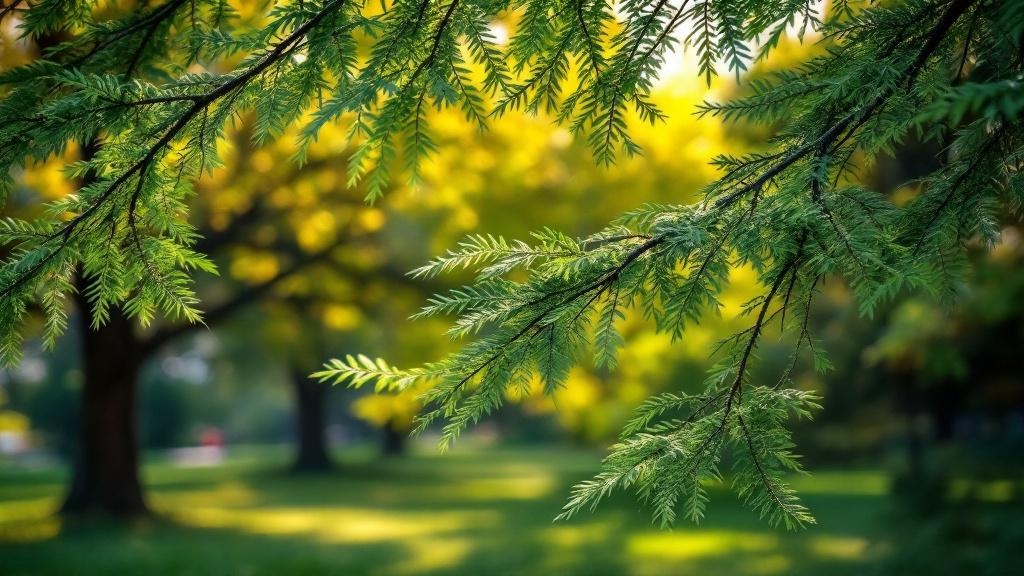
The European Larch is one of the few conifers that sheds its needles each autumn, creating a spectacular golden display before winter. Native to the mountains of Central Europe, it thrives in cooler temperate climates and is remarkably cold-hardy. The most common question gardeners ask is whether this tree can grow in their garden space, as mature specimens reach 25-35 meters tall. While best suited for larger properties, dwarf cultivars make it accessible for smaller gardens.
Watering Your European Larch
Young larches need consistent moisture during their first 2-3 years of establishment. Water deeply once weekly from April through September, providing 10-15 liters per session. Mature trees rarely need supplemental watering except during prolonged summer droughts. Always water at the base rather than wetting the foliage to prevent fungal issues.
Light Requirements for Healthy Growth
European Larch demands full sun and will not tolerate shade. Plant in a location receiving at least 6 hours of direct sunlight daily. In temperate zones, southern or western exposures work best. Insufficient light causes sparse needle growth, weak branching, and increased susceptibility to disease.
Soil and Planting Guidelines
Plant European Larch in well-draining, slightly acidic to neutral soil with a pH of 5.0-7.0. Heavy clay should be amended with coarse sand and organic matter before planting. The best planting time is late October through early March while dormant. Space trees at least 6 meters apart to accommodate their mature spread, and never plant in waterlogged areas.
Temperature and Climate Considerations
This alpine native thrives in cold winters and cool summers, making it ideal for USDA zones 2-6. European Larch actually requires winter chill and struggles in regions with mild winters or hot summers above 30C. In Central Europe and Northern US climates, it performs exceptionally well. The tree is fully hardy to minus 40C and needs no winter protection.
Fertilizing Your Larch Tree
Apply a balanced slow-release fertilizer formulated for conifers in early April as growth begins. Use approximately 100g per meter of tree height, scattered beneath the canopy drip line. Avoid high-nitrogen feeds after July, as this encourages soft growth vulnerable to early frost. Established trees over 10 years old rarely need fertilizing if growing in decent soil.
Common Problems and Solutions
Larch casebearer moth larvae mine into needles during May and June, causing browning and needle drop. Treat infestations with biological sprays containing Bacillus thuringiensis in early May. Larch canker, caused by Lachnellula willkommii fungus, creates sunken lesions on branches and is common in damp, poorly ventilated sites. Prune affected branches 30cm below visible damage and improve air circulation. Honey fungus can attack stressed trees, so maintain good growing conditions as prevention.
Frequently asked questions
How fast does European Larch grow?
European Larch grows 30-60cm per year under good conditions, making it one of the faster-growing conifers. Young trees grow most vigorously, often adding 50cm annually during their first 20 years. Growth slows considerably after the tree reaches about 15 meters in height.
Why is my larch tree losing its needles?
Needle drop in autumn is completely normal since European Larch is deciduous and sheds all needles each year. If needles drop during summer, suspect larch casebearer moth damage or drought stress. Check for tiny caterpillars inside hollowed-out needles and water deeply if soil is dry below 5cm.
When does European Larch change color in autumn?
European Larch turns brilliant gold in October, typically peaking in mid-to-late October in temperate zones. The display lasts 2-3 weeks before needles fall. Cooler autumn temperatures produce more vivid coloration.
Can I grow European Larch in a small garden?
Standard European Larch is not suitable for small gardens due to its eventual 25-35 meter height. However, dwarf cultivars like Larix decidua Puli or Little Bogle stay under 2 meters and work well in compact spaces or containers. These grafted varieties offer the same beautiful autumn color in miniature form.
Is European Larch toxic to pets?
European Larch is non-toxic to cats, dogs, and horses. All parts of the tree are considered safe, making it a pet-friendly choice for family gardens. However, fallen cones and branches can pose choking hazards for curious puppies.