Mexican Fleabane
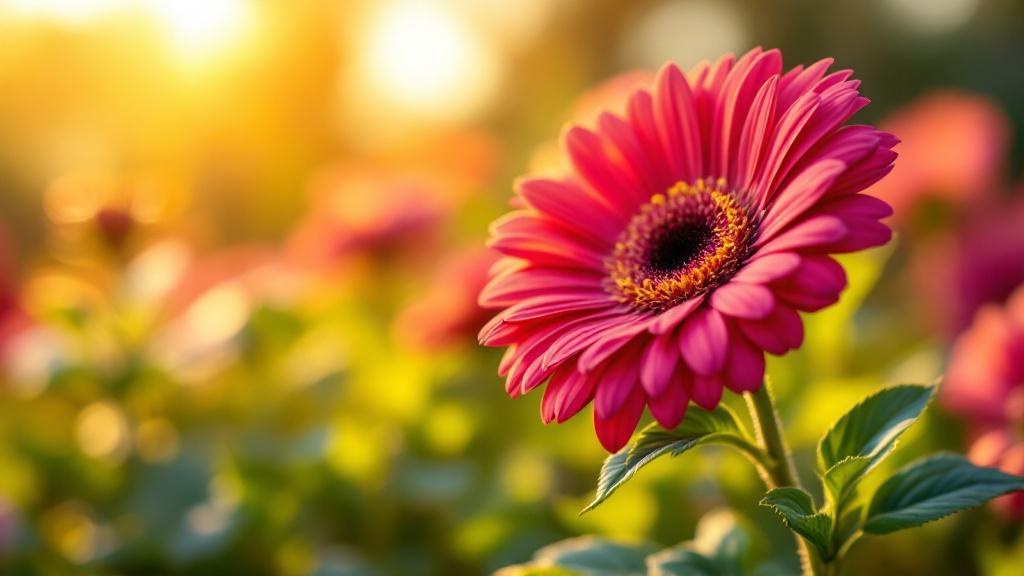
Mexican Fleabane has become a cottage garden favorite for good reason: this tough little perennial produces masses of delicate white and pink daisies from May until the first frosts, self-seeds gently, and thrives in the most unlikely spots. The question gardeners ask most is whether it will survive winter in cooler climates. The answer is yes, with some preparation, making it a reliable choice for USDA zones 5-8.
Watering Mexican Fleabane: Less Is More
Water newly planted Mexican Fleabane every 5-7 days until roots establish, typically 4-6 weeks. Once established, this plant is remarkably drought-tolerant and only needs watering during prolonged dry spells in summer. Overwatering causes root rot faster than underwatering causes stress. In containers, check soil weekly and water when the top 3 centimeters feel dry.
Light Requirements for Abundant Blooms
Mexican Fleabane flowers most prolifically in full sun, needing at least 6 hours of direct light daily. It tolerates partial shade but produces fewer blooms and may become leggy. In hot summers, afternoon shade helps prevent flower fading. South or west-facing walls and rockeries provide ideal conditions in temperate climates.
Soil and Repotting: Embrace Poor Conditions
This plant actually prefers poor, gritty, well-drained soil and struggles in rich, moisture-retentive ground. Add horticultural grit or perlite to heavy clay soils before planting. For containers, use a mix of multipurpose compost with 30 percent perlite. Repot container plants every 2-3 years in early April, or simply take cuttings and start fresh.
Temperature and Overwintering in Temperate Climates
Mexican Fleabane is hardy to around minus 15 Celsius once established, surviving most temperate winters without protection. In zones 5-6 or exposed sites, apply a 5 centimeter mulch of bark or straw around the crown in late November. Container plants are more vulnerable; move them against a sheltered wall or wrap pots in bubble wrap. New growth emerges reliably in late March to April.
Fertilizing: Keep It Light
Mexican Fleabane needs minimal feeding and actually blooms less when overfed. A single application of balanced slow-release fertilizer in mid-April is sufficient for in-ground plants. Container specimens benefit from half-strength liquid feed monthly from May to August. Avoid high-nitrogen feeds which promote foliage over flowers.
Common Problems and How to Fix Them
Powdery mildew appears as white patches on leaves during humid summers; improve air circulation and avoid overhead watering. Aphids occasionally cluster on new growth in late spring; blast off with water or apply insecticidal soap. Root rot from waterlogged soil causes wilting despite moist conditions; improve drainage or relocate to a drier spot. Slugs may nibble young plants in spring; use organic slug pellets or copper tape around containers.
Frequently asked questions
How often should I water Mexican Fleabane?
Water established Mexican Fleabane only during prolonged dry periods, roughly every 2-3 weeks in summer drought. Newly planted specimens need weekly watering for the first 4-6 weeks. This plant is drought-tolerant and suffers more from overwatering than underwatering.
Why are my Mexican Fleabane leaves turning yellow?
Yellow leaves typically indicate overwatering or poor drainage causing root stress. Check that soil drains freely and reduce watering frequency. In autumn, some lower leaf yellowing is natural as the plant prepares for dormancy.
When does Mexican Fleabane bloom?
Mexican Fleabane blooms from late May through October in temperate climates, with peak flowering in June and July. Deadheading spent flowers encourages continuous blooming. The small daisies open white and gradually fade to pink, creating a two-tone effect.
Is Mexican Fleabane toxic to cats?
No, Mexican Fleabane is not toxic to cats or dogs. This plant is considered safe around pets and is a good choice for gardens where animals roam freely. However, eating large quantities of any plant material may cause mild stomach upset.
Does Mexican Fleabane come back every year?
Yes, Mexican Fleabane is a reliable perennial in USDA zones 6-8 and often survives zone 5 winters with mulch protection. It dies back to the crown in winter and regrows in spring. Even if the parent plant dies in severe winters, self-sown seedlings usually appear nearby.