Anise
Anise has been cultivated for thousands of years for its distinctively sweet, licorice-scented seeds used in baking, liqueurs, and traditional remedies. The most common question gardeners ask is whether anise can thrive in cooler temperate climates, and the answer is yes, with proper timing and placement. This Mediterranean native needs a long, warm growing season, making early indoor sowing essential in zones 5-8. Once established, anise is relatively low-maintenance and makes an excellent companion plant for coriander and other umbellifers.
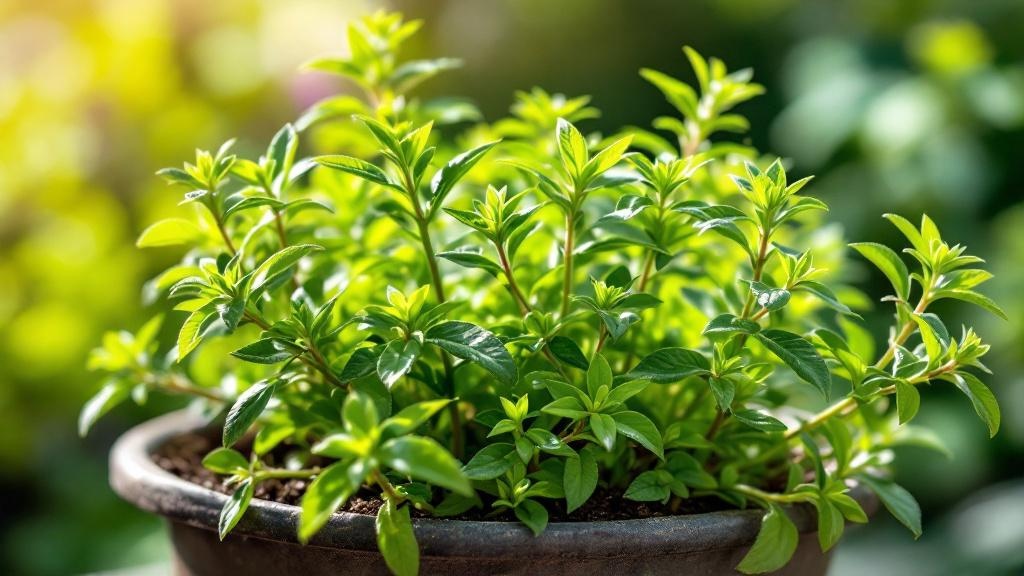
Watering Your Anise: Finding the Right Balance
Anise prefers consistently moist but never waterlogged soil. Water deeply once every 5-7 days during the growing season, increasing to every 3-4 days during hot, dry spells in July and August. Always check the top 2-3 cm of soil before watering; if it feels dry, water thoroughly. Reduce watering once seed heads begin to mature in late summer to prevent fungal issues.
Light Requirements for Healthy Anise Growth
Anise demands full sun exposure of at least 6-8 hours daily to develop its characteristic essential oils and produce abundant seeds. In temperate climates, choose the warmest, most sheltered spot in your garden, ideally a south-facing position. Insufficient light results in leggy, weak plants with poor flavour development and minimal seed production.
Soil and Repotting Needs for Anise
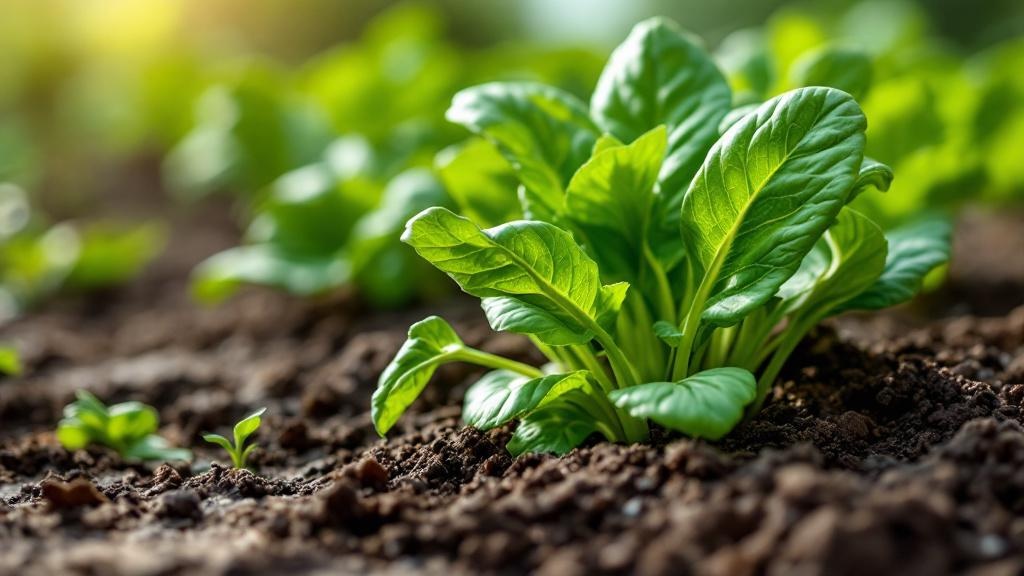
Plant anise in light, well-draining soil with a pH between 6.0 and 7.5. Heavy clay soils should be amended with sand and compost before planting. Anise develops a long taproot and resents transplanting, so direct sow outdoors in mid-April to early May once soil temperatures reach 15°C, or start indoors in biodegradable pots in late March to avoid root disturbance.
Temperature and Humidity Considerations
Anise thrives in warm conditions between 15-25°C and will not tolerate frost. In zones 5-7, wait until all frost risk has passed before transplanting seedlings outdoors, typically mid to late May. This annual completes its lifecycle before autumn frosts arrive. Moderate humidity is acceptable, but ensure good air circulation to prevent powdery mildew in humid summers.
Fertilizing Anise for Optimal Harvest
Anise is a light feeder that performs well in moderately fertile soil without heavy fertilization. Work well-rotted compost into the planting area in early spring before sowing. A single application of balanced organic fertilizer (such as 5-5-5) in early June supports healthy growth. Avoid high-nitrogen fertilizers, which promote leafy growth at the expense of seed production.
Common Problems and How to Solve Them
Aphids frequently colonize anise stems in late spring and early summer; dislodge them with a strong water spray or apply insecticidal soap. Powdery mildew appears as white patches on leaves during humid periods, especially in August; improve air circulation and remove affected foliage promptly. Carrot root fly larvae occasionally attack anise roots in the UK and Northern Europe; use fine mesh covers from May onwards as a preventive measure.
Frequently asked questions
How often should I water anise plants?
Water anise once every 5-7 days during the growing season, keeping soil consistently moist but not soggy. Increase frequency during hot summer periods and reduce watering as seeds mature. Always check soil moisture before watering to prevent overwatering, which can cause root rot.
Why are my anise leaves turning yellow?
Yellow anise leaves typically indicate overwatering or poor drainage causing root stress. Check that your soil drains well and reduce watering frequency. Yellowing can also signal nutrient deficiency in poor soils; apply a balanced organic fertilizer if the plant is otherwise healthy.
When does anise bloom and produce seeds?
Anise blooms in midsummer, typically July in temperate climates, producing delicate white umbel flowers. Seeds mature 4-6 weeks after flowering, usually ready for harvest in late August to September. Harvest when seed heads turn greyish-brown and seeds release easily when rubbed.
Can I grow anise in pots or containers?
Yes, anise grows well in containers at least 25-30 cm deep to accommodate its taproot. Use a light, well-draining potting mix and place the container in full sun. Container-grown anise may need more frequent watering, as pots dry out faster than garden soil.
Is anise toxic to cats and dogs?
No, anise is not toxic to cats or dogs and is generally considered pet-safe. In fact, anise is sometimes used in dog treats as an attractant. However, consuming large quantities of any herb may cause mild digestive upset, so keep plants out of reach of curious pets.