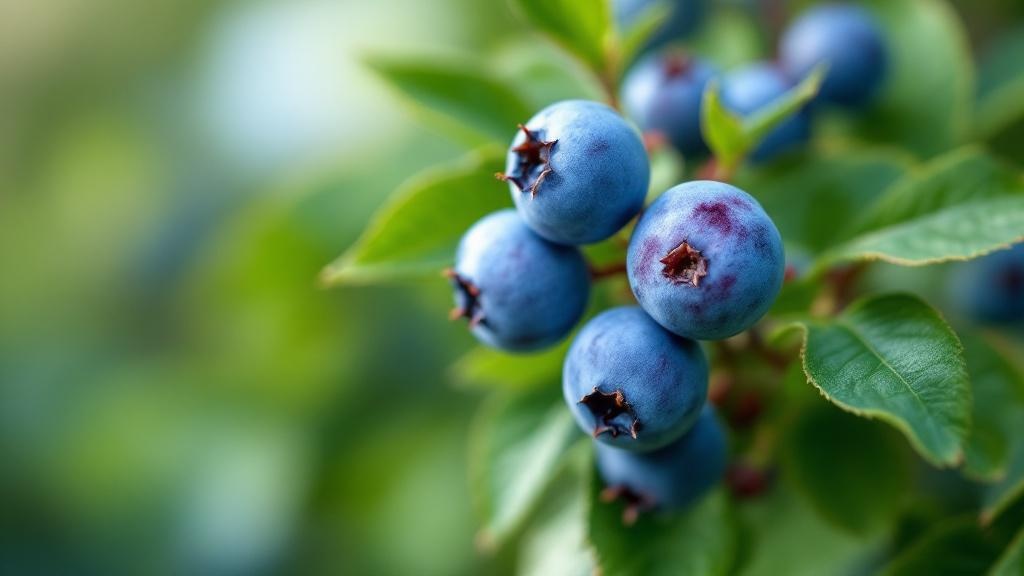
Kiwifruit
Growing your own kiwifruit might seem exotic, but Actinidia deliciosa thrives surprisingly well in temperate climates with proper care. The most common question gardeners ask is whether kiwi can survive cold winters — and the answer is yes, with the right variety selection and winter protection. These vigorous vines reward patient gardeners with abundant harvests of sweet, vitamin-rich fruits that far surpass supermarket quality.
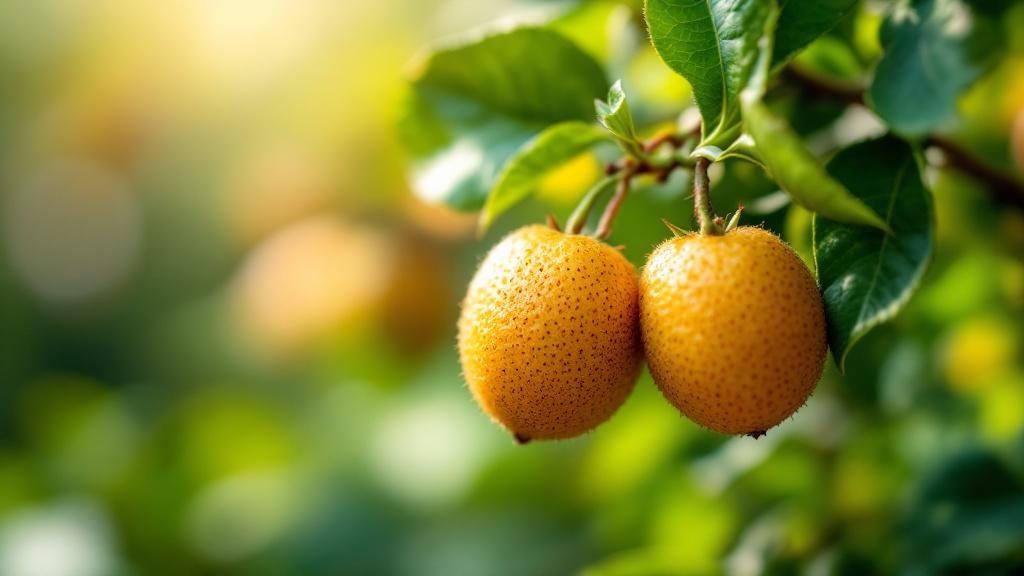
Watering Your Kiwifruit Vine Correctly
Kiwifruit vines need consistent moisture, especially during fruit development from June through September. Water deeply every 7-10 days during summer, providing 25-40 litres per established plant. Reduce watering in autumn to help harden off growth before winter. Mulch heavily with straw or wood chips to retain soil moisture and protect shallow roots.
Light Requirements for Healthy Kiwi Growth
Plant kiwifruit in full sun with at least 6-8 hours of direct light daily for best fruit production. Choose a south or southwest-facing wall or fence for extra warmth and wind protection in temperate regions. Avoid frost pockets where cold air settles in late spring, as emerging shoots are vulnerable to damage in April and May.
Soil Preparation and Repotting Kiwi Plants
Kiwifruit thrives in rich, well-draining soil with a pH between 5.5 and 6.5. Prepare planting holes with generous amounts of compost and well-rotted manure in late March or early April. Container-grown kiwis need repotting every 2-3 years into progressively larger pots with ericaceous compost mixed with perlite. Add a thick layer of organic mulch annually but keep it away from the trunk base.
Temperature Tolerance and Winter Protection
Established kiwifruit vines tolerate temperatures down to minus 12C, but young plants and emerging spring growth are frost-sensitive. Wrap trunks with horticultural fleece in November before hard frosts arrive. New shoots emerging in April are vulnerable to late frosts — have fleece ready to cover plants on cold nights. In zones 5-6, grow against a warm wall and consider cold-hardy cultivars like Jenny or Issai.
Fertilizing Kiwi Vines Through the Season
Feed kiwifruit with a balanced fertilizer (10-10-10) in early April as growth begins, then switch to a high-potassium feed in June to support flowering and fruiting. Apply 200-300 grams of fertilizer per established plant, spread around the drip line. Avoid high-nitrogen feeds after July as this promotes soft growth vulnerable to winter damage. A final potassium-rich feed in late August helps fruits develop sweetness.
Common Kiwifruit Problems and Solutions
Phytophthora root rot is the most serious threat in heavy or waterlogged soils — ensure excellent drainage and never overwater in winter. Vine weevil larvae attack container-grown plants in temperate regions; apply biological nematode treatments in September. Bacterial canker shows as weeping patches on stems, typically after frost damage — prune out affected wood in dry weather and sterilize tools between cuts.
Frequently asked questions
How long does it take for a kiwi plant to produce fruit?
Kiwifruit vines typically begin producing fruit 3-5 years after planting. Seed-grown plants may take 7-9 years or longer and may not fruit reliably. For faster harvests, purchase grafted plants of known fruiting varieties and ensure you have both male and female vines, or choose self-fertile cultivars like Jenny.
Do I need two kiwi plants to get fruit?
Yes, most kiwifruit varieties require both male and female plants for pollination. One male vine can pollinate up to eight females if planted within 10 metres. Self-fertile varieties like Jenny and Issai produce fruit alone but yield more heavily with a pollinator nearby.
Why are my kiwi leaves turning yellow?
Yellow kiwi leaves usually indicate iron chlorosis from alkaline soil, overwatering, or poor drainage. Test your soil pH and amend with sulphur if above 6.5. Check that roots are not sitting in waterlogged soil, especially during winter and early spring when root rot risk is highest.
When should I harvest kiwifruit in the UK?
Harvest kiwifruit in late October to early November before the first hard frosts, when fruits feel slightly soft when gently squeezed. Fruits will be firm and starchy at picking but ripen off the vine over 2-4 weeks at room temperature or stored for months in a cool garage and ripened as needed.
Is kiwifruit toxic to cats or dogs?
No, kiwifruit is completely safe for cats and dogs. Both the fruit and plant foliage are non-toxic to pets. However, the fuzzy skin may cause mild digestive upset if eaten in large quantities, so offer peeled fruit as an occasional treat.