Hoya Pubicalyx
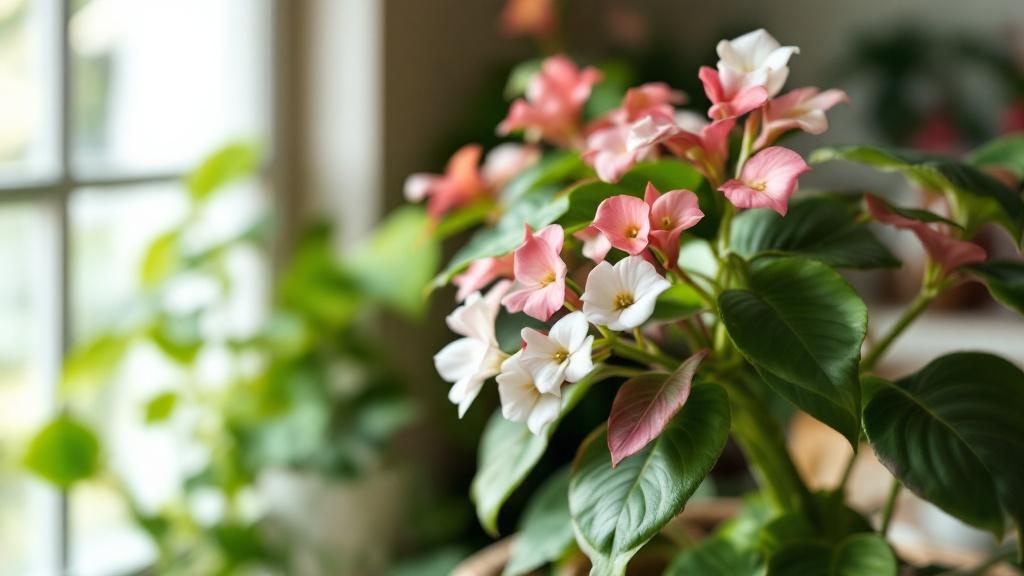
Hoya pubicalyx, commonly called wax plant or red-leaf hoya, is a stunning tropical vine that brings elegance to any indoor space with its deep burgundy-tinged leaves and sweetly scented pink flower clusters. If you're wondering how to keep this beauty blooming indoors in temperate climates without overwatering it, you're in the right place. This guide covers everything from light placement to the seasonal watering shifts that trigger flowering.
Watering Your Hoya Pubicalyx
Hoya pubicalyx prefers the soak-and-dry method: water thoroughly every 10-14 days during spring and summer, then reduce to every 3-4 weeks in autumn and winter. The soil should dry out 1-2 inches below the surface between waterings. Overwatering is the primary killer of hoyas in temperate homes; check soil moisture with your finger before watering to avoid root rot. During grey winter months (November to February), resist the urge to water frequently—this dormancy period actually encourages blooming the following season.
Light Requirements for Flowering
Hoya pubicalyx needs bright, indirect light for at least 6 hours daily to produce its signature fragrant flowers. A south or west-facing window behind a sheer curtain is ideal in spring and summer; in winter, remove curtains to maximize limited daylight in temperate regions. If leaves fade from their rich burgundy to pale green, the plant is signaling insufficient light—move it closer to the window. Avoid direct scorching afternoon sun in July and August, which can bleach the foliage despite the plant's heat tolerance.
Soil and Repotting
Use a well-draining mix of standard potting soil combined with orchid bark or perlite (roughly 60:40 ratio) to prevent waterlogging. Hoya pubicalyx grows slowly and rarely needs repotting more than once every 2-3 years; spring (late March to April) is the best time. When repotting, choose a pot only 1-2 inches larger in diameter—hoyas actually flower better when slightly root-bound. Never use dense, clay-heavy soils; they retain moisture and invite root rot in cool, humid temperate winters.
Temperature and Humidity
Keep Hoya pubicalyx between 65-80°F (18-27°C) for optimal growth; it tolerates typical room temperatures in temperate homes well. Protect from cold drafts below 60°F, especially near windows in winter—this plant is tropical and cannot handle frost. Moderate humidity (40-60%) is beneficial; in dry heated homes during winter months, mist occasionally or use a pebble tray with water. However, avoid soggy soil conditions even when humidity is high, as this combination accelerates root rot.
Feeding and Blooming
Feed Hoya pubicalyx every 4 weeks from April through September using a balanced, diluted liquid fertilizer (half strength) to support flowering. Once blooms appear (usually June onwards), switch to a phosphorus-rich fertilizer to extend the flowering display. Stop feeding entirely from October through March to allow the plant's natural dormancy period. Overfeeding with nitrogen encourages leafy growth at the expense of flowers, so restraint pays off with more fragrant clusters.
Common Problems and Solutions
Yellow leaves and mushy stems indicate root rot from overwatering—repot into fresh, dry soil immediately and trim away blackened roots. Mealybugs and scale insects are the primary pests in temperate homes; inspect new growth regularly and treat with neem oil or insecticidal soap every 7 days if spotted. Lack of blooming usually means insufficient light or winter feeding that disrupts the plant's dormancy trigger—ensure at least 6 hours of bright light daily and skip fertilizer from October to March.
Frequently asked questions
How often should I water Hoya pubicalyx?
Water every 10-14 days during spring and summer, allowing the top 1-2 inches of soil to dry between waterings, then reduce to every 3-4 weeks in autumn and winter. Overwatering is the most common problem, so always check soil moisture with your finger before watering.
Why isn't my Hoya pubicalyx blooming?
Insufficient light is usually the culprit—move your plant to a south or west-facing window with at least 6 hours of bright indirect light daily. Additionally, feeding throughout winter disrupts the dormancy period that triggers flowering; stop fertilizing from October through March to encourage blooms in spring.
Is Hoya pubicalyx toxic to cats and dogs?
No, Hoya pubicalyx is completely non-toxic to cats, dogs, and other household pets. It's a safe choice for homes with curious animals that like to nibble on houseplants.
What temperature does Hoya pubicalyx need?
Keep your plant between 65-80°F (18-27°C) for best results. Protect it from cold drafts and temperatures below 60°F, particularly near windows during winter months in temperate climates, as this tropical plant cannot tolerate frost.
How do I treat mealybugs and scale on Hoya pubicalyx?
Inspect new growth regularly for cottony clusters or brown bumps; if present, treat with neem oil or insecticidal soap diluted according to package directions every 7 days until pests disappear. Isolate the plant from others during treatment and repeat for 3-4 weeks to catch newly hatched insects.