Arugula
Arugula, also known as rocket or rucola, is one of the easiest and most rewarding greens you can grow at home. Its bold, peppery bite elevates salads, pizzas, and sandwiches instantly. The most common question gardeners ask is how to prevent arugula from bolting too quickly. In temperate climates, timing your sowing correctly and understanding this cool-weather crop's preferences will give you continuous harvests from early spring through late autumn.
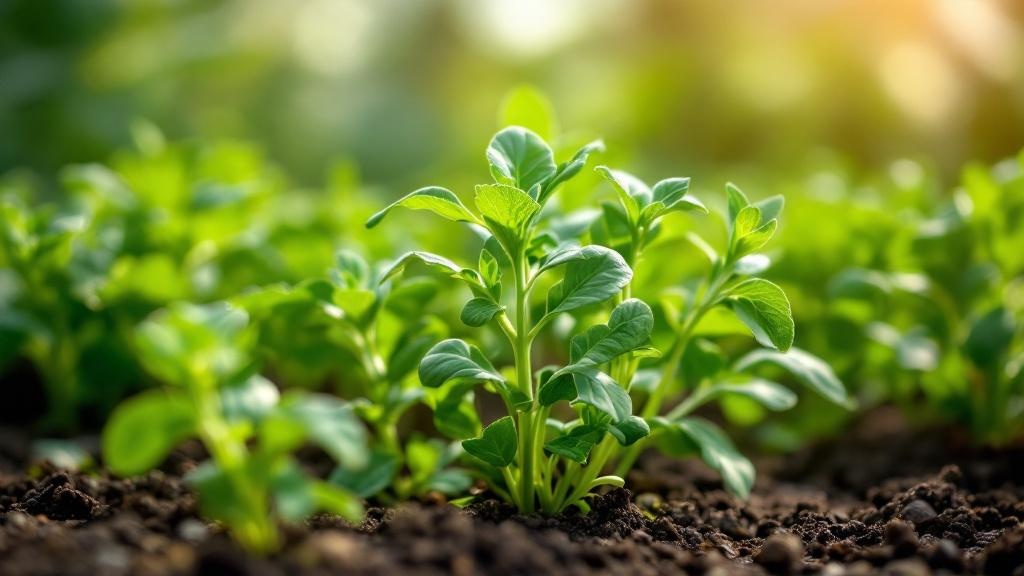
Watering Your Arugula for Tender Leaves
Keep soil consistently moist but never waterlogged, watering every 2-3 days during dry spells. In hot weather, water in the early morning to reduce evaporation and stress. Inconsistent watering causes bitter, tough leaves and encourages premature bolting. Mulching around plants helps retain soil moisture during warmer periods.
Light Requirements for Optimal Growth
Arugula grows best in full sun during cool months (March-May and September-October) but appreciates partial shade during summer. In midsummer, 3-4 hours of morning sun with afternoon shade prevents bolting. Too much intense sunlight combined with heat triggers flowering, ending your harvest prematurely.
Soil Preparation and Succession Planting
Plant arugula in rich, well-draining soil amended with compost. A pH between 6.0-7.0 is ideal. Since arugula matures quickly, sow seeds directly every 2-3 weeks from mid-March through May, then again from late August through September for continuous harvests. Space seeds 2-3 cm apart in rows 15-20 cm apart, thinning seedlings to 10 cm spacing.
Temperature and Growing Season
Arugula thrives in cool weather between 10-18°C and tolerates light frost down to minus 4°C. Begin sowing outdoors in mid-March when soil reaches 5°C. Hot weather above 24°C causes bolting within days. For summer growing, choose bolt-resistant varieties and provide shade cloth or interplant with taller crops.
Fertilizing for Leafy Growth
Arugula is a light feeder that rarely needs supplemental fertilizing if planted in compost-amended soil. If growth seems slow, apply a balanced liquid fertilizer diluted to half strength once, 2-3 weeks after germination. Avoid high-nitrogen feeds late in the season, which can make leaves excessively pungent.
Common Problems and Solutions
Flea beetles create tiny holes in leaves and are most active in warm, dry conditions — cover seedlings with fine mesh or fleece from emergence until plants are established. Slugs and snails attack young plants, especially during wet springs — handpick in the evening or use organic slug pellets. Downy mildew appears as yellow patches during humid weather — ensure good air circulation and water at soil level rather than overhead.
Frequently asked questions
How often should I water arugula?
Water arugula every 2-3 days to keep soil consistently moist. In hot or windy weather, check daily and water if the top centimeter of soil feels dry. Consistent moisture produces tender, mild-flavored leaves.
Why is my arugula bolting so fast?
Arugula bolts quickly due to heat, long daylight hours, or water stress. Temperatures above 24°C and summer's long days trigger flowering within a week. Prevent bolting by growing in spring or autumn, providing afternoon shade in warm weather, and keeping soil consistently moist.
When can I harvest arugula?
You can start harvesting arugula 4-6 weeks after sowing when leaves reach 5-8 cm long. Pick outer leaves first using the cut-and-come-again method, or harvest the entire plant at once. Young leaves have a milder flavor than mature ones.
Is arugula toxic to cats or dogs?
No, arugula is completely safe for cats and dogs. It is non-toxic and some pets even enjoy nibbling on the leaves. However, feed in moderation as large amounts of any new food can cause mild digestive upset.
Can I grow arugula in pots?
Yes, arugula grows excellently in containers at least 15 cm deep with drainage holes. Use quality potting mix and keep soil consistently moist, as containers dry out faster than garden beds. A 30 cm pot can support 4-5 plants for regular harvesting.