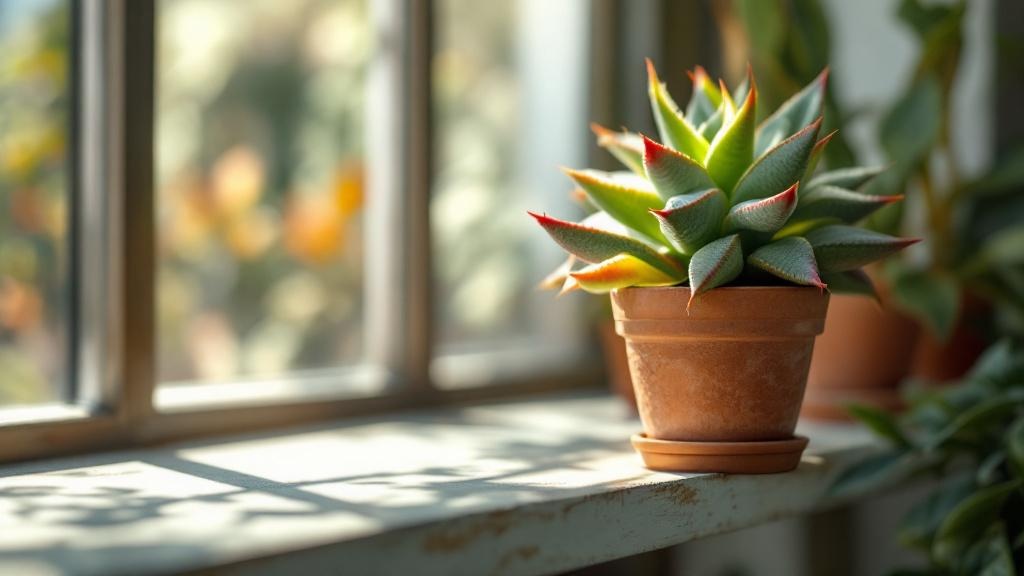
Aster
Asters are the quintessential autumn flower, transforming gardens with their cheerful daisy-like blooms just as summer fades. In temperate climates (USDA zones 5-8), these hardy perennials thrive with basic care and reward you with weeks of color from late August through November. The most common question gardeners ask is how to keep asters blooming reliably and prevent the leggy, sparse growth that sometimes occurs.

Watering Asters
Water asters deeply once a week during the growing season, aiming for about 2-3 cm of water per week. In hot, dry spells during summer, increase to twice weekly to keep soil consistently moist but not waterlogged. Once established in autumn, reduce frequency slightly as cooler temperatures mean less evaporation. Avoid watering foliage directly in evening to reduce fungal disease risk, which can be common in humid temperate regions.
Light Requirements for Asters
Asters perform best in full sun with at least 6 hours of direct sunlight daily. In partial shade (3-4 hours), they will still flower but may become leggy and produce fewer blooms. Avoid planting in deep shade, as poor air circulation and reduced light increase powdery mildew risk—a common problem in Central European autumn weather. Position plants where morning sun helps dry dew, further reducing fungal issues.
Soil and Repotting
Plant asters in well-draining soil with moderate fertility; rich soil can lead to excessive leafy growth at the expense of flowers. If growing in containers, use a standard multipurpose compost mixed with horticultural grit for drainage. Repot container-grown asters each spring before growth resumes, typically in late March. In-ground asters rarely need repotting but benefit from soil amendment with compost every 2-3 years.
Temperature and Humidity
Asters are cold-hardy perennials and actually thrive in cool autumn conditions typical of temperate zones. They tolerate temperatures down to -15°C without protection. High humidity in spring and early summer can encourage powdery mildew, so ensure good air circulation around plants. In zones 5-6, mulch lightly with 5 cm of compost in late November to protect roots through harsh winters.
Fertilizing Asters
Asters need modest feeding; over-fertilizing produces leafy growth with few flowers. Apply a balanced, slow-release fertilizer (NPK 10-10-10) in late March as new growth emerges, and again in mid-July to support autumn blooming. If soil is already fertile, skip feeding entirely. Avoid nitrogen-heavy feeds, which delay flowering. A handful of compost worked into soil each spring is often sufficient for established plants.
Common Problems and Solutions
Powdery mildew is the most common fungal issue in temperate regions, appearing as white coating on leaves in humid conditions; improve air flow and avoid overhead watering. Aphids and spider mites may appear in late summer; spray affected plants with water or use insecticidal soap if severe. Leggy growth results from insufficient light or crowding; ensure full sun exposure and divide clumps every 3 years in spring to rejuvenate plants and reduce disease.
Frequently asked questions
How often should I water asters?
Water asters deeply once a week, providing about 2-3 cm of water per week during the growing season. Increase to twice weekly during hot, dry spells, and reduce frequency in cool autumn months. Soil should be moist but never waterlogged.
Why are my asters leggy and sparse?
Leggy asters usually result from insufficient light or overcrowding. Ensure plants receive at least 6 hours of direct sun daily and divide clumps every 3 years in spring. Pinching back stem tips in early June also encourages bushier, more compact growth.
When do asters bloom in temperate climates?
Asters bloom from late August through November in USDA zones 5-8, with peak flowering in September and October. Cooler autumn temperatures actually extend and intensify blooming, making them perfect for fall color when other plants fade.
How do I prevent powdery mildew on asters?
Improve air circulation by spacing plants 30-45 cm apart and avoiding overhead watering. Prune lower foliage to increase airflow, and water at soil level in early morning. In humid regions, consider preventive applications of sulfur or fungicide in August.
Do asters need to be divided, and when?
Yes, divide asters every 3 years in late March to early April as new growth begins. This rejuvenates plants, reduces disease risk, and gives you more plants. Dig up the clump, separate into sections with roots attached, and replant at the same depth.