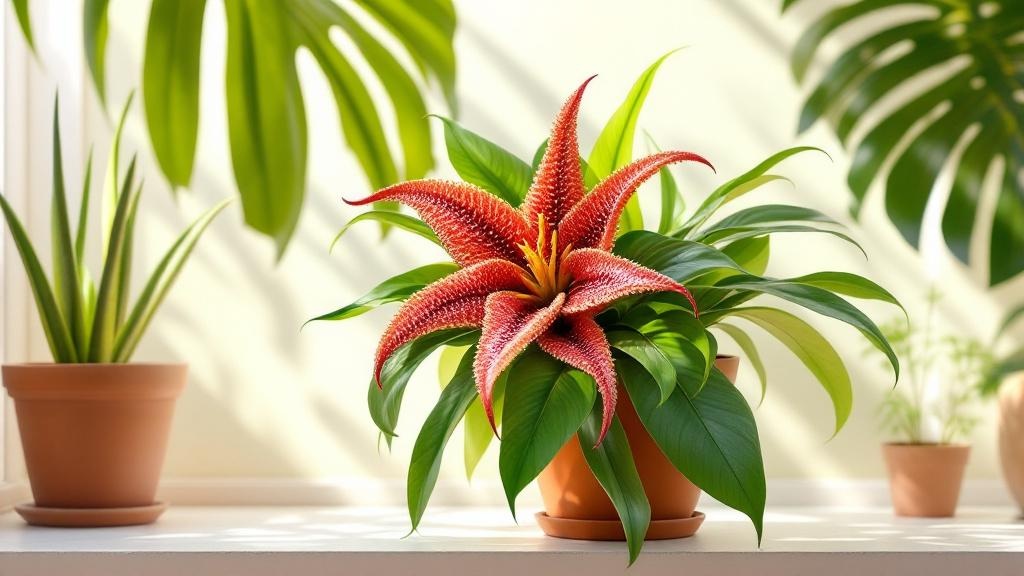
Clementine
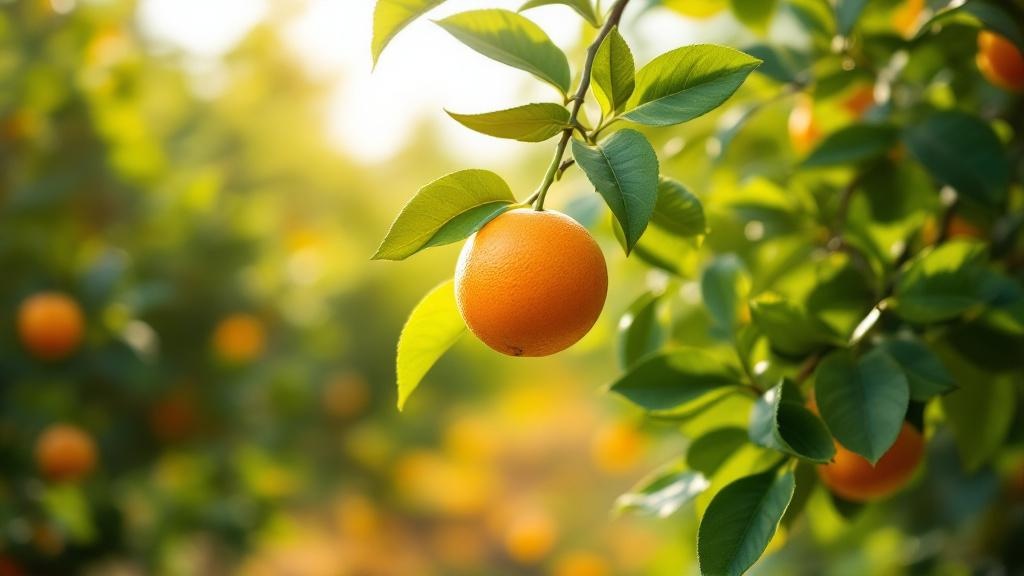
Clementine trees are among the most rewarding citrus to grow in temperate climates, producing those beloved easy-peel Christmas oranges we all love. The most common question gardeners ask is whether they can actually fruit a clementine in zones 5-8, and the answer is yes, with the right overwintering strategy. These compact trees thrive in containers, spending summers outdoors and winters in bright, cool indoor spaces, making them perfect for patios and conservatories across Central Europe, the UK, and the Northern US.
Watering Your Clementine Tree Through the Seasons
Water your clementine deeply when the top 5cm of soil feels dry, typically every 7-10 days in summer and every 2-3 weeks in winter. During hot July and August days, container trees may need watering every 4-5 days. Reduce watering significantly from November through February when growth slows, but never let the rootball dry out completely. Use room-temperature water and ensure excellent drainage to prevent root rot.
Light Requirements for Indoor and Outdoor Growing
Clementines demand at least 6 hours of direct sunlight daily to produce fruit. Place outdoor containers in the sunniest spot on your south-facing patio from mid-May through September. During winter months indoors, position near the brightest window available or supplement with a grow light for 10-12 hours daily. Insufficient light causes leggy growth and prevents flowering.
Soil Mix and Repotting Schedule
Use a well-draining citrus-specific compost or mix standard potting soil with 30% perlite and a handful of horticultural grit. Clementines prefer slightly acidic soil with a pH of 6.0-7.0. Repot every 2-3 years in early April, moving up just one pot size. Choose terracotta containers with large drainage holes, as the porous material helps prevent waterlogging.
Temperature Management and Winter Protection
Clementines tolerate 10-30°C but cannot survive frost. Move container trees indoors in late September before night temperatures drop below 7°C. Overwinter in a bright, cool space at 5-12°C, such as an unheated conservatory, cool greenhouse, or bright garage. Avoid placing near radiators or in warm living rooms, as this prevents the winter dormancy period needed for spring flowering.
Feeding Your Clementine for Maximum Fruit Production
Apply a balanced citrus fertilizer every 2 weeks from April through August during active growth. Switch to a high-potassium feed in late summer to encourage fruit development. Stop fertilizing entirely from October through March when the tree is dormant. Iron deficiency is common in hard water areas, so use rainwater when possible or add iron chelate if leaves yellow between veins.
Common Problems and How to Fix Them
Scale insects appear as brown bumps along stems and undersides of leaves, especially on overwintered trees. Treat with horticultural oil spray in early spring before moving outdoors. Spider mites thrive in dry indoor air during winter, causing stippled, bronzed leaves. Increase humidity and spray undersides with water regularly. Leaf drop often signals overwatering, cold shock, or sudden light changes. Move trees gradually when transitioning between indoors and outdoors over a 2-week period in May and September.
Frequently asked questions
How often should I water a clementine tree?
Water your clementine every 7-10 days during the growing season when the top 5cm of soil is dry. In winter, reduce to every 2-3 weeks as the tree enters dormancy. Always check soil moisture before watering rather than following a strict schedule, as needs vary with temperature and humidity.
Why are my clementine tree leaves turning yellow?
Yellow clementine leaves most commonly indicate overwatering, nutrient deficiency, or cold stress. Check that soil drains freely and roots are not sitting in water. If yellowing appears between leaf veins while veins stay green, apply iron chelate, as this indicates chlorosis common in hard water areas.
When do clementine trees bloom and fruit?
Clementines typically bloom in late spring, from April to May, producing fragrant white flowers after their winter rest period. Fruit develops over summer and autumn, ripening between November and January. Container-grown trees in temperate climates usually begin fruiting at 3-4 years of age with proper care.
Can I grow a clementine tree outdoors in the UK?
You can grow clementine trees outdoors in the UK from mid-May to late September only. They must be overwintered in a frost-free location such as a cool greenhouse, conservatory, or bright porch at 5-12°C. Permanent outdoor growing is not possible in UK winters, as any frost will damage or kill the tree.
Is a clementine tree toxic to cats?
No, clementine trees are not toxic to cats or dogs. The fruit, leaves, and wood are all considered non-toxic by the ASPCA. However, the essential oils in citrus peels can cause mild stomach upset if large amounts are consumed, so discourage pets from chewing on fallen fruit or leaves.