Autumn Joy Sedum
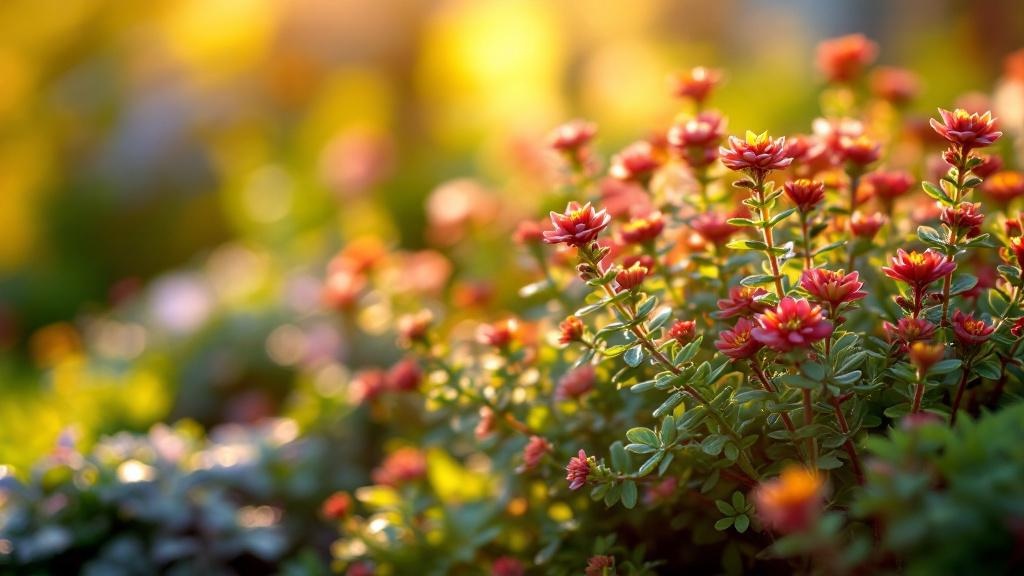
Autumn Joy Sedum is one of the most reliable perennials for late-season color, blooming from August through October when most garden flowers have faded. Home gardeners frequently ask how to prevent this sturdy plant from flopping over mid-summer and how to keep those striking flower heads looking their best through autumn. Native to no wild habitat but bred for garden resilience, this hybrid sedum rewards even neglectful gardeners with spectacular coppery blooms that attract butterflies and bees well into fall.
Watering Your Autumn Joy Sedum
Water newly planted sedums weekly for the first month, then reduce to every 10-14 days. Established plants are highly drought-tolerant and prefer dry conditions over wet feet. In temperate climates, natural rainfall from April through October is often sufficient. During winter dormancy, withhold watering entirely for outdoor plants.
Light Requirements for Healthy Growth
Autumn Joy Sedum thrives in full sun, needing at least 6 hours of direct sunlight daily for compact growth and abundant blooms. Plants grown in partial shade tend to become leggy and may flop over by midsummer. In the UK and Northern Europe, choose the sunniest spot available, as lower light intensity can weaken stems.
Soil and Repotting Needs
Plant in well-draining soil with a sandy or gritty texture. Heavy clay soils cause root rot, so amend with coarse sand or perlite before planting. Autumn Joy rarely needs repotting when grown in the ground but benefits from division every 3-4 years in early April to maintain vigor. Container plants should be repotted in spring using a cactus or succulent mix.
Temperature and Humidity Tolerance
This sedum is exceptionally cold-hardy, surviving winters down to USDA zone 3 (minus 35C). It thrives in the temperature fluctuations of Central Europe and Northern US climates. High humidity is not a concern outdoors, though good air circulation prevents fungal issues. Cut back dead growth in late February before new shoots emerge in March.
Fertilizing Schedule
Autumn Joy Sedum needs minimal feeding. Apply a balanced slow-release fertilizer once in mid-April as new growth appears. Avoid high-nitrogen fertilizers, which cause weak, floppy stems. In poor soils, a light top-dressing of compost in early spring provides sufficient nutrients for the entire growing season.
Common Problems and Solutions
Stem floppiness is the most frequent complaint, caused by too much shade, water, or nitrogen. Prevent this by ensuring full sun and lean soil, or pinch stems back by one-third in late May. Slugs and snails target young spring growth in damp conditions; use iron phosphate pellets around plants in April. Powdery mildew occasionally appears in humid late summers but rarely causes serious damage.
Frequently asked questions
How often should I water Autumn Joy Sedum?
Water established plants every 10-14 days during dry spells, or not at all if rainfall is adequate. This succulent stores water in its fleshy leaves and stems, making it highly drought-tolerant. Overwatering causes root rot faster than underwatering causes stress.
Why is my Autumn Joy Sedum falling over?
Flopping stems are caused by insufficient sunlight, overwatering, or excessive nitrogen fertilizer. Move your plant to a sunnier location or pinch back stems by one-third in late May to encourage bushier, sturdier growth. Staking is a temporary fix but does not address the underlying cause.
When does Autumn Joy Sedum bloom?
Autumn Joy blooms from late August through October in temperate climates. Flower heads emerge green in summer, turn pink in September, then deepen to copper-red by October. Leave spent flower heads standing through winter for architectural interest and wildlife habitat.
Is Autumn Joy Sedum toxic to cats?
No, Autumn Joy Sedum is non-toxic to cats, dogs, and horses according to the ASPCA. This makes it a safe choice for gardens where pets roam freely. However, ingesting large quantities of any plant material may cause mild stomach upset in sensitive animals.
How do I overwinter Autumn Joy Sedum?
Leave the plant in the ground with its dried flower heads intact through winter for visual interest and insect habitat. In late February or early March, cut back dead stems to ground level before new growth emerges. No mulching or protection is needed in zones 5-8.