Weeping Fig
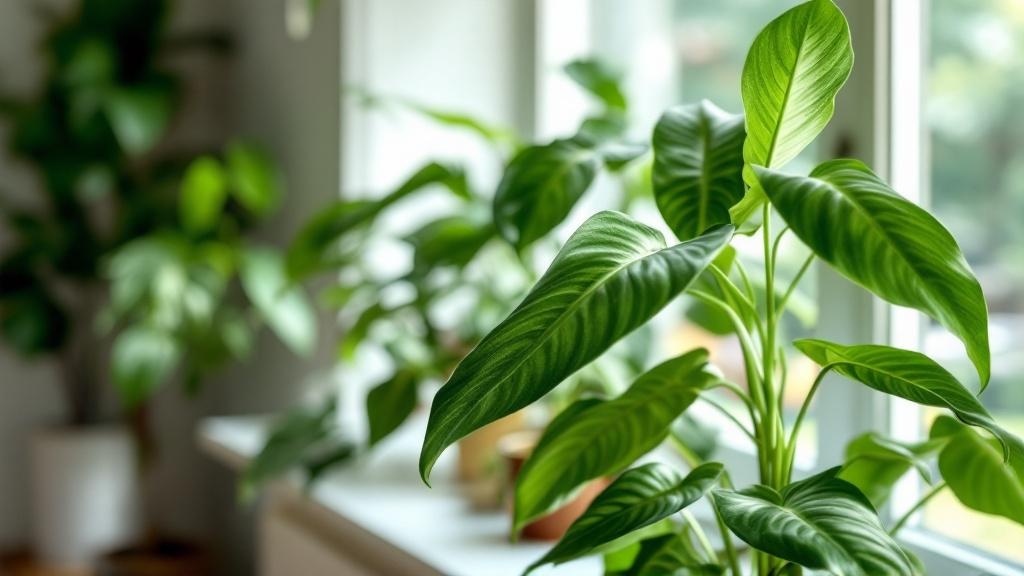
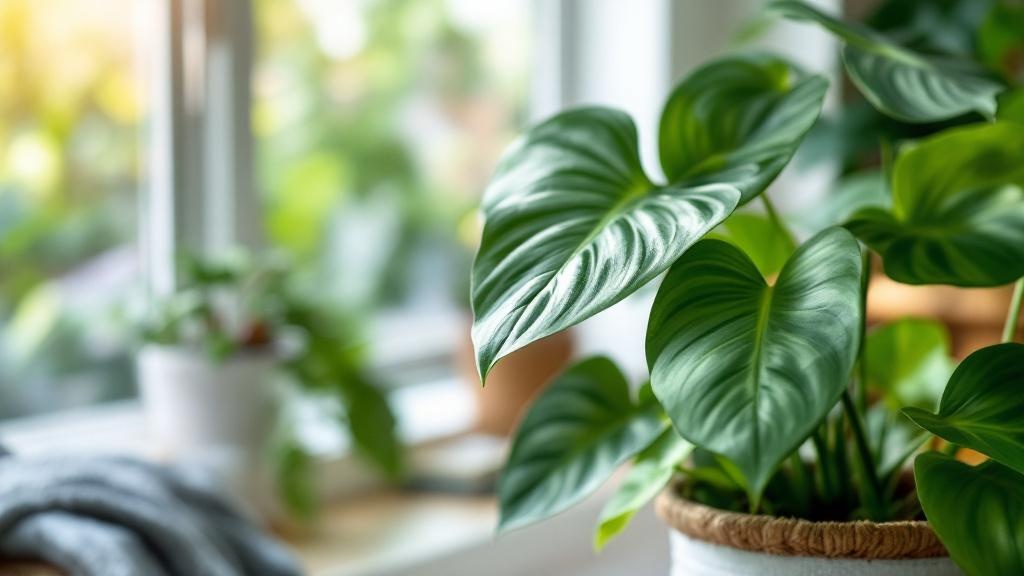
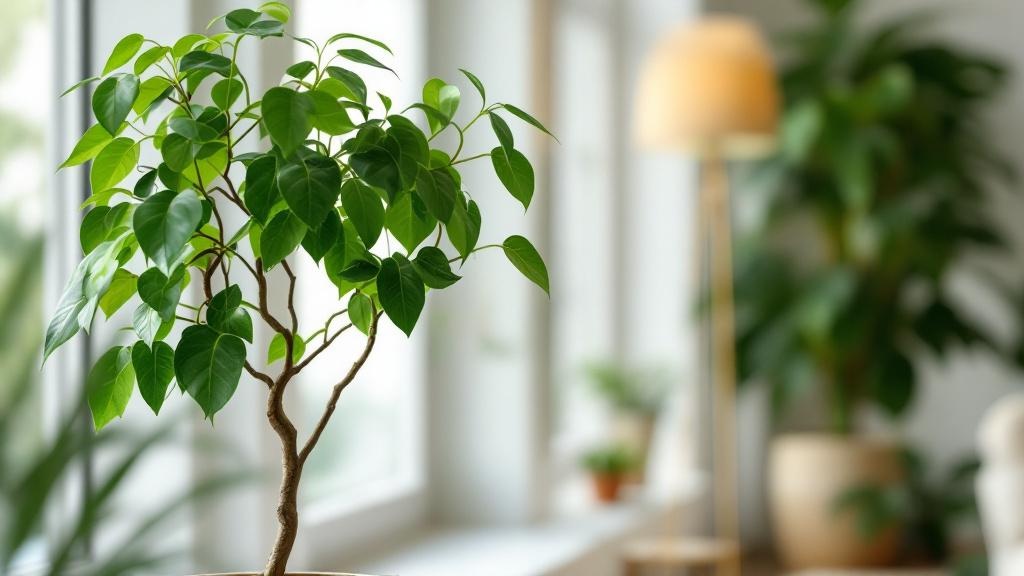
The Weeping Fig has been a beloved houseplant since the Victorian era, prized for its elegant arching branches and glossy green leaves. If you have ever frantically searched why is my Ficus dropping leaves, you are not alone. This is the most common question new owners face, and the answer usually comes down to one thing: Ficus benjamina hates change. Understanding this sensitive nature is the key to keeping your Weeping Fig thriving for decades in your home.
Watering Your Weeping Fig Correctly
Water your Weeping Fig when the top 3-5 cm of soil feels dry, typically every 7-10 days from April through September. Reduce watering to every 14-18 days during the darker months from October to March when growth slows. Always empty the saucer after 30 minutes to prevent root rot. Use room-temperature water and try to water on the same day each week, as consistency helps prevent stress-related leaf drop.
Light Requirements for Healthy Growth
Place your Weeping Fig in bright, indirect light near an east or west-facing window. It tolerates some direct morning sun but scorches in harsh afternoon light, especially through south-facing glass in summer. In winter, you may need to move it closer to the window as daylight decreases significantly in temperate regions from November to February. Avoid moving your Ficus frequently, as each location change can trigger leaf shedding.
Soil and Repotting Guidelines
Use a well-draining potting mix combining two parts peat-free houseplant compost with one part perlite. Repot every 2-3 years in early spring (late March to April) when you see roots emerging from drainage holes. Choose a pot only 2-3 cm larger in diameter to prevent overwatering issues. Mature specimens over 1.5 metres can be top-dressed annually instead of fully repotting.
Temperature and Humidity Needs
Maintain temperatures between 16-24°C year-round. Weeping Figs suffer below 13°C and will drop leaves dramatically if exposed to cold drafts from windows or exterior doors during winter. Keep away from radiators and heating vents which create dry air pockets. Aim for 40-60% humidity by misting twice weekly or placing on a pebble tray, especially important during the central heating season from October to April.
Feeding Your Weeping Fig
Apply a balanced liquid houseplant fertilizer diluted to half strength every 2-3 weeks from April through August. Reduce to monthly feeding in September and pause entirely from October to March when the plant enters its rest period. Over-fertilizing causes salt buildup visible as white crust on soil surface, which can burn roots. If this occurs, flush the soil thoroughly with plain water.
Common Problems and Solutions
Leaf drop is the most frequent issue, usually caused by relocation, drafts, or inconsistent watering. Spider mites thrive in dry indoor air during winter heating season and appear as fine webbing on leaf undersides. Treat by wiping leaves with damp cloth weekly and increasing humidity. Scale insects look like small brown bumps along stems and can be removed with a cotton bud dipped in rubbing alcohol. Yellowing lower leaves often indicate overwatering or poor drainage.
Frequently asked questions
Why is my Weeping Fig dropping leaves?
Leaf drop is almost always a stress response to environmental change. The most common triggers are moving the plant to a new location, temperature fluctuations from drafts or heating, and inconsistent watering schedules. Give your Ficus 4-6 weeks to adjust and maintain steady conditions.
How often should I water a Ficus benjamina?
Water every 7-10 days during the growing season (April to September) and every 14-18 days in winter. Always check that the top few centimetres of soil are dry before watering. Consistent timing matters more than the exact frequency.
Is Weeping Fig toxic to cats?
Yes, Weeping Fig is toxic to cats and dogs. The milky sap contains compounds that cause oral irritation, drooling, vomiting, and difficulty swallowing if ingested. Place your plant out of reach or choose a pet-safe alternative.
Can Weeping Fig survive low light?
Weeping Fig can survive in medium light but will not thrive. In low light conditions, growth becomes leggy, leaves may drop, and the plant becomes more susceptible to pests. For best results, provide bright indirect light for at least 6 hours daily.
How big does a Weeping Fig grow indoors?
Indoor Weeping Figs typically reach 1.8 to 3 metres tall over many years when given adequate light and root space. You can control size through pruning in late spring and by keeping it in a moderately sized pot. Some specimens live for 20 years or more with proper care.