Spearmint
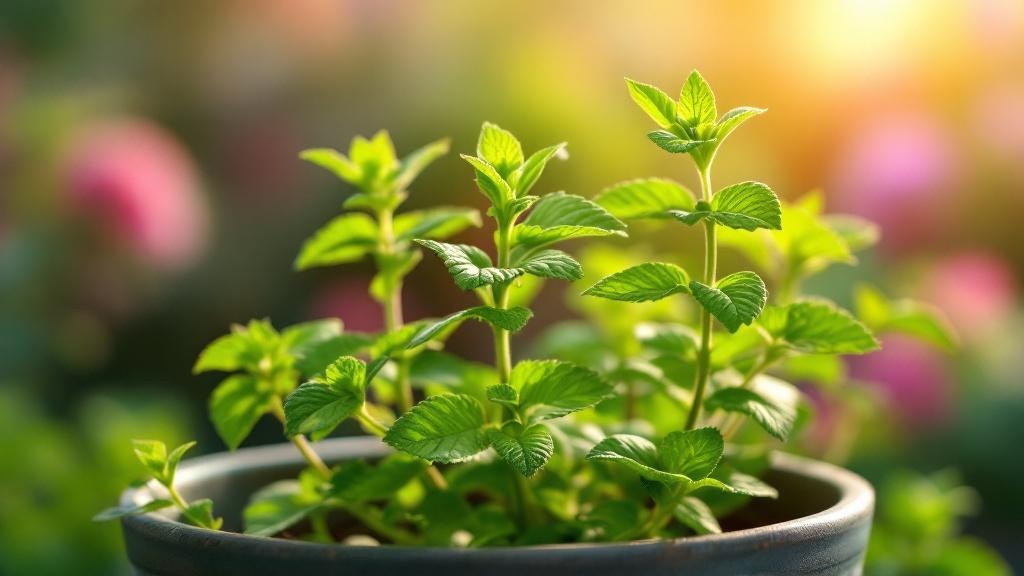
Spearmint is one of the most rewarding herbs you can grow — fragrant, fast-growing, and almost impossible to kill once established. The most common question gardeners ask is how to keep it from taking over the entire garden. This guide covers everything from container growing to overwintering, helping you enjoy fresh spearmint leaves from April through October and beyond with indoor cultivation.
Watering Your Spearmint: Keeping It Happy Without Drowning
Spearmint loves moisture but not waterlogged roots. Water when the top 2cm of soil feels dry — typically every 2-3 days in summer, weekly in cooler months. Container-grown mint dries out faster than garden plants, so check daily during July and August heatwaves. Mulching around outdoor plants helps retain moisture and keeps roots cool.
Light Requirements: Sun, Shade, or Something In Between
Spearmint performs best with 4-6 hours of direct sunlight daily but tolerates partial shade better than most herbs. In hot summers, afternoon shade actually prevents leaf scorch and keeps oils more concentrated. For indoor growing, a south or west-facing windowsill works well, or use a grow light for 12-14 hours if natural light is limited during November through February.
Soil and Repotting: Giving Roots Room to Run
Plant spearmint in rich, loamy soil with good drainage and a slightly acidic to neutral pH of 6.0-7.0. Repot container mint every spring in March or April, moving up one pot size or dividing congested root balls. Always use containers with drainage holes and consider adding perlite to commercial potting mix for better aeration. In garden beds, sink a bottomless pot to contain spreading runners.
Temperature and Humidity: A Hardy Herb for Temperate Climates
Spearmint thrives between 15-25°C but tolerates temperatures down to minus 20°C once established outdoors. Growth slows below 10°C and stops during winter dormancy. Indoor plants prefer 40-50% humidity — mist occasionally during winter when central heating dries the air. Move potted mint outdoors after the last frost date in late April or early May for the strongest summer growth.
Fertilizing: Feeding for Flavor
Apply a balanced liquid fertilizer at half strength every 3-4 weeks from April through August. Over-fertilizing produces lush growth but weaker flavor, so err on the side of less. Top-dress outdoor plants with compost in early spring as growth resumes. Container mint benefits from worm castings mixed into the soil at repotting time for slow-release nutrients throughout the season.
Common Problems: Pests, Diseases, and Leggy Growth
Mint rust appears as orange-brown pustules on leaf undersides during humid summers — remove affected stems immediately and improve air circulation. Aphids cluster on tender new growth in May and June; blast them off with water or apply insecticidal soap. Spider mites attack stressed indoor plants in dry winter conditions; increase humidity and wipe leaves with a damp cloth. Leggy, pale growth indicates insufficient light — move to a brighter location or harvest more frequently to encourage bushy growth.
Frequently asked questions
How often should I water spearmint?
Water spearmint every 2-3 days in summer and weekly in winter, keeping soil consistently moist but not soggy. Check container plants daily during hot spells as they dry out quickly. The leaves will wilt dramatically when thirsty but recover within hours of watering.
Why are my spearmint leaves turning yellow?
Yellow leaves usually indicate overwatering, poor drainage, or nutrient deficiency. Check that the pot has drainage holes and let the soil dry slightly between waterings. If drainage is fine, apply a balanced liquid fertilizer — yellowing older leaves often signal nitrogen shortage.
How do I stop mint from taking over my garden?
Grow spearmint in a sunken container or raised bed with solid barriers extending at least 30cm deep. The underground runners spread aggressively in open soil. Alternatively, grow entirely in pots or harvest ruthlessly every few weeks to control spread and encourage compact growth.
Can spearmint survive winter outdoors?
Yes, spearmint is fully hardy in temperate climates and survives winters down to minus 20°C. The top growth dies back after the first hard frosts in October or November, but roots remain alive underground. Mulch container plants or move them against a sheltered wall to protect roots from freeze-thaw cycles.
Is spearmint toxic to cats and dogs?
Spearmint can cause gastrointestinal upset in cats and dogs if eaten in large amounts. Small nibbles are unlikely to cause serious harm, but symptoms include vomiting and diarrhea. Keep plants out of reach of persistent nibblers, especially curious cats attracted to the scent.