Azalea
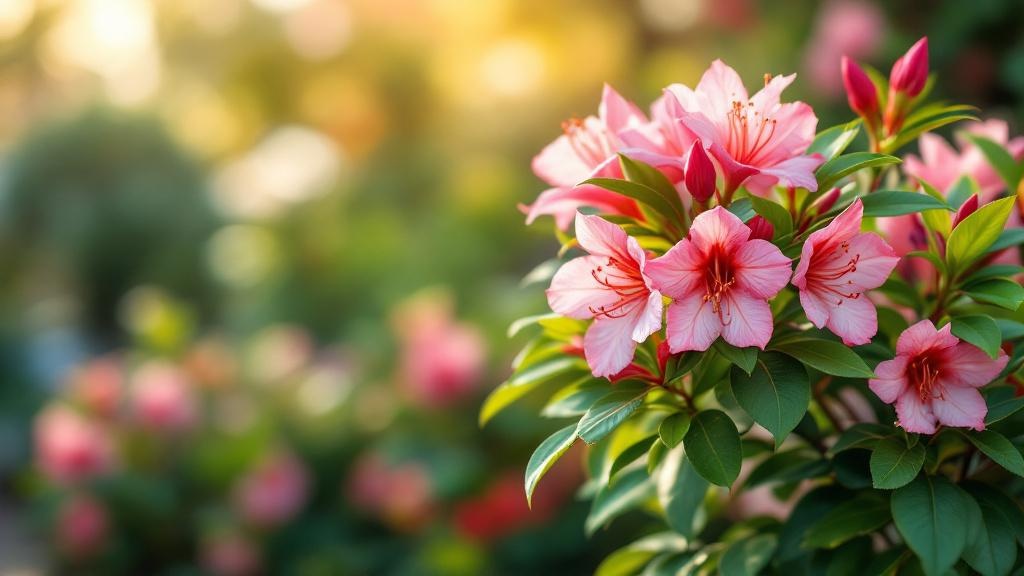
Azaleas are prized for their spectacular spring flowers and evergreen or deciduous foliage, making them cornerstone plants in temperate gardens. The most common care challenge is maintaining the acidic soil pH and proper drainage these acid-loving shrubs demand. With the right conditions, azaleas reward gardeners with decades of reliable blooms and minimal fuss.
Watering Your Azalea
Azaleas prefer consistently moist but never waterlogged soil. Water deeply every 7-10 days during the growing season (March to September), and reduce frequency in winter dormancy. In temperate climates, summer drought stress is the main killer—mulch around the base with 5cm of pine bark or leaf mould to retain moisture. Always use rainwater or soft water if possible, as hard tap water raises soil pH and causes chlorosis.
Light Requirements
Azaleas thrive in partial shade with 3-4 hours of dappled sunlight daily. Full sun in hot summers (July–August) scorches foliage and fades flowers; dappled shade from deciduous trees is ideal. In northern temperate zones (UK, Scandinavia), they tolerate more sun. Avoid deep shade, which reduces flowering and encourages weak growth and fungal issues.
Soil & Repotting
Azaleas are strictly acid-loving and require soil pH 4.5–6.0. Use ericaceous (lime-free) compost for container azaleas and amend garden soil with sulphur or peat alternatives if pH is above 6.5. Repot container plants every 2–3 years in early spring (late February to March) before growth starts. Ensure excellent drainage; add horticultural grit or bark to prevent root rot, especially in wet temperate winters.
Temperature & Humidity
Azaleas are hardy to USDA zone 5 (–29°C) and prefer cool conditions. Deciduous varieties tolerate harsher winters; evergreen types need winter protection in exposed sites. High humidity supports plant health—mist foliage in spring and early summer, especially in dry indoor conditions. Avoid planting near warm walls or in frost pockets; consistent cool conditions reduce bud drop and heat stress.
Feeding Your Azalea
Feed sparingly with an ericaceous or acid-loving plant fertiliser in April and July. Azaleas are not heavy feeders; excessive nitrogen promotes leafy growth at the expense of flowers. Foliar spray with dilute seaweed extract in May supports flowering. Stop feeding by August to harden growth before autumn. Iron chelate applied in spring prevents yellowing caused by nutrient lock-up in high-pH soils.
Common Problems & Solutions
Azalea lace bug and spider mites are common in temperate summers—spray affected leaves with insecticidal soap or neem oil in May and June. Chlorosis (yellow leaves with green veins) signals high soil pH or iron deficiency; amend soil with sulphur or apply iron chelate. Powdery mildew and rust occur in cool, damp springs (April–May); improve airflow, remove affected leaves, and apply sulphur fungicide if severe.
Frequently asked questions
How often should I water my azalea?
Water azaleas every 7-10 days during the growing season to keep soil consistently moist but not waterlogged. In winter (November–February), reduce watering frequency by half, as the plant is dormant and evaporation slows in cool temperate climates.
Why are my azalea leaves turning yellow?
Yellow leaves with green veins signal iron chlorosis, usually caused by soil pH above 6.5. Apply iron chelate spray or liquid in spring, and acidify the soil with sulphur to lower pH below 6.0. Consistently wet soil can also cause yellowing; ensure drainage is excellent.
When do azaleas flower and how long do blooms last?
Most temperate azaleas flower from late March to May, with some varieties blooming into June. Individual flowers last 2-3 weeks; the entire display spans 4-6 weeks. Cooler springs extend bloom time, while warm spells (March heat waves) can shorten flowering.
Can I grow azaleas in pots in temperate climates?
Yes, container azaleas thrive in pots outdoors or in unheated conservatories. Use ericaceous compost, ensure drainage holes, and repot every 2-3 years in early spring. In harsh winters (zone 5-6), move containers to a sheltered spot or wrap pots with hessian for root protection.
Is azalea toxic to pets?
Yes, azaleas are mildly toxic to dogs and cats; all parts contain grayanotoxins that cause vomiting, diarrhoea, and loss of appetite if ingested. Keep potted azaleas out of reach of curious pets, and monitor pets outdoors near planted azaleas.
🩺 Common diseases and pests
These problems commonly affect this plant. Click any to see full symptom descriptions, organic and chemical treatment, and prevention.