Peony
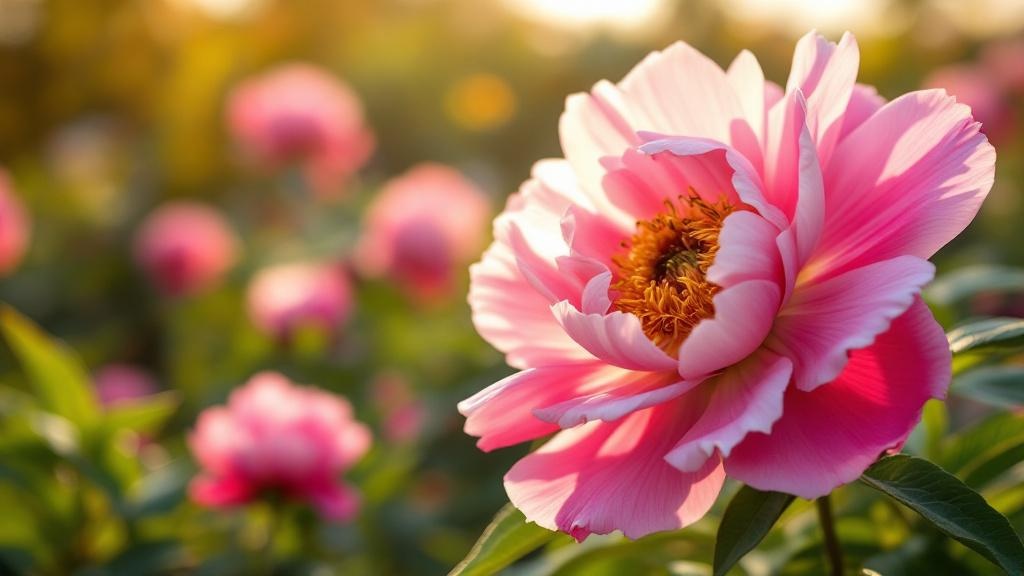
Peonies are among the most rewarding perennials for temperate gardeners—they can live for decades with minimal intervention and produce abundant, fragrant flowers each spring. The main question most gardeners ask is when and how to plant them for the best blooms. Whether you're growing herbaceous or tree peonies, understanding their dormancy cycle and spring emergence will ensure years of reliable flowering.
Watering Peonies
Newly planted peonies need consistent moisture during their first growing season—water deeply 7-10 days in dry spells. Established peonies are remarkably drought-tolerant and rarely need supplemental watering in temperate climates except during extended dry periods in summer. Water at soil level to avoid fungal issues on foliage. In autumn, reduce watering as the plant prepares for dormancy.
Light Requirements
Peonies flower best in full sun—at least 6 hours of direct sunlight daily produces the most blooms. They tolerate light afternoon shade in very hot summers, but too much shade results in fewer flowers and spindly growth. Plant away from large trees that compete for moisture and light. Morning sun and afternoon shade works well in zones 7-8 where heat stress can occur.
Soil & Repotting
Peonies thrive in well-draining, fertile soil rich in organic matter—amend planting holes with compost and aged manure. They do not need repotting as they're garden perennials, but rarely need division. If you must divide (every 10-15 years for overcrowded clumps), do so in early autumn—dig carefully, ensure each division has 3-5 growth buds, and replant immediately at the same depth (buds 2-3 cm below soil surface).
Temperature & Humidity
Peonies are extremely cold-hardy and require winter dormancy to flower reliably—temperatures below -5°C in late autumn trigger the dormancy needed for spring blooms. In temperate climates (zones 5-8), winter chilling is guaranteed. They tolerate humidity well but avoid wet, poorly draining soil in winter, which can rot crowns. In spring, late frosts rarely damage emerging shoots since they're naturally frost-tolerant.
Fertilizing Peonies
Apply balanced fertilizer (10-10-10) or bone meal in early spring as shoots emerge and again after flowering ends. Avoid nitrogen-heavy fertilizers, which promote leaf growth at the expense of flowers. Established peonies rarely need additional feeding if planted in rich soil. In early autumn, a light application of potassium helps harden growth for winter. Do not fertilize after August as it encourages tender new growth vulnerable to frost.
Common Problems & Solutions
Botrytis gray mold is the most common issue in temperate springs—improve air circulation by removing crowded stems and avoid overhead watering. Powdery mildew appears in humid summers; cut affected foliage and ensure good ventilation. Ants on peonies are harmless and actually beneficial, but spider mites and Japanese beetles can damage buds and leaves—handpick beetles early morning or use neem oil in late spring if infestations are severe.
Frequently asked questions
How often should I water peonies?
Water newly planted peonies deeply every 7-10 days during dry spells in their first season, then reduce frequency as they establish roots. Mature peonies are drought-tolerant and need watering only during extended dry periods—usually not necessary in temperate climates with regular rainfall.
When do peonies bloom in temperate climates?
Herbaceous peonies bloom in late April to June depending on variety and exact location; early varieties appear in late April, mid-season in May, and late varieties in June. Tree peonies flower slightly earlier, often in mid-to-late May. Bloom time varies by 1-2 weeks year to year depending on spring temperatures.
Why didn't my peony bloom this year?
Young peonies (under 3 years old) may not flower while establishing roots—this is normal. Insufficient light (less than 6 hours sun), insufficient winter dormancy, overfeeding with nitrogen, or overcrowding also prevents blooms. Check planting depth; buds should be 2-3 cm below soil, not deeper.
Are peonies toxic to cats and dogs?
No, peonies are non-toxic to cats, dogs, and other pets. However, the seed pods contain compounds that may cause mild gastrointestinal upset if eaten in large quantities, so monitor pets around seed-bearing plants in late summer.
How deep should I plant peony roots or tubers?
Plant peony eyes (growth buds) 2-3 cm below the soil surface in autumn or early spring. Planting too deep (more than 5 cm) is the most common reason peonies fail to flower; planting too shallow risks frost damage to buds. Tamp soil gently and water well after planting.