Iron chlorosis
📖 Overview
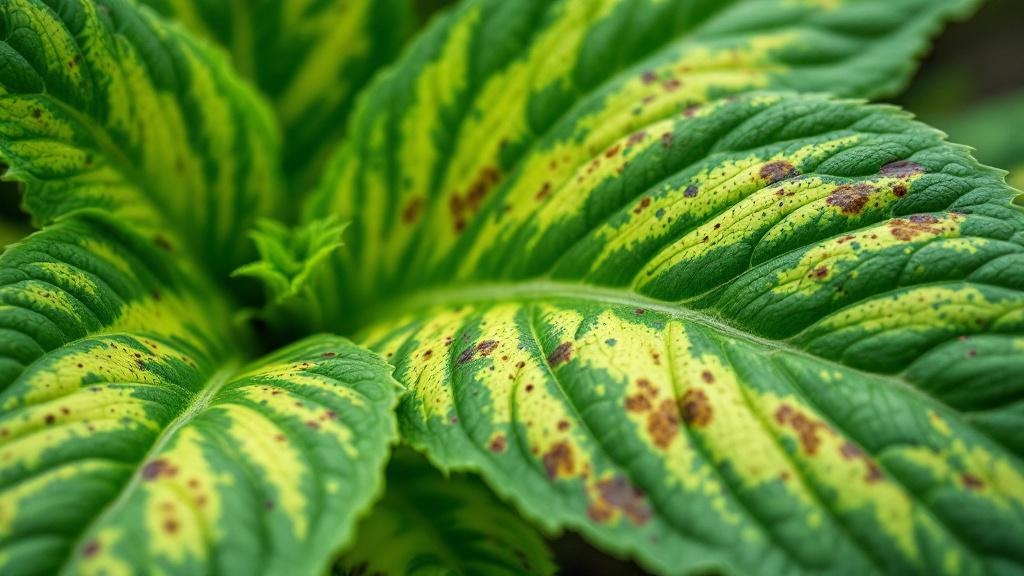
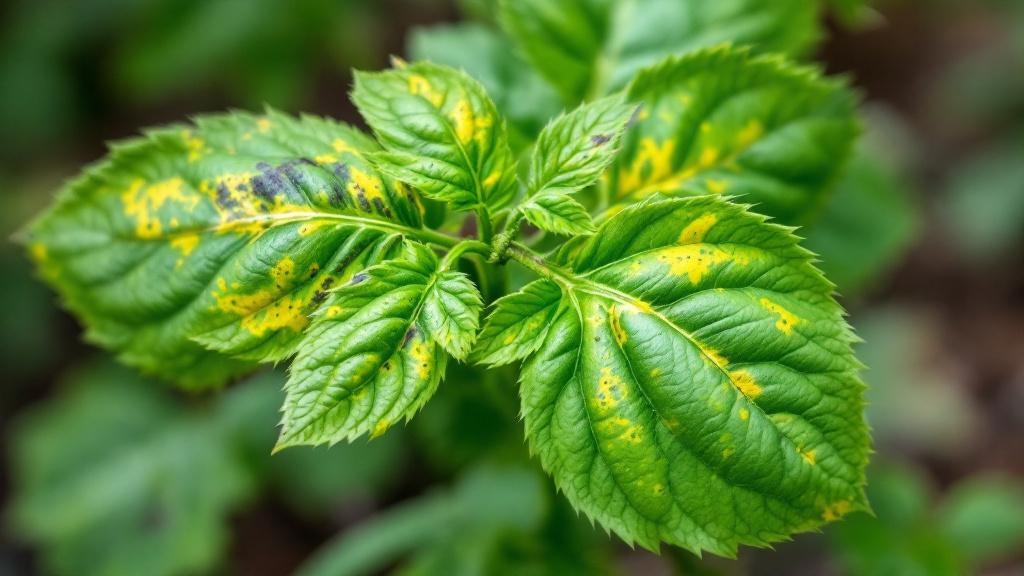
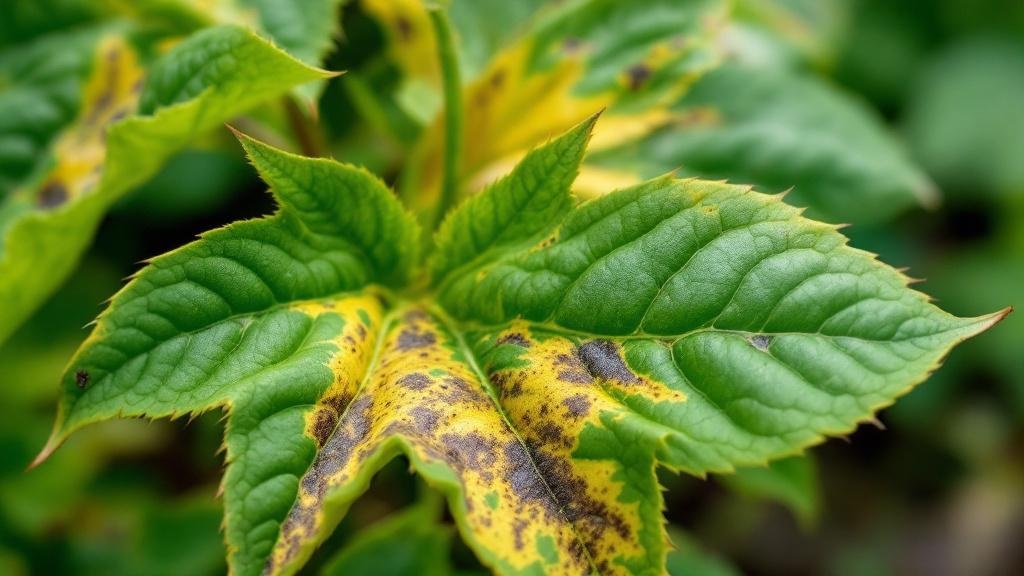
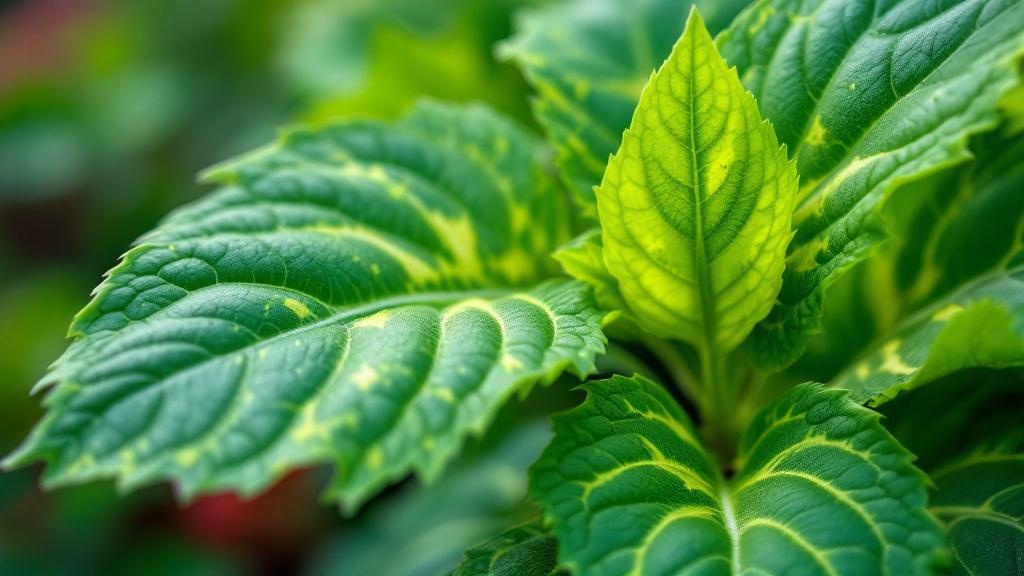
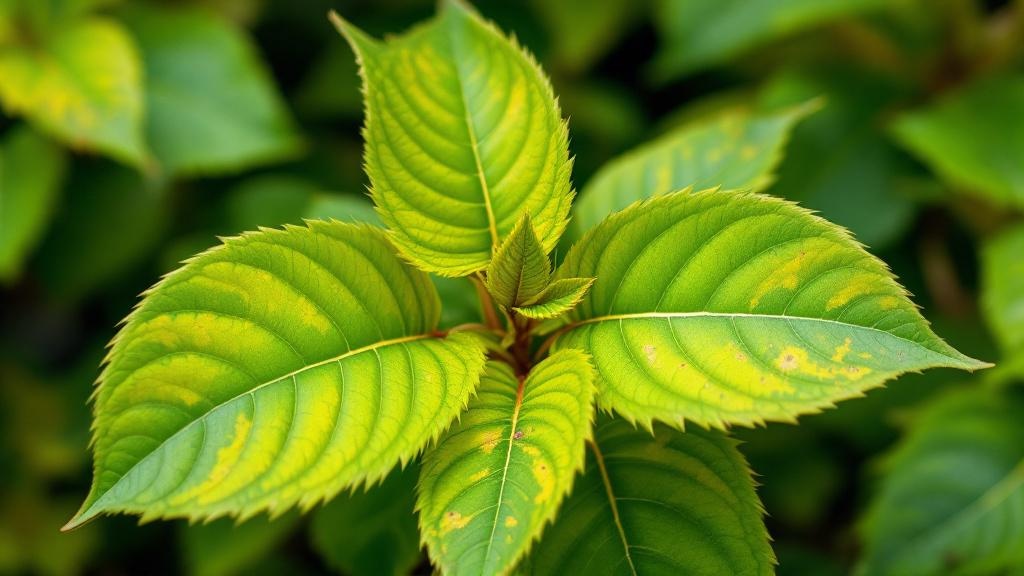
Iron chlorosis is a nutrient deficiency that strikes acid-loving plants when soil conditions prevent them from absorbing enough iron, even when iron is physically present in the ground. You'll spot it first on the newest leaves at the shoot tips: the veins stay bright green while the tissue between them turns pale yellow or almost white, creating a distinctive net-like or lacy pattern. This is different from nitrogen deficiency, which causes uniform yellowing that starts on the older lower leaves and spreads upward. Iron chlorosis matters most for rhododendrons, azaleas, camellias, blueberries, and conifers in your garden, because without correction these plants gradually weaken, flower poorly, and may die within a few years.
The problem usually emerges in spring and early summer, particularly if winter or spring was wet, or if your soil naturally leans alkaline. Hard tap water and over-liming are common culprits in temperate gardens. Once you spot the telltale yellowing on fresh growth, you have a window of several weeks to act before the chlorosis spreads to older leaves and the plant's vigor crashes.
The good news is that iron chlorosis is one of the most correctable nutrient problems. Unlike some deficiencies, you can turn it around with straightforward soil amendments and foliar sprays, especially if caught early. The key is understanding that you're not adding iron so much as creating soil conditions that let the plant access the iron already there, or using chelated forms that bypass the soil chemistry altogether.
🔍 How to identify
A FIATAL (felső) leveleken: a levélerek zöldek maradnak, de a levél többi része sárga vagy zöldes-fehér. "Hálózatos" sárgulás. Nitrogénhiánytól megkülönböztethető: ott az alsó levelek + egyenletes sárgulás.
🌿 Common host plants
💊 Treatment
Talaj-savanyítás (savanyú tőzeg, fenyőtűs mulcs). Vasszulfát (FeSO4) lazítva. Csapvíz helyett esővíz (mert a csapvíz lúgos!).
Vas-kelát (Fe-EDDHA, Sequestrene 138). Lombpermetezés Fe-EDTA-val gyors eredményért.
🛡️ Prevention
Savanyú talaj fenntartása savanykodó növényeknél (pH 4.5-5.5).
Frequently asked questions
How quickly does iron chlorosis get worse if I don't treat it?
Once you spot the net-like yellowing on new leaves, you have roughly 3-4 weeks before it spreads noticeably to older foliage and the plant's overall vigor starts to decline. If left untreated through summer, by August-September the entire canopy can look washed out and growth virtually stops, making recovery much slower even after treatment begins.
Can I save a plant that's already quite yellow, or do I have to dig it up?
Most plants with iron chlorosis can be saved, even if they look quite bad. Acidify the soil immediately with sulfur or peat moss, apply ferrous sulfate (FeSO4) in water, and spray the leaves with a chelated iron solution (Fe-EDTA) every 7-10 days for visible improvement in 2-3 weeks. Only dig up and discard if the plant is completely dead or has been declining for more than two years with no new growth at all.
What's the safest way to treat it in a garden where kids and pets play?
Start with soil acidification using pine needle mulch and acidifying peat moss, which are completely safe once applied. If you must use ferrous sulfate (FeSO4), water it in thoroughly and keep pets away for 24 hours; it's low-toxicity but can cause upset stomachs if ingested. Foliar sprays with chelated iron (Fe-EDTA) are very low-risk once dry, and target only the plant you're treating.
Does iron chlorosis get worse in certain weather or seasons?
Yes—heavy spring rains and cool wet soils trigger the worst outbreaks because waterlogged roots cannot absorb iron efficiently, and excess moisture raises soil pH. Alkaline tap water makes it worse too, so in hard-water areas, always use collected rainwater for both watering and foliar sprays. Late spring through mid-summer (May to July) is the peak risk window in temperate zones.
Will it spread to my other plants nearby?
Iron chlorosis is not contagious between plants; it's purely a chemistry problem specific to individual plants in their soil. However, if your soil is naturally alkaline or your tap water is hard, other acid-loving neighbors like blueberries, heathers, and conifers will likely develop the same deficiency unless you also acidify their soil.
Not sure what's wrong? Take a photo!
Plantora's AI Plant Doctor identifies the issue from a single photo in seconds and gives you a tailored treatment guide.
Try AI diagnosis (free) →