Wax Ivy
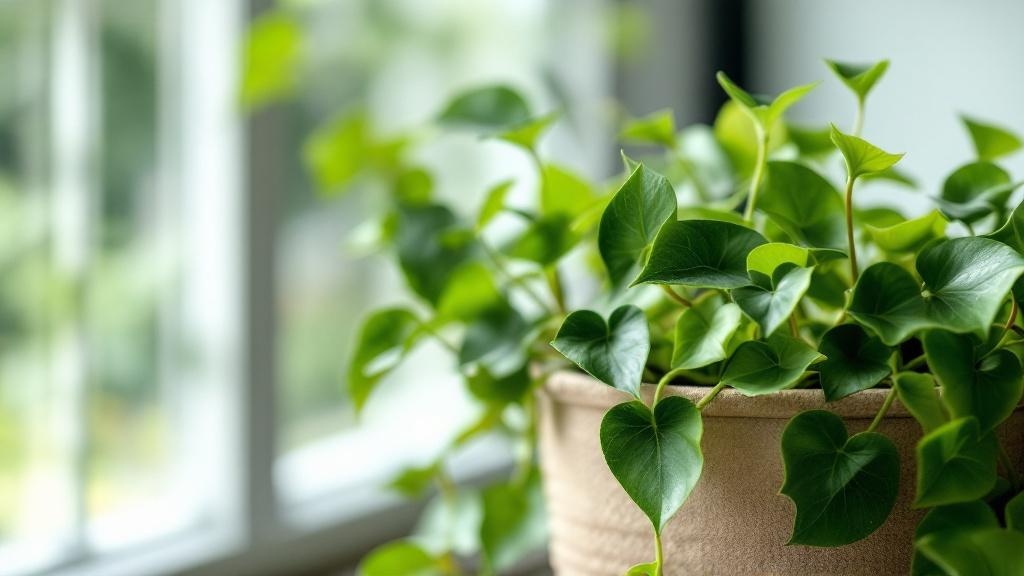
Wax Ivy is one of the most underrated trailing houseplants, often mistaken for true ivy but far easier to keep alive. Its thick, waxy leaves store water efficiently, making it forgiving for those who forget to water. The most common question plant owners ask is why their Wax Ivy becomes leggy or loses its variegation. Understanding its light and watering needs solves most problems with this charming succulent vine.
Watering Your Wax Ivy Correctly
Water your Wax Ivy thoroughly every 10-14 days during spring and summer, allowing the soil to dry out completely between waterings. In winter, reduce to once every 3-4 weeks as growth slows significantly. Always check that the top 3-4 cm of soil is dry before watering. Overwatering is the fastest way to kill this plant, leading to root rot within weeks.
Light Requirements for Healthy Growth
Wax Ivy thrives in bright indirect light but tolerates 2-3 hours of direct morning sun, especially from an east-facing window. In temperate climates, a south-facing window works well from October through March when sunlight is weaker. Insufficient light causes leggy growth and loss of variegation in variegated cultivars. Move the plant closer to windows during the darker months of November through February.
Soil and Repotting Wax Ivy
Use a well-draining cactus and succulent mix, or create your own by mixing standard potting soil with perlite and coarse sand in a 2:1:1 ratio. Repot every 2-3 years in spring, typically late March to April, moving up just one pot size. Wax Ivy has a modest root system and actually performs better when slightly rootbound. Ensure your pot has drainage holes to prevent water accumulation.
Temperature and Humidity Needs
Maintain temperatures between 15-24°C for optimal growth, with a minimum of 10°C in winter. Wax Ivy handles average household humidity well and does not require misting. Keep it away from cold drafts near windows during December through February and avoid placing it near radiators. This plant tolerates cooler nights better than most tropical houseplants, making it ideal for unheated conservatories in mild winters.
Fertilizing for Vigorous Growth
Feed with a balanced liquid fertilizer diluted to half strength every 4-6 weeks from April through September. Stop fertilizing entirely from October through March when the plant enters its rest period. Over-fertilizing causes salt buildup in the soil and can burn the roots. If you notice white crusty deposits on the soil surface, flush the pot with clean water to remove excess salts.
Common Problems and Solutions
Mealybugs are the most frequent pest, appearing as white cottony masses in leaf joints; treat with rubbing alcohol on a cotton swab or neem oil spray. Root rot from overwatering causes mushy stems at the base; remove affected parts and repot in fresh dry soil immediately. Leggy, stretched growth indicates insufficient light, so move closer to a brighter window or supplement with a grow light during winter months.
Frequently asked questions
How often should I water Wax Ivy?
Water Wax Ivy every 10-14 days in spring and summer, reducing to every 3-4 weeks in winter. Always let the soil dry completely between waterings. This succulent stores water in its leaves, so underwatering is safer than overwatering.
Why are my Wax Ivy leaves turning yellow?
Yellow leaves on Wax Ivy typically indicate overwatering or poor drainage. Check if the soil stays wet for more than a week and ensure your pot has drainage holes. Remove yellow leaves and reduce watering frequency immediately.
Is Wax Ivy toxic to cats?
Yes, Wax Ivy is toxic to cats and dogs. Ingestion causes vomiting, drooling, and digestive upset due to compounds in the sap. Keep this plant in hanging baskets out of reach of curious pets.
Does Wax Ivy flower indoors?
Wax Ivy can produce small daisy-like yellow or cream flowers indoors when given enough bright light. Flowering typically occurs in late winter to early spring, usually February to April. Mature plants with good light exposure are most likely to bloom.
How do I propagate Wax Ivy?
Propagate Wax Ivy from stem cuttings taken in spring or early summer. Cut a 10-15 cm section with several leaves, let it callous for 24 hours, then place in moist succulent mix. Roots develop within 3-4 weeks in warm conditions.