Lotus
Lotus plants are iconic aquatic beauties prized for their elegant blooms and architectural foliage, thriving in temperate ponds and water gardens. Many gardeners wonder how to successfully overwinter lotus in zones 5-8, keep the plant healthy through summer droughts, and prevent common water-garden pests. With proper site selection and seasonal care, you can enjoy years of reliable flowering.
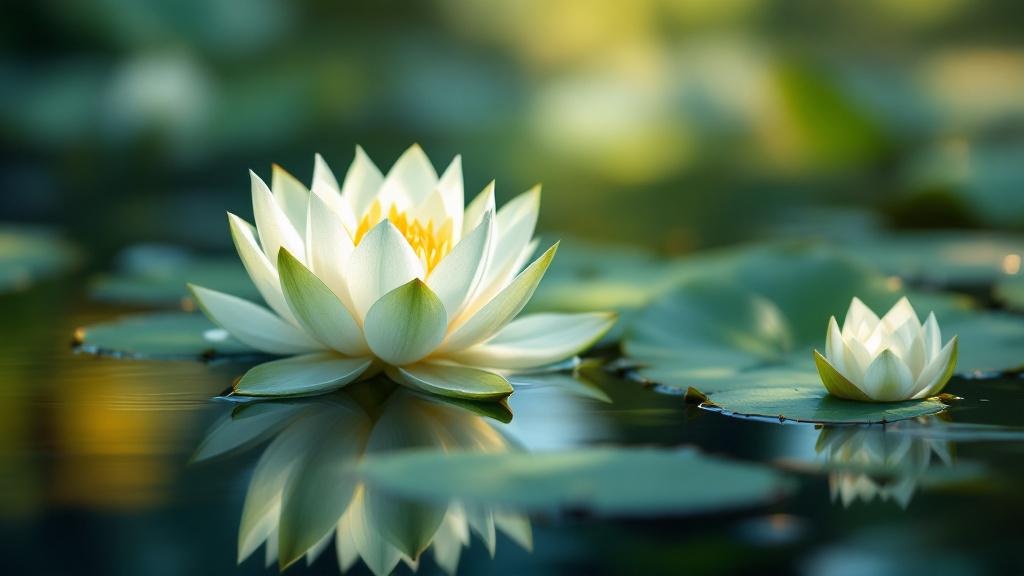
Watering and Pond Depth
Lotus must be grown in still water, submerged 30-60cm deep depending on the variety — tropical varieties prefer deeper water, while hardy cultivars tolerate shallower conditions. In temperate zones, maintain water depth consistently through summer; a shallow, sheltered pond or large container (at least 60 liters) works well. In autumn, as water temperatures drop below 15°C, reduce water circulation and allow the plant to enter dormancy. Avoid strong currents or water features that agitate the surface, as lotus leaves and flowers prefer calm conditions.
Sunlight Requirements
Lotus demands full sun for at least 6-8 hours daily to produce abundant flowers and healthy foliage. Position your pond or water container in an open spot away from tree shade and tall structures that cast shadows. Insufficient light results in sparse blooming, weak stems, and increased susceptibility to fungal issues. In temperate regions, late spring through early autumn provides ideal daylight hours; choose a site that catches morning and midday sun to maximize flowering potential.
Soil and Planting Medium
Plant lotus tubers in rich, heavy loam or specialized aquatic planting compost, never light or peat-based mixes that decompose underwater. Fill a wide planting basket (at least 30cm diameter, 20cm deep) with loamy soil, place the tuber horizontally just below the surface, and submerge the basket in your pond before new growth emerges in late spring. In temperate zones, delay planting until late April or May when soil and water temperatures consistently exceed 15°C. Repotting is rarely needed; refresh the top layer of soil annually in spring if it becomes depleted.
Temperature and Seasonal Care
Hardy lotus cultivars survive temperate winters by going dormant; tubers remain viable underground as long as they do not freeze solid. In zones 5-7, protect ponds with a minimum water depth of 90cm so the tuber rests safely below the frost line, or lift and store tubers indoors in cool, barely-moist sand over winter. Tropical varieties must be lifted and stored at 10-15°C in a frost-free location from November through April. In summer, lotus prefers warm water (above 21°C); heavy rainfall or cool spells may slow growth but do not harm established plants.
Fertilizing for Strong Growth
Apply aquatic slow-release fertilizer tablets directly into the planting soil in late April and again in June to support leaf and flower production. Use only fertilizers formulated for aquatic plants — general-purpose fertilizer can trigger harmful algal blooms. Avoid over-fertilizing, which promotes excessive vegetative growth at the expense of flowers. A single balanced application in spring and mid-summer is sufficient for most temperate conditions; cease feeding by late August to help the plant transition to dormancy.
Common Problems and Solutions
Leaf spot and fungal diseases emerge when water becomes stagnant or overly warm in mid-summer; improve water circulation with a pump or fountain (positioned away from the lotus) and remove affected leaves promptly. Aphids and water lily beetles occasionally infest lotus in late June and July; hand-remove insects or spray with insecticidal soap approved for aquatic use, avoiding broad pesticides that harm aquatic life. Poor flowering often results from insufficient sunlight, overcrowded tubers, or heavy shade; ensure full sun exposure and thin out multiple shoots if the basket becomes too dense.
Frequently asked questions
How often should I water lotus plants?
Lotus is not watered like terrestrial plants — it is permanently submerged in still water at a depth of 30-60cm. Maintain consistent water level throughout the growing season; top up only to replace evaporation, typically every 7-10 days in summer heat.
Can lotus survive winter in temperate zones?
Yes, hardy lotus varieties (zones 5-8) survive winter dormancy if the tuber rests below the frost line in a pond at least 90cm deep. Tropical varieties must be lifted in autumn and stored indoors at 10-15°C in barely-moist sand until replanting in late spring.
Why is my lotus not flowering?
Lotus flowers only in full sun — ensure your pond receives at least 6-8 hours of direct sunlight daily. Other causes include cool water temperatures below 20°C, overcrowded tubers, poor soil fertility, or a tuber planted too deep; adjust planting depth so just the top of the tuber is level with soil surface.
When should I plant lotus tubers in spring?
Plant lotus tubers in late April or May once soil and water temperatures consistently exceed 15°C. In zones 5-6, wait until mid-May to avoid rot; in zones 7-8, late April is safe. Early planting in cold water risks tuber decay.
Is lotus toxic to pets or fish?
No, lotus is completely safe for pets, fish, and aquatic wildlife. The plant provides beneficial shade and shelter for pond inhabitants.