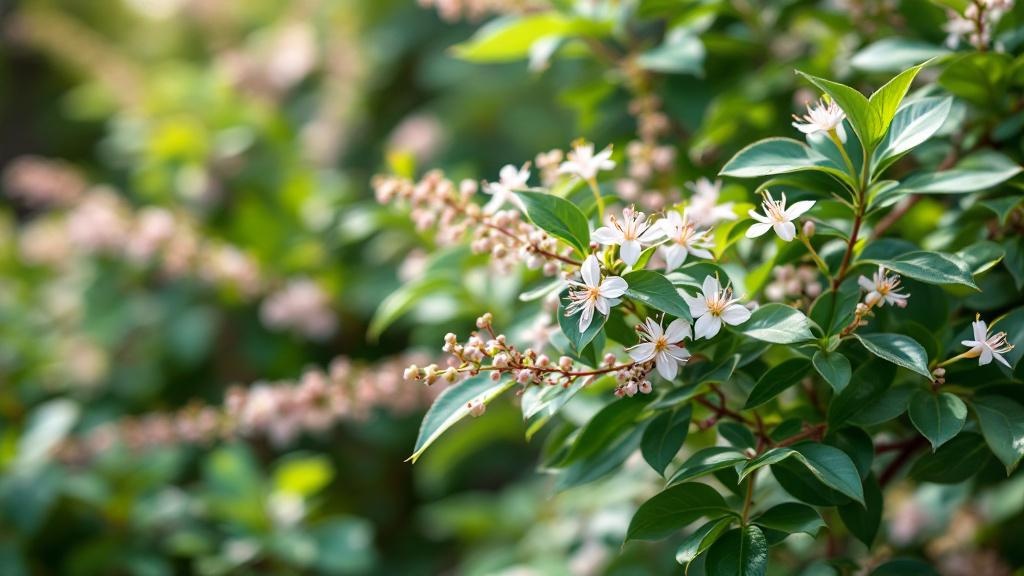
Black Mulberry
Black mulberry trees have been cultivated for over 4,000 years, and for good reason — their dark, juicy berries are considered the finest-flavored of all mulberries. The most common question gardeners ask is whether black mulberry can survive cold winters, and the answer is yes, with proper siting and care. This slow-growing tree eventually reaches 8-12 meters and can fruit for centuries, making it a worthy investment for any temperate garden with space to spare.
Watering Your Black Mulberry Tree
Young trees need consistent moisture during their first two growing seasons — water deeply once weekly from April through September if rainfall is lacking. Established trees are remarkably drought-tolerant and rarely need supplemental watering except during extended dry spells. Avoid overwatering, as mulberries dislike waterlogged roots. During fruiting in July and August, consistent moisture improves berry size and juiciness.
Light Requirements for Healthy Growth
Black mulberries need full sun to produce abundant fruit — aim for at least 6 hours of direct sunlight daily. In partial shade, the tree will grow but fruit production drops significantly. When selecting a planting site, choose a south or west-facing position sheltered from cold north winds. Morning sun helps dry dew quickly, reducing fungal disease risk.
Soil and Planting Considerations
Plant black mulberries in deep, fertile, well-draining soil with a pH between 6.0 and 7.5. They tolerate clay and sandy soils better than most fruit trees but struggle in shallow or waterlogged ground. Plant bare-root trees in November or March while dormant, and container-grown trees anytime the ground is workable. Add well-rotted compost to the planting hole and mulch annually with organic matter each spring.
Temperature and Hardiness in Temperate Climates
Black mulberry is hardy to approximately minus 15C, making it suitable for USDA zones 6-8 and most of Central Europe and the UK. Late spring frosts can damage emerging flowers in April and May, so avoid frost pockets when siting your tree. In colder regions, plant against a south-facing wall for additional warmth. Young trees benefit from fleece protection during their first few winters if temperatures drop below minus 10C.
Fertilizing for Fruit Production
Feed established trees once yearly in early March with a balanced fertilizer or generous layer of well-rotted manure. Avoid high-nitrogen feeds, which promote leafy growth at the expense of fruit. Young trees benefit from a light application of blood, fish, and bone meal in April to support root establishment. Mulching with compost each spring provides slow-release nutrients throughout the growing season.
Common Problems and Solutions
Bacterial blight can cause dieback of shoots in wet springs — prune affected branches back to healthy wood and dispose of cuttings. Birds are the biggest pest, often stripping ripe fruit in July and August; netting smaller trees or accepting shared harvests is the practical solution. Scale insects occasionally colonize branches; treat with horticultural oil spray in late winter before bud break. Mulberry leaf spot causes brown patches in humid summers but rarely threatens tree health.
Frequently asked questions
How long does it take for a black mulberry tree to fruit?
Black mulberry trees typically begin fruiting 8-10 years after planting from seed, or 2-4 years if grown from cuttings or purchased as container-grown specimens. Patience is required, but once established, trees fruit reliably for decades. Grafted trees from nurseries offer the quickest route to harvest.
Why are my black mulberry leaves turning yellow?
Yellow leaves usually indicate overwatering or poor drainage causing root stress. Check that soil drains freely and reduce watering frequency. Nutrient deficiency, particularly nitrogen or iron, can also cause yellowing — apply a balanced fertilizer in early spring if the problem persists.
When do black mulberries ripen in the UK?
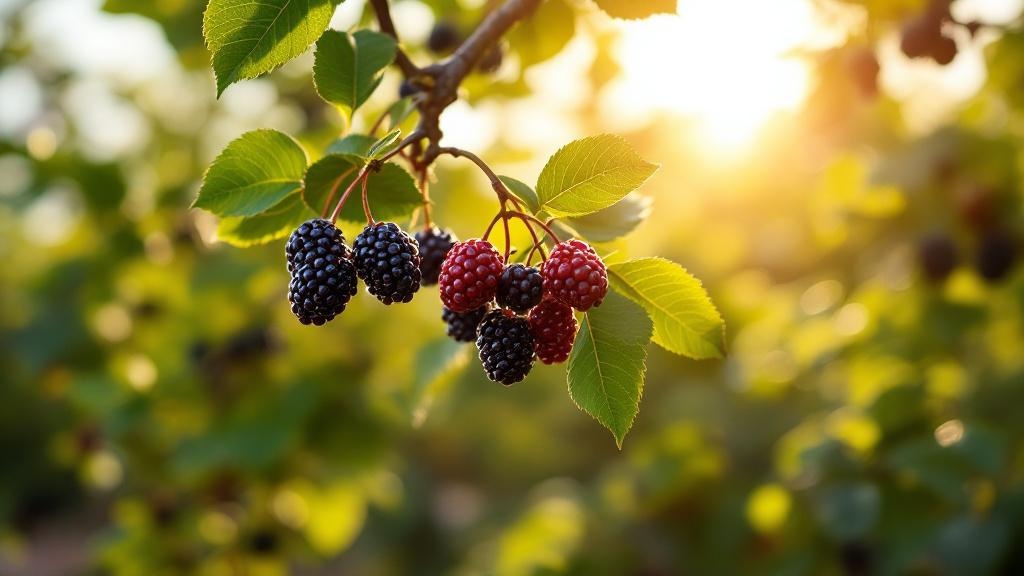
Black mulberries ripen from late July through August in the UK and similar temperate climates. The berries turn from red to deep purple-black when fully ripe and fall easily from the tree. Harvest daily during peak ripeness as fruit is highly perishable.
Is black mulberry toxic to cats or dogs?
No, black mulberry is not toxic to cats or dogs. The fruit, leaves, and bark are all considered safe for pets. Unripe berries and raw shoots may cause mild stomach upset if consumed in large quantities, but ripe fruit poses no concern.
Can I grow black mulberry in a container?
Yes, black mulberry can be grown in a large container of at least 50-70 liters, though fruit production will be reduced. Use a loam-based compost, water regularly, and feed monthly during the growing season. Repot every 2-3 years or root-prune to maintain container size.