Bearded Iris
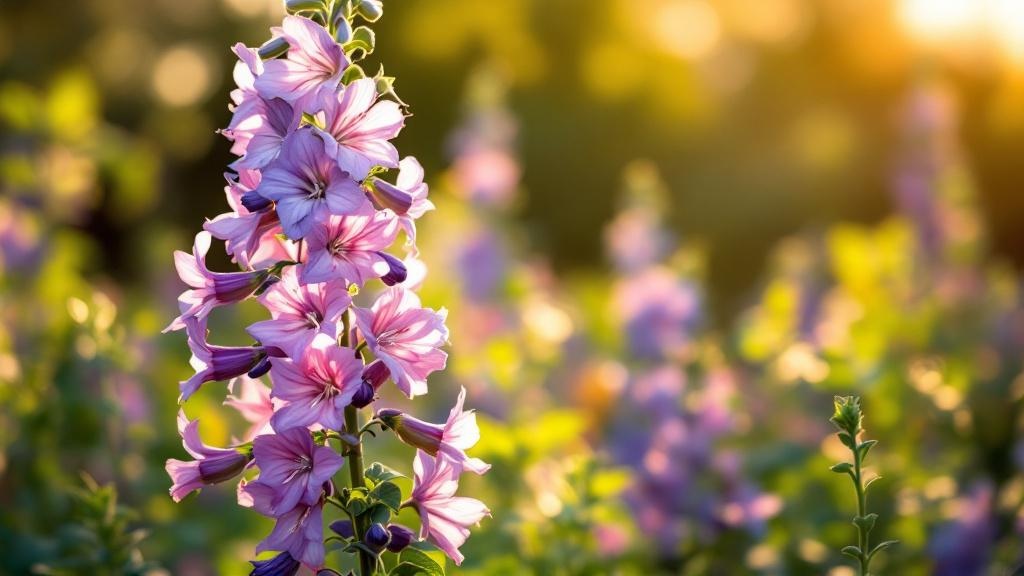
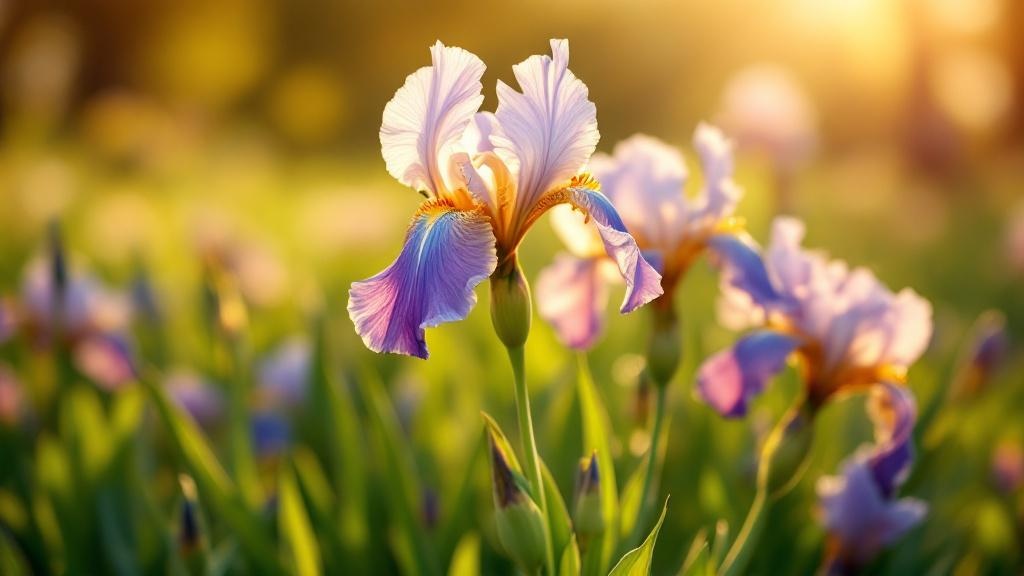
Bearded iris are among the most beloved perennials in temperate gardens, prized for their dramatic flowers in shades of blue, purple, yellow, and white. The main challenge gardeners face is preventing root rot in wet winters and managing the rhizomes properly during the growing season. With the right drainage and minimal fussing, these hardy plants reward you with years of reliable blooms each May and June.
Watering Bearded Iris
Bearded iris need moderate moisture during active growth in spring, roughly once per week if rainfall is light. After flowering ends in early June, reduce watering significantly—these plants prefer drier conditions during summer dormancy and should rarely be watered unless there is a prolonged drought. In autumn and winter, rainfall is usually sufficient; only water if soil becomes dusty dry. Overwatering is the primary cause of rhizome rot, so err on the side of underwatering.
Light Requirements for Bearded Iris
Bearded iris require at least 6 hours of direct sunlight daily to produce abundant flowers and prevent fungal diseases. They can tolerate light afternoon shade in very hot summers, but in temperate climates, full sun exposure is ideal. Insufficient light leads to fewer blooms and increased susceptibility to leaf spot and iris borer damage. Plant in open locations away from trees and shrubs that compete for sun and air circulation.
Soil & Repotting Bearded Iris
Bearded iris thrive in well-draining, slightly sandy loam with a pH of 6.0-7.0. Heavy clay or wet soil almost guarantees rhizome rot, so amend poor soil with coarse sand, grit, or perlite before planting. Plant rhizomes so the top half sits above soil level, leaving the fan of leaves exposed. Repotting is rarely needed; instead, divide overgrown clumps every 3-4 years after flowering by carefully separating rhizomes with a sharp knife and replanting.
Temperature & Humidity for Bearded Iris
Bearded iris are extremely cold-hardy and require winter dormancy to bloom well—they need 8-12 weeks of chilling at temperatures below 10°C to set flower buds. In temperate zones 5-8, natural winters provide this chill requirement automatically. High humidity combined with poor air circulation increases fungal leaf spot and soft rot; ensure plants are spaced adequately and avoid overhead watering. Morning dew is normal and not harmful, but standing water on foliage should be avoided.
Fertilizing Bearded Iris
Feed bearded iris lightly in early spring (late February or March) with a balanced, slow-release fertilizer or a bloom-promoting formula such as 5-10-10. Avoid high-nitrogen fertilizers, which promote leafy growth at the expense of flowers. Do not fertilize after June, as late feeding can weaken rhizomes before winter dormancy. A light topdressing of compost in autumn provides gentle, long-term nutrition without encouraging soft, disease-prone growth.
Common Problems & Solutions
Leaf spot, caused by fungal pathogens like Mycosphaerella, appears as brown or tan streaks on foliage in wet springs; remove affected leaves and improve air circulation. Iris borer larvae tunnel into rhizomes in spring, causing soft rot and mushy bases—inspect rhizomes for entry holes and surgical removal or application of neem oil can help prevent serious damage. Yellow leaves with mushy rhizomes indicate root rot from waterlogged soil; divide affected plants, discard rotted rhizomes, and replant in drier, amended soil.
Frequently asked questions
How often should I water bearded iris?
Water bearded iris weekly during spring growth and flowering, then reduce watering sharply after blooms fade in June. Overwatering causes rhizome rot, the main killer of these plants; in summer and winter, water only during prolonged drought. Let natural rainfall do most of the work in temperate climates.
Why are my iris leaves turning yellow?
Yellow leaves combined with a soft or mushy base indicates root rot from overwatering or poor drainage. Lift the plant, remove rotted rhizomes with a clean knife, and replant healthy sections in fresh, well-draining soil amended with sand or grit. Leaves that yellow gradually without soft spots may signal nutrient deficiency or natural dormancy after flowering.
When do bearded iris bloom?
Bearded iris bloom in late spring, typically from late April through June in temperate zones 5-8, depending on local weather and variety. Dwarf bearded iris tend to flower earlier (April), while tall varieties peak in May and June. To enjoy a longer bloom season, plant early, mid-season, and late varieties together.
Can I grow bearded iris in pots?
Yes, bearded iris can grow in large pots (at least 30 cm wide and deep) filled with well-draining potting soil amended with extra sand or grit. Container-grown iris may need slightly more frequent watering but should still dry out between waterings. Containers are excellent for regions with very heavy clay or wet winters, as drainage is easier to control.
How do I divide and propagate bearded iris?
Divide bearded iris immediately after flowering (late June to July) by carefully digging up clumps and separating rhizomes by hand or with a clean knife. Each division should have a fan of leaves and healthy roots attached. Trim leaves to about 20 cm, plant divisions so the rhizome top is exposed, and water gently; new growth appears within 2-3 weeks.