Yellow Flag Iris
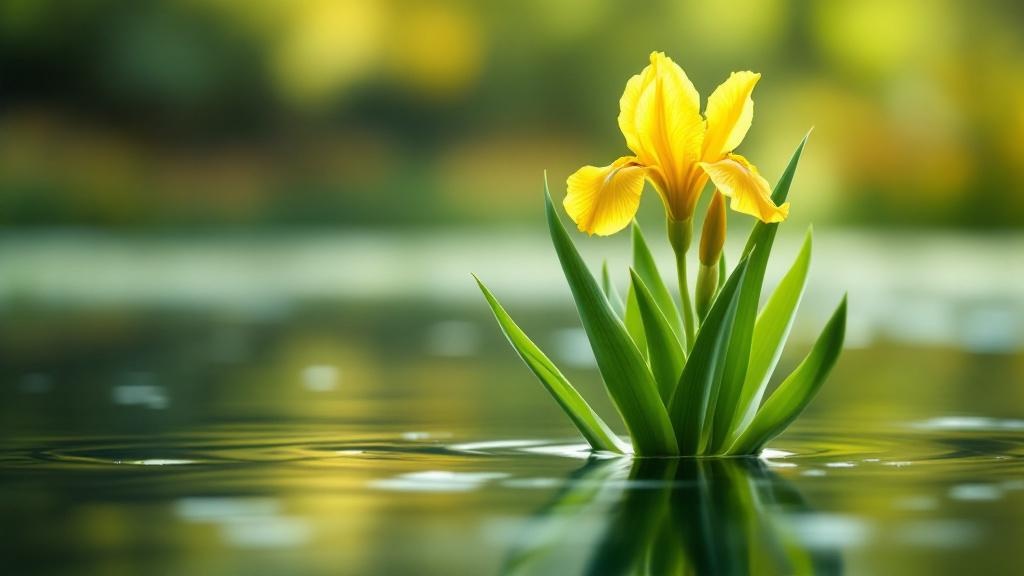
Yellow Flag Iris brings bold, sunshine-yellow flowers to water gardens and pond edges from late May through June. Native to European wetlands, this hardy aquatic iris is one of the most frequently searched plants by gardeners asking how deep to plant it in water and whether it survives cold winters. The answer is reassuring: it tolerates water depths up to 25 cm and is fully hardy through harsh temperate winters, making it ideal for UK, Central European, and Northern US gardens.
Watering and Water Depth for Yellow Flag Iris
Yellow Flag Iris thrives with its roots permanently submerged in water or saturated soil. Plant it in pond margins at a depth of 5 to 25 cm of water above the crown, or in consistently boggy ground that never dries out. In container water gardens, ensure the pot sits in a saucer of water at all times. Unlike most garden plants, this iris cannot tolerate drought and will decline rapidly if the soil dries.
Light Requirements for Optimal Flowering
This iris performs best in full sun, requiring at least 6 hours of direct sunlight daily for abundant blooms. It tolerates partial shade but will produce fewer flowers and may become leggy. In Northern US and UK gardens, a south-facing pond edge is ideal. Avoid deep shade, which leads to weak growth and minimal flowering.
Soil and Planting for Aquatic Irises
Use heavy clay soil or purpose-made aquatic compost in planting baskets designed for ponds. Avoid standard potting mixes, which contain perlite that floats and fertilizers that encourage algae. Plant rhizomes horizontally just below the soil surface in spring or early autumn. Repot every 3 to 4 years in early September when clumps become congested, dividing the rhizomes to maintain vigor.
Temperature and Winter Hardiness
Yellow Flag Iris is extremely cold-hardy, surviving temperatures down to minus 25C without protection. In USDA zones 5 through 8, it requires no winter care and its rhizomes remain safely insulated beneath water or frozen soil. In late autumn, cut back dead foliage to just above the waterline to prevent rotting debris from fouling pond water. New growth emerges reliably in late March.
Fertilizing Aquatic Irises
Feed sparingly to avoid encouraging algae growth in ponds. Apply aquatic plant fertilizer tablets pushed into the planting basket soil once in mid-April as growth resumes, and again in early June during flowering. Avoid liquid fertilizers in pond settings. In bog gardens, a light top-dressing of well-rotted compost in early spring provides sufficient nutrients.
Common Problems and Pests
Iris sawfly larvae appear from May onwards, skeletonizing leaves with their voracious feeding. Inspect undersides of leaves weekly and remove caterpillars by hand or use neem-based sprays approved for aquatic use. Soft rot can affect rhizomes in stagnant water with poor oxygen levels, causing mushy, foul-smelling roots. Remove affected sections immediately. Leaf spot fungus creates brown patches in humid summers but rarely threatens plant health.
Frequently asked questions
How deep should I plant Yellow Flag Iris in my pond?
Plant Yellow Flag Iris with 5 to 25 cm of water covering the crown of the rhizome. Shallow margins around 10 cm depth are ideal for container planting baskets. The plant also thrives in permanently boggy soil at water level.
Is Yellow Flag Iris toxic to cats and dogs?
Yes, all parts of Yellow Flag Iris are toxic to cats, dogs, and humans if ingested. The rhizomes are most concentrated but leaves and flowers also cause vomiting, drooling, and gastrointestinal upset. Keep pets away from pond edges where this iris grows.
When does Yellow Flag Iris bloom?
Yellow Flag Iris blooms from late May through June in temperate climates. Each flower lasts about 3 days, but established clumps produce many blooms over a 3 to 4 week period. Deadheading spent flowers keeps the display tidy.
Why are my Yellow Flag Iris leaves turning yellow?
Yellowing leaves on Yellow Flag Iris typically indicate insufficient water or natural autumn dieback. If yellowing occurs in summer, ensure roots remain constantly submerged. Nitrogen deficiency in poor soil can also cause pale leaves, resolved with aquatic fertilizer tablets.
Is Yellow Flag Iris invasive?
Yes, Yellow Flag Iris spreads aggressively via rhizomes and self-seeding in ideal conditions. In North America it is considered invasive in wetland habitats. Contain it in planting baskets in garden ponds and deadhead flowers before seeds develop to prevent unwanted spread.