Black Pine
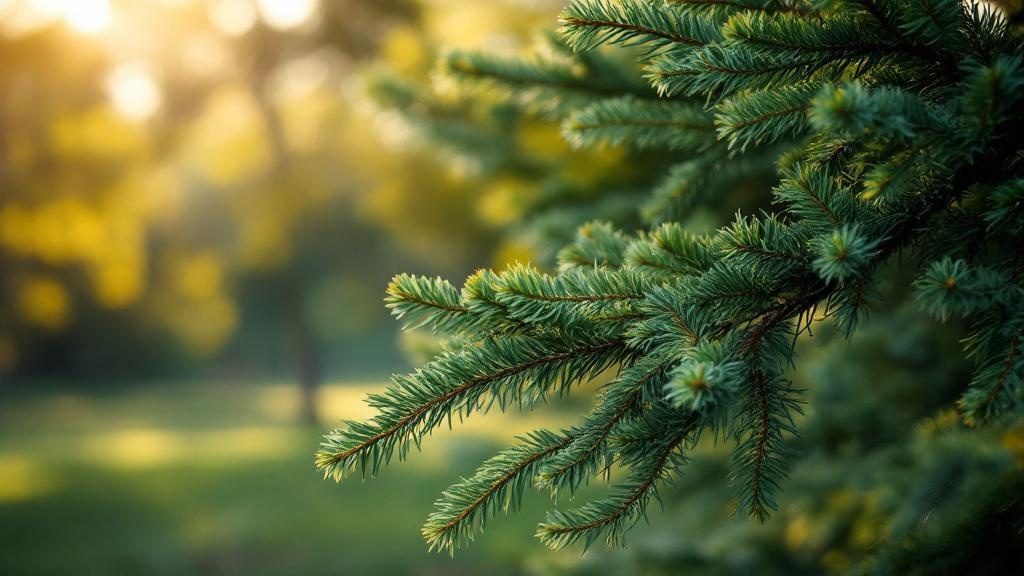
Black Pine (Pinus nigra) is one of the most resilient conifers for temperate gardens, prized for its dramatic dark bark and dense, deep-green needles. Native to Southern Europe, it handles urban pollution, coastal winds, and poor soils better than most pines. The question gardeners ask most often is how to keep this stately tree healthy long-term while managing its size in smaller landscapes. Whether you are growing it as a specimen tree, windbreak, or training it as a bonsai, understanding its basic needs will reward you with decades of evergreen beauty.
Watering Your Black Pine Correctly
Established Black Pines are remarkably drought-tolerant and prefer infrequent, deep watering over frequent shallow drinks. During the first two years after planting, water deeply every 7-10 days in summer and every 3-4 weeks in winter when the ground is not frozen. Once mature, rainfall in temperate regions like the UK or Northern US is usually sufficient, but provide supplemental water during prolonged August dry spells. Always let the top 5-8 cm of soil dry out between waterings to prevent root rot.
Light Requirements for Healthy Growth
Black Pine demands full sun with at least 6 hours of direct sunlight daily. In partial shade, growth becomes leggy and needle density suffers significantly. When selecting a planting site in your garden, choose a south or west-facing location away from buildings or taller trees that might cast shadows. Young pines can tolerate brief periods of light shade in hot July afternoons, but consistent sun exposure ensures the compact, dense form this species is known for.
Soil and Repotting Essentials
This pine thrives in well-draining soil and tolerates a wide pH range from slightly acidic to alkaline. Heavy clay soils should be amended with coarse sand or grit before planting. When planting container-grown specimens in October or March, dig a hole twice the root ball width and avoid planting too deep—keep the root flare visible at soil level. For bonsai enthusiasts, repot every 3-5 years in early April using a mix of akadama, pumice, and lava rock.
Temperature and Humidity Preferences
Black Pine is extremely cold-hardy, surviving temperatures down to minus 25°C once established, making it ideal throughout USDA zones 4-8. It handles hot, dry summers far better than many conifers and actually prefers lower humidity levels. In temperate regions, no winter protection is needed for garden specimens. However, container-grown pines should have their pots insulated with bubble wrap or moved to an unheated garage during severe January frosts to protect roots.
Fertilizing for Strong Growth
Feed Black Pine once annually in late April with a slow-release conifer fertilizer low in nitrogen. Excessive nitrogen promotes soft, disease-prone growth and unnaturally long needles. For bonsai specimens, use a balanced organic fertilizer every 4 weeks from May through September, stopping in October to allow hardening before winter. Avoid fertilizing newly planted trees for the first year—let them focus energy on root establishment instead.
Common Problems and Solutions
Pine processionary moth caterpillars can appear in late spring, building distinctive silk nests—remove these carefully wearing gloves as the hairs cause skin irritation. Dothistroma needle blight causes red bands on needles followed by browning, especially in wet summers; improve air circulation by selective pruning and apply copper-based fungicide in late May. Scale insects occasionally infest stressed trees, appearing as small brown bumps on branches; treat with horticultural oil spray in early March before new growth emerges.
Frequently asked questions
How often should I water a Black Pine tree?
Water established Black Pines deeply every 10-14 days during dry summer periods, less frequently once mature. Young trees in their first two years need more consistent moisture to establish roots. In typical temperate climates with regular rainfall, supplemental watering is only necessary during prolonged drought.
Why are my Black Pine needles turning yellow?
Yellow needles on Black Pine typically indicate overwatering, poor drainage, or natural needle drop. Inner needle yellowing in autumn is normal—pines shed 2-3 year old needles annually. If new growth yellows, check for waterlogged soil, root rot, or nutrient deficiency and adjust watering immediately.
How fast does Black Pine grow per year?
Black Pine grows moderately at 30-45 cm per year under good conditions, reaching 15-20 metres at maturity. Growth rate depends heavily on sunlight, soil quality, and water availability. The fastest growth occurs between ages 10-30, slowing considerably as the tree matures.
When should I prune my Black Pine?
Prune Black Pine in late June to early July when new candles have fully extended but before needles harden. This timing, called candle pruning, controls size and encourages back-budding for denser growth. Remove dead or crossing branches in late winter before sap rises in March.
Is Black Pine toxic to cats and dogs?
Black Pine is not toxic to cats or dogs, making it a safe choice for gardens with pets. While the needles are not poisonous, ingesting large quantities may cause mild stomach upset. Pine sap can be sticky and irritating to paws, so rinse off any contact promptly.