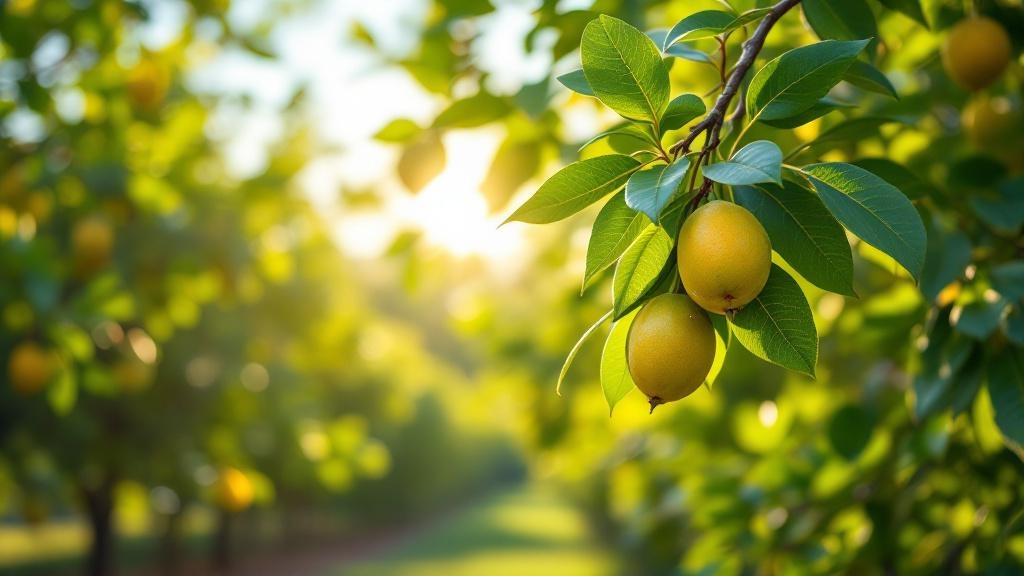
Gooseberry
Gooseberries are one of the most rewarding soft fruits for home gardeners in cooler climates, thriving where many other fruits struggle. These thorny bushes produce abundant harvests with minimal fuss once established. The most common question gardeners ask is how to prevent American gooseberry mildew, the powdery white coating that ruins fruit and foliage. With the right variety selection and airflow management, you can enjoy healthy bushes laden with fruit every July.
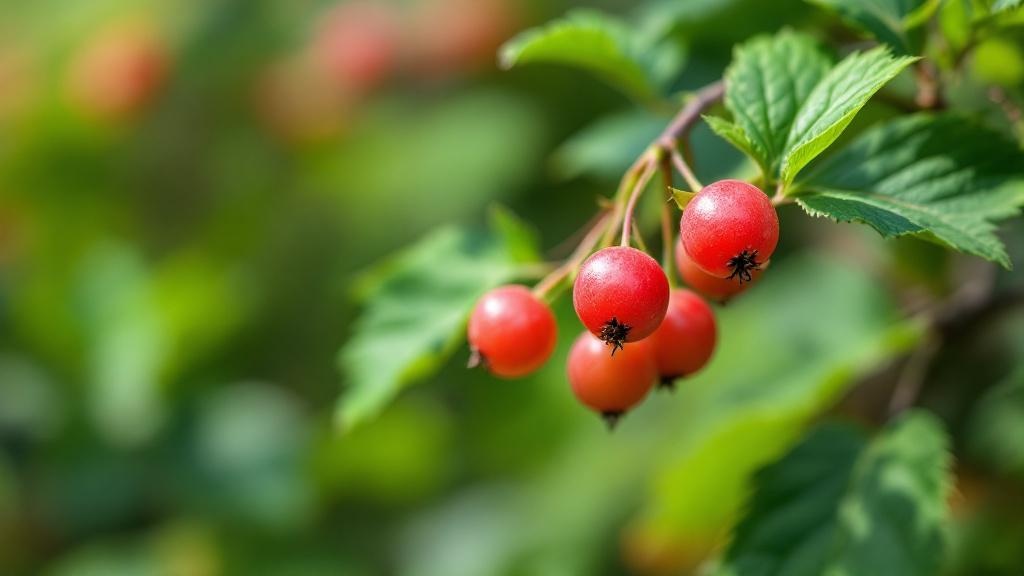
Watering Your Gooseberry Bush
Water deeply once weekly during flowering and fruit development from April through July, providing 20-25 liters per established bush. Reduce watering after harvest but maintain soil moisture during dry August spells to support next year's buds. Mulching with well-rotted compost in March helps retain moisture and suppresses weeds around the shallow root system.
Light Requirements for Gooseberries
Gooseberries perform best in full sun but tolerate partial shade better than most fruit bushes, making them ideal for north-facing walls or dappled woodland edges. In zones 7-8, afternoon shade actually benefits the fruit by preventing sunscald during hot July days. Avoid deep shade, which promotes fungal diseases and reduces fruit sweetness.
Soil and Planting Gooseberries
Plant bare-root gooseberries between November and March in rich, slightly acidic to neutral soil with a pH of 6.0-6.5. Dig in plenty of well-rotted manure before planting and space bushes 1.5 meters apart. Repotting container-grown gooseberries into the ground is best done in early spring before bud break, typically late February to mid-March in most temperate regions.
Temperature and Hardiness
Gooseberries are extremely cold-hardy, surviving temperatures down to minus 30C once dormant, making them perfect for USDA zones 5-8. They require winter chill hours between 800-1500 to fruit properly, which temperate climates provide naturally. Late spring frosts can damage early flowers, so avoid frost pockets when choosing your planting site or cover bushes with fleece if frost threatens in late April.
Feeding Your Gooseberry Bush
Apply a balanced fertilizer like Growmore at 70g per square meter in late February before growth begins. Follow with a potassium-rich feed such as sulphate of potash in early May to boost fruit development. Avoid high-nitrogen feeds after June, which promote soft growth susceptible to mildew and reduce winter hardiness.
Common Gooseberry Problems and Solutions
American gooseberry mildew appears as white powdery coating on shoots and fruit from May onward. Prevent it by choosing resistant varieties like Invicta or Hinnonmaki Red, pruning for airflow, and removing affected shoots immediately. Gooseberry sawfly caterpillars can strip leaves bare within days in late May. Check undersides of leaves weekly and pick off caterpillars by hand or spray with pyrethrum. Capsid bugs cause distorted leaves with small brown holes, typically appearing in June. Maintain good garden hygiene and encourage natural predators.
Frequently asked questions
How often should I water gooseberries?
Water gooseberries deeply once per week during flowering and fruiting from April through July. Established bushes need about 20-25 liters weekly during dry spells. After harvest, reduce watering but do not let roots dry out completely during hot August weather.
Why are my gooseberry leaves turning yellow?
Yellow gooseberry leaves usually indicate nutrient deficiency, particularly nitrogen or iron, or waterlogged roots. Check drainage around your bush and apply a balanced feed in early spring. If yellowing appears between leaf veins while veins stay green, apply iron chelate to correct chlorosis.
When do gooseberries fruit in the UK?
Gooseberries fruit from late June through July in most UK and temperate European gardens. Early varieties like Greenfinch ripen in mid-June, while later varieties like Leveller produce into early August. You can thin fruits in late May, using the small green berries for cooking while leaving remaining fruits to ripen fully.
Is gooseberry toxic to cats?
Gooseberries are not toxic to cats or dogs. The fruit, leaves, and stems are all safe if your pets nibble them. However, the thorny branches may cause minor scratches, so consider thornless varieties like Captivator if pets frequently access your fruit garden.
How do I prune gooseberries?
Prune gooseberries in late winter, typically February, by removing dead wood and crossing branches to create an open goblet shape. Cut back last year's side shoots to two buds and reduce leaders by one-third. Summer pruning in late June, shortening side shoots to five leaves, improves airflow and reduces mildew risk.