Snake Plant
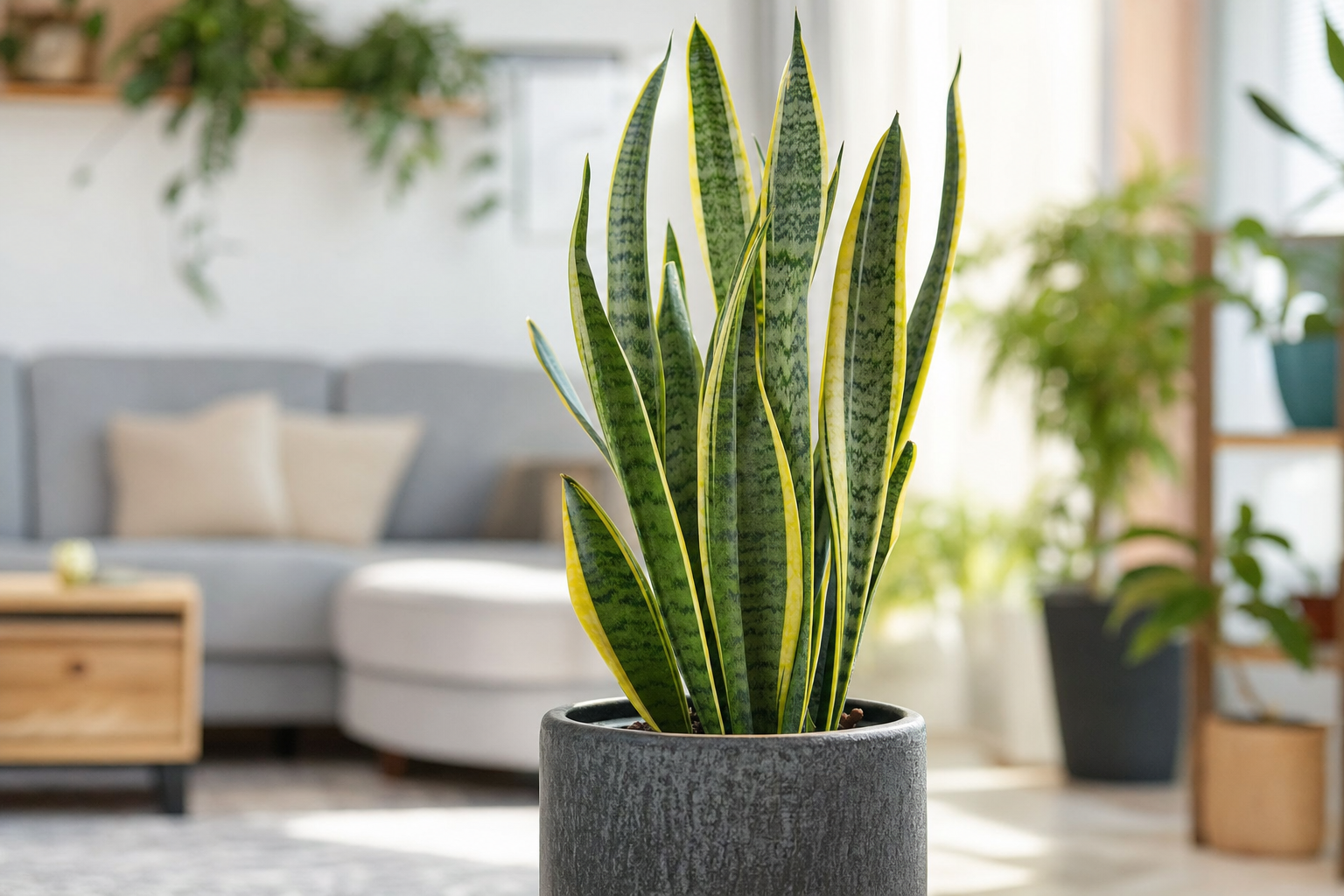
Snake plants are among the easiest houseplants to grow, even for beginners. Their architectural upright leaves add modern style to homes and offices in temperate climates. The most common question we hear is whether they can survive in low light—and the answer is yes, though they'll grow slower. They also remove toxins from indoor air, making them both practical and beautiful.
Watering Your Snake Plant
Snake plants are succulents and prefer to dry out between waterings. In temperate climates, water every 7-10 days during spring and summer when growth is active, then reduce to every 3-4 weeks in autumn and winter as growth slows. Always check that the top 2 inches of soil are completely dry before watering—if in doubt, wait. Overwatering is the most common cause of root rot in snake plants.
Light Requirements for Snake Plants
Snake plants tolerate low light better than almost any other houseplant, making them ideal for offices or dim corners in your home. However, they grow faster and remain more vibrant in bright indirect light near a north or east-facing window. In temperate regions, avoid direct afternoon sun through south-facing windows in summer, which can scorch the leaves. Even in a bathroom with only artificial light, a snake plant will survive—though growth will be very slow.
Soil and Repotting
Use a well-draining cactus or succulent potting mix; regular houseplant soil retains too much moisture and causes root rot. Repot every 2-3 years in late March or early April when the growing season begins, moving to a pot only 1 inch larger in diameter. Snake plants prefer to be slightly pot-bound. Ensure the pot has drainage holes and use terracotta if possible, as it helps soil dry faster in temperate humidity.
Temperature and Humidity
Snake plants prefer temperatures between 60-75°F, which matches most temperate home interiors perfectly. Keep them away from cold drafts, heating vents, and windows that fall below 50°F in winter. They tolerate average indoor humidity well and do not need misting. In very dry heated homes during winter months, occasional misting with a spray bottle helps prevent dust buildup on leaves but is not essential.
Fertilizing Your Snake Plant
Feed snake plants sparingly—once every 2-3 months during their active growing season from April to September using a diluted, balanced houseplant fertilizer. Reduce feeding in autumn and skip fertilizing entirely from October to March when growth nearly stops. Over-fertilizing can encourage weak, leggy growth and salt accumulation in the soil. A hungry snake plant is far healthier than an overfed one.
Common Problems and Solutions
Yellow or brown leaves usually signal overwatering or poor drainage; let soil dry out completely and repot in fresh succulent mix if root rot is present. Spider mites occasionally infest snake plants in dry indoor environments—spray affected leaves with water or neem oil solution every 7 days until pests disappear. Brown leaf tips indicate cold exposure or drafts; move the plant away from windows and heating vents and maintain steady temperatures above 55°F.
Frequently asked questions
How often should I water my snake plant?
Water every 7-10 days in spring and summer, then every 3-4 weeks in autumn and winter. Always let the top 2 inches of soil dry out completely between waterings. Overwatering causes root rot, which is the main reason snake plants fail.
Can snake plants live in low light?
Yes, snake plants tolerate low light and even artificial-only light far better than most houseplants. They'll survive in dim corners or offices but grow very slowly; bright indirect light encourages faster, more vibrant growth.
Why are my snake plant leaves turning yellow?
Yellow leaves almost always mean the soil is too wet or drainage is poor, causing root rot. Check the roots by gently removing the plant from its pot; if they're soft and smell musty, repot immediately into fresh succulent mix and reduce watering frequency.
Is snake plant toxic to cats and dogs?
Yes, snake plants are mildly toxic to cats and dogs. Chewing the leaves can cause mouth irritation and mild digestive upset. Place the plant on a high shelf or in a room your pets cannot access if they are curious chewers.
When should I repot my snake plant?
Repot every 2-3 years in late March or early April as the growing season begins. Choose a pot only 1 inch larger in diameter than the current one, since snake plants prefer slightly tight conditions and grow well in snug containers.
🩺 Common diseases and pests
These problems commonly affect this plant. Click any to see full symptom descriptions, organic and chemical treatment, and prevention.