Houseleek
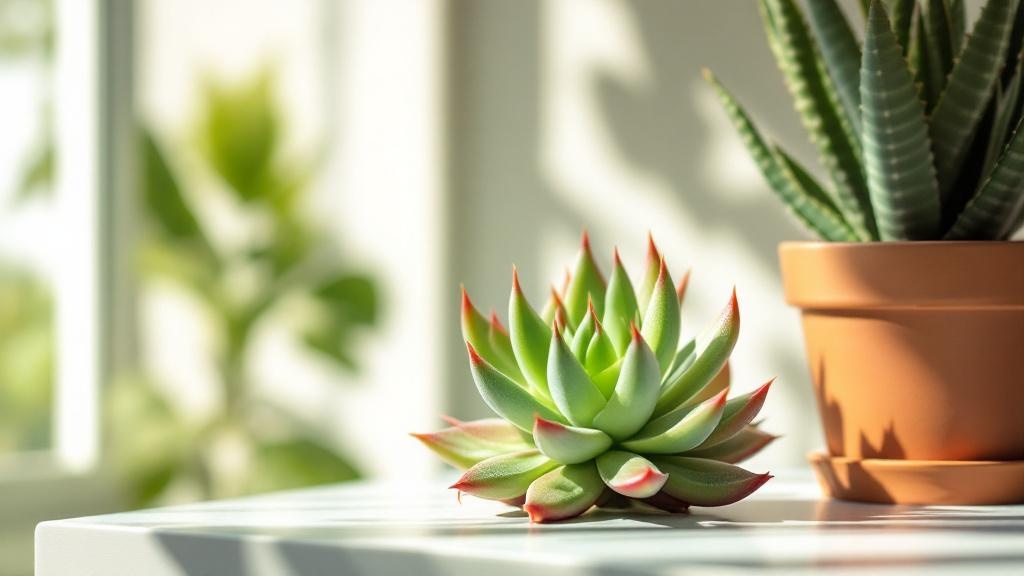
Houseleek (Sempervivum) is one of the most resilient succulents for temperate gardeners, thriving even in harsh conditions where other plants struggle. These compact rosettes are prized for their drought tolerance and ability to survive winters outdoors in USDA zones 5-8. The most common question: do they need any watering at all? The answer is yes, especially during establishment and dry spells.
Watering Your Houseleek
Houseleek is extremely drought-tolerant and prefers dry conditions. Water only during the first month after planting or during prolonged dry spells (more than 3 weeks without rain). Once established, outdoor plants need no supplemental watering except in severe droughts. Container-grown houseleeks may need watering every 2-3 weeks in summer if soil dries completely; err on the side of underwatering rather than overwatering.
Light Requirements
Houseleek demands full sun to maintain tight, compact rosettes and vibrant color. Plant in locations receiving at least 6 hours of direct sunlight daily; 8+ hours is ideal. In partial shade, rosettes become loose and elongated, and leaf colors fade. If grown indoors, place on a south-facing windowsill under grow lights for best results.
Soil and Repotting
Use fast-draining, gritty soil composed of compost, sand, and coarse gravel in a 1:1:1 ratio. Houseleek thrives in poor, infertile soil and actually struggles in rich compost. Repot container plants every 2-3 years in spring if they outgrow their space. Ensure pots have drainage holes; terracotta is ideal as it allows soil to dry quickly between waterings.
Temperature and Humidity
Houseleek is fully winter-hardy in temperate zones and requires cold dormancy to thrive. Rosettes become more colorful when exposed to frost in autumn and early winter. Humidity is irrelevant; low humidity is actually preferred. In summer, provide good air circulation to prevent rot in cool, damp regions like Northern Europe or the UK.
Fertilizing Your Houseleek
Houseleek rarely needs fertilizer. Feeding actually weakens the plant by promoting soft, water-laden growth at the expense of hardiness. If growing in containers for multiple years, apply a diluted cactus fertilizer once in late spring. Never fertilize in autumn or winter, as this disrupts the cold-hardening process essential for survival.
Common Problems and Solutions
Overwatering is the primary cause of root rot, especially in winter; reduce water frequency if leaves turn translucent or mushy. Powdery mildew and rust can occur in cool, humid summers; improve air circulation and remove affected rosettes promptly. Mealy bugs occasionally infest container plants; treat with horticultural soap or by hand-removing infested rosettes. Slugs may eat young leaves in spring; use copper tape or beer traps in damp regions.
Frequently asked questions
How often should I water houseleek?
Water only during the first 4 weeks after planting or during droughts exceeding 3 weeks without rain. Once established outdoors, houseleek needs no watering. Container plants may need watering every 2-3 weeks in summer if soil is bone-dry.
Can houseleek survive winter outdoors?
Yes, houseleek is fully hardy in USDA zones 5-8 and survives temperatures below -20°C. It requires winter dormancy to remain healthy and actually becomes more colorful after frost.
Why are my houseleek rosettes turning brown or red?
Color changes to bronze, red, or purple are a natural response to cold temperatures and intense sun, especially in autumn. This is healthy and indicates the plant is hardening for winter; do not be alarmed.
Is houseleek toxic to pets?
No, houseleek is completely safe for cats, dogs, and other pets. It is non-toxic and can be grown without worry in households with animals.
What soil should I use for potted houseleek?
Mix 1 part compost, 1 part coarse sand, and 1 part horticultural grit or perlite. Houseleek prefers poor, fast-draining soil and will rot in rich, moisture-retaining compost.