Blanket Flower
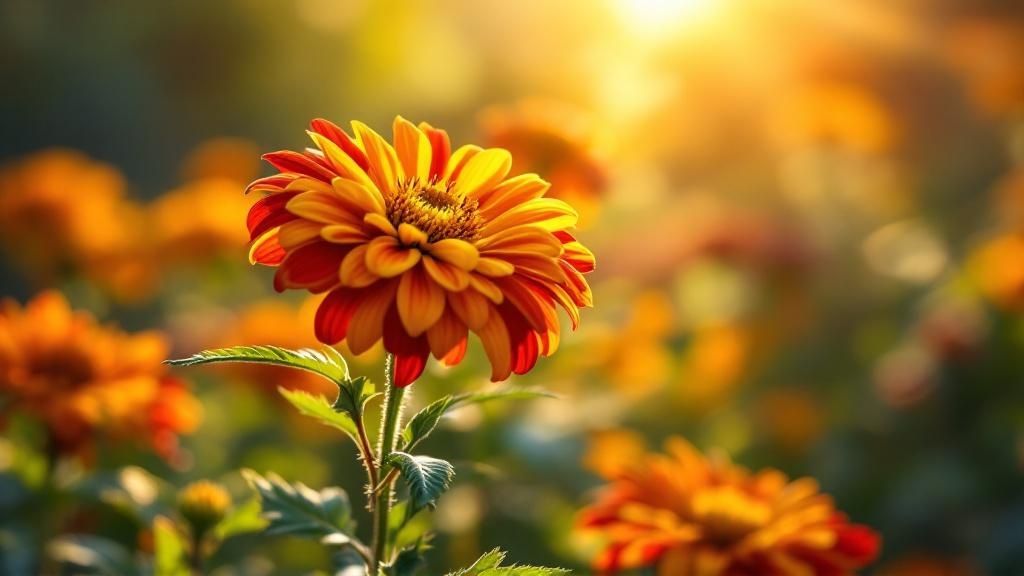
Blanket Flower is one of the most rewarding perennials for temperate gardens, offering months of vibrant, daisy-like blooms that attract bees and butterflies. Native to North American prairies, Gaillardia thrives in poor soils where fussier plants fail. The most common question gardeners ask is how to keep these cheerful flowers blooming all summer long. The answer lies in full sun, excellent drainage, and regular deadheading to encourage continuous flowering from early summer until the first autumn frosts.
Watering Your Blanket Flower Correctly
Water newly planted Gaillardia every 5-7 days during the first growing season to establish strong roots. Once established, Blanket Flower is remarkably drought-tolerant and typically needs watering only during extended dry spells lasting more than two weeks. Overwatering is the most common killer of Gaillardia, so always let soil dry completely between waterings. In temperate climates, natural rainfall is often sufficient from September through May.
Light Requirements for Maximum Blooms
Blanket Flower demands full sun with at least 6-8 hours of direct sunlight daily. In partial shade, plants become leggy, produce fewer flowers, and are more susceptible to fungal diseases. Position Gaillardia in south or west-facing borders where it will receive intense afternoon light. Even during cloudy UK or Northern European summers, choose the sunniest spot available for best results.
Soil and Repotting Needs
Gaillardia thrives in poor to average soil and actually performs worse in rich, fertile ground where it grows floppy and short-lived. Plant in sandy or gravelly soil with excellent drainage, ideally with a pH between 6.0 and 7.0. When growing in containers, use a gritty compost mix with added perlite or horticultural grit. Divide established clumps every 2-3 years in early April to maintain vigor and prevent center die-out.
Temperature and Humidity Preferences
Blanket Flower is fully hardy in USDA zones 3-10, easily surviving winters down to minus 30 degrees Celsius without protection. In temperate regions, cut back dead foliage in late November after frost kills the top growth. Gaillardia dislikes humid, stagnant air which promotes fungal problems, so ensure good air circulation between plants. A light mulch of gravel around the crown helps prevent winter rot in wet climates.
Fertilizing Blanket Flower
Gaillardia needs little to no fertilizer and actually blooms better in lean soil. If your soil is very poor, apply a light dose of balanced slow-release fertilizer in early May as new growth emerges. Avoid high-nitrogen feeds which promote leafy growth at the expense of flowers. Container-grown plants benefit from half-strength liquid feed once monthly from June through August.
Common Problems and Solutions
Powdery mildew appears as white patches on leaves during humid summers; improve air circulation and avoid overhead watering to prevent it. Aphids occasionally cluster on new growth in May and June, easily controlled with a strong water spray or insecticidal soap. Root rot is fatal and caused by waterlogged soil, particularly during wet winters; ensure sharp drainage and avoid mulching directly against the crown. Aster yellows, spread by leafhoppers, causes distorted growth and should be controlled by removing affected plants immediately.
Frequently asked questions
How often should I water Blanket Flower?
Water established Blanket Flower only during dry spells lasting more than two weeks. New plantings need weekly watering during their first growing season to develop strong roots. Once mature, Gaillardia is drought-tolerant and overwatering causes more problems than underwatering.
Why are my Blanket Flower leaves turning yellow?
Yellow leaves typically indicate overwatering or poor drainage causing root stress. Check that soil drains freely and reduce watering frequency. If yellowing affects only lower leaves in autumn, this is normal seasonal dieback before winter dormancy.
When does Blanket Flower bloom?
Blanket Flower blooms from June through October in temperate climates, providing nearly five months of color. Deadhead spent flowers weekly to encourage continuous blooming throughout the season. First-year plants from seed may not flower until their second summer.
Is Blanket Flower toxic to cats?
Blanket Flower is non-toxic to cats, dogs, and horses, making it a safe choice for pet-friendly gardens. All parts of the plant are considered harmless if accidentally ingested. However, eating large quantities of any plant material may cause mild digestive upset in pets.
Does Blanket Flower come back every year?
Blanket Flower is a short-lived perennial that typically lives 2-4 years in temperate gardens. It self-seeds readily, so new plants often appear to replace aging ones. Dividing clumps every 2-3 years in early April extends the lifespan of individual plants significantly.