Goldenrod
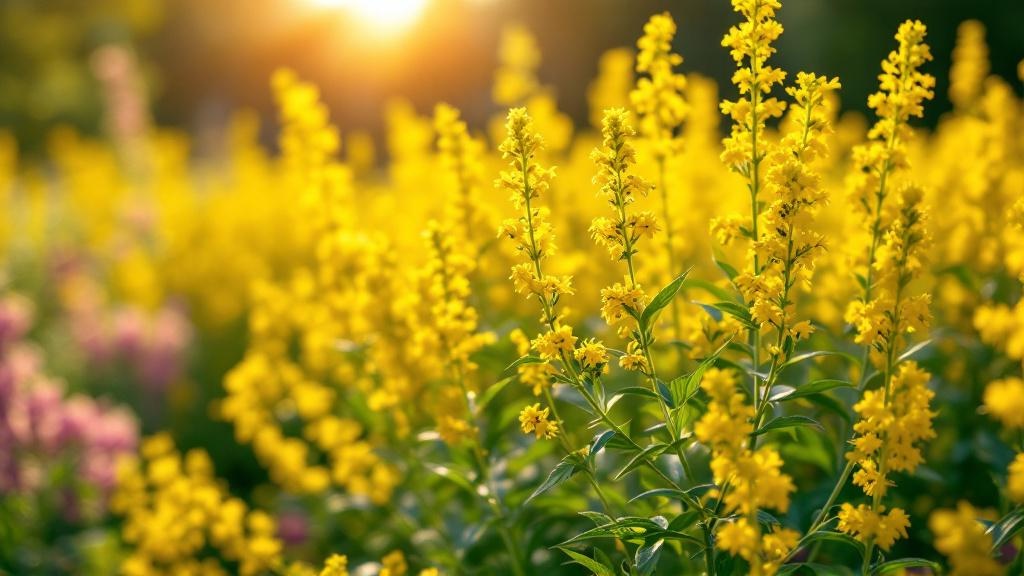
Goldenrod brings a blaze of golden-yellow color to gardens from late July through October, making it one of the most valuable late-season pollinator plants. Often unfairly blamed for hay fever (ragweed is the true culprit), this hardy perennial deserves a spot in every temperate garden. The most common question gardeners ask is whether goldenrod will spread aggressively, and the answer depends entirely on choosing the right variety and planting location.
Watering Your Goldenrod: Less Is More
Water newly planted goldenrod weekly during the first growing season to establish strong roots. Once established, goldenrod is remarkably drought-tolerant and typically needs watering only during extended dry spells lasting more than two weeks. Overwatering causes more problems than underwatering, leading to leggy growth and potential root rot. In average temperate summers, rainfall alone usually suffices for mature plants.
Light Requirements for Vibrant Blooms
Goldenrod performs best in full sun with at least 6 hours of direct sunlight daily. Plants grown in partial shade will bloom but tend to become leggy and may require staking. In hot Central European summers, afternoon shade can prevent leaf scorch without significantly reducing flowering. South or west-facing borders provide ideal conditions.
Soil and Repotting Needs
Goldenrod thrives in average garden soil and actually blooms better in lean conditions than rich, amended beds. Well-draining soil is essential; heavy clay should be improved with coarse sand or grit. Division every 3-4 years in early April or late September keeps clumps vigorous and prevents bare centers. Container-grown specimens need repotting every 2 years into slightly larger pots.
Temperature and Humidity Tolerance
Goldenrod is exceptionally cold-hardy, surviving winters down to minus 34 degrees Celsius without protection. Cut back stems to 10-15 centimeters in late November after frost has killed the foliage. The plant tolerates both humid and dry conditions, making it adaptable across temperate regions from the UK to Continental Europe. No special winter protection is needed in zones 5-8.
Fertilizing Schedule for Healthy Growth
Goldenrod rarely needs fertilizing; excessive nutrients produce lush foliage at the expense of flowers. A light application of balanced slow-release fertilizer in early April is sufficient for most gardens. For poor soils, a single application of compost around the base in spring provides adequate nutrition. Container plants benefit from diluted liquid feed monthly from May through July only.
Common Goldenrod Problems and Solutions
Powdery mildew appears as white patches on leaves during humid August weather; improve air circulation by thinning dense stands and avoid overhead watering. Goldenrod gall fly causes distinctive ball-shaped swellings on stems but rarely harms plant health; simply prune out affected stems in autumn. Aphids occasionally cluster on young growth in May and June; a strong water spray or treatment with insecticidal soap eliminates them quickly.
Frequently asked questions
Is goldenrod invasive in gardens?
Some goldenrod species spread aggressively by rhizomes, but many cultivated varieties are well-behaved clumpers. Choose compact cultivars like Solidago Fireworks or Little Lemon for controlled growth. These selections stay where you plant them and wont take over neighboring perennials.
Does goldenrod cause allergies and hay fever?
No, goldenrod does not cause hay fever despite blooming during allergy season. The true culprit is ragweed, which flowers simultaneously and releases abundant wind-borne pollen. Goldenrod pollen is heavy and sticky, carried by insects rather than wind, making it harmless to allergy sufferers.
When does goldenrod bloom?
Goldenrod typically blooms from late July through October in temperate climates. Peak flowering occurs in August and September, providing crucial late-season nectar for bees and butterflies preparing for winter. Deadheading spent blooms can extend the display by several weeks.
Why are my goldenrod leaves turning yellow?
Yellow leaves on goldenrod usually indicate overwatering or poor drainage causing root stress. Check that soil drains freely and reduce watering frequency. Lower leaf yellowing in late summer is natural as the plant directs energy toward flowering and can be ignored.
How do I stop goldenrod from spreading too much?
Contain spreading goldenrod by installing root barriers 30 centimeters deep around the planting area. Alternatively, grow plants in large buried containers with drainage holes to restrict rhizome spread. Dividing clumps every 2-3 years and removing unwanted shoots in spring also maintains control.