Blue Fescue
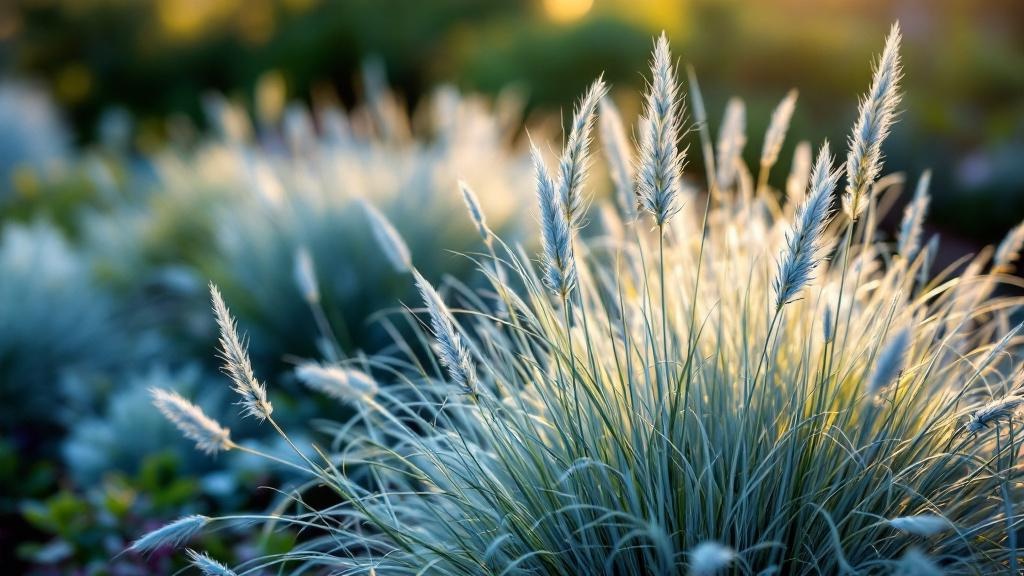
Blue Fescue brings year-round architectural interest to borders, rock gardens, and containers with its distinctive steel-blue mounded foliage. This hardy European native is one of the most searched ornamental grasses for good reason: gardeners want to know why their Blue Fescue turns brown in the center and how to keep that iconic silvery color vibrant. The answer lies in understanding its Mediterranean origins and adapting care to temperate conditions.
Watering Blue Fescue: Less Is More
Blue Fescue is remarkably drought-tolerant once established and actually suffers from overwatering. Water newly planted specimens weekly during the first growing season, then reduce to every 10-14 days or only during extended dry spells. In temperate climates, natural rainfall from October through April typically provides sufficient moisture. Always allow soil to dry completely between waterings to prevent root rot.
Light Requirements for Vibrant Blue Color
Full sun is non-negotiable for maintaining that signature blue coloration. Plant Blue Fescue where it receives at least 6 hours of direct sunlight daily. In partial shade, foliage becomes greener and the clump grows looser and less attractive. South or west-facing positions in UK and Northern European gardens produce the best results.
Soil and Repotting Needs
Blue Fescue thrives in poor, sharply draining soil and actually loses vigor in rich, fertile conditions. Amend heavy clay soils with coarse sand or fine gravel before planting. For containers, use a gritty cactus mix or blend standard potting soil 50/50 with perlite. Repot container specimens every 2-3 years in early April, dividing congested clumps at the same time.
Temperature and Humidity Tolerance
Fully hardy through USDA zones 4-8, Blue Fescue handles harsh winters without protection. However, it dislikes humid summers and wet winters, which cause center die-out. Ensure excellent drainage and air circulation, especially in areas with high rainfall. The grass remains semi-evergreen in milder winters but may brown in severe cold, recovering in late March.
Fertilizing: When Less Means More
Avoid fertilizing Blue Fescue entirely or apply only a light top-dressing of compost in early spring. Rich feeding produces lush green growth that flops open and loses the characteristic tight blue mound. If growth seems weak after several years, this indicates the clump needs division rather than feeding.
Common Problems and Solutions
Center die-out is the most frequent issue, caused by age, poor drainage, or humid conditions — divide clumps every 2-3 years in April to rejuvenate them. Rust fungus appears as orange pustules in wet summers; improve air circulation and remove affected foliage. Aphids occasionally colonize flower stems in June; blast them off with water or apply insecticidal soap if severe.
Frequently asked questions
Why is my Blue Fescue turning brown in the middle?
Center die-out occurs naturally as clumps age and become congested. Divide your Blue Fescue every 2-3 years in early spring, discarding the dead center and replanting vigorous outer sections. Poor drainage and humid conditions accelerate this problem.
How often should I water Blue Fescue?
Water established Blue Fescue only every 10-14 days during dry periods, or not at all if rainfall is adequate. This Mediterranean native is highly drought-tolerant and suffers more from overwatering than underwatering. Newly planted specimens need weekly water during their first summer only.
When should I cut back Blue Fescue?
Cut back Blue Fescue in late February to early March before new growth emerges. Use scissors or shears to trim the entire clump to about 5-7cm from the ground. This removes tatty winter foliage and encourages fresh, vibrant blue growth.
Is Blue Fescue toxic to cats and dogs?
No, Blue Fescue is completely non-toxic to cats, dogs, and other pets. It is a safe choice for gardens where animals roam freely. The tough foliage is generally unpalatable to pets anyway.
Does Blue Fescue spread or stay in a clump?
Blue Fescue grows in tight, neat clumps and does not spread aggressively via runners. Individual clumps slowly expand to about 25-30cm wide over several years. It may self-seed lightly in ideal conditions but is not considered invasive in temperate gardens.