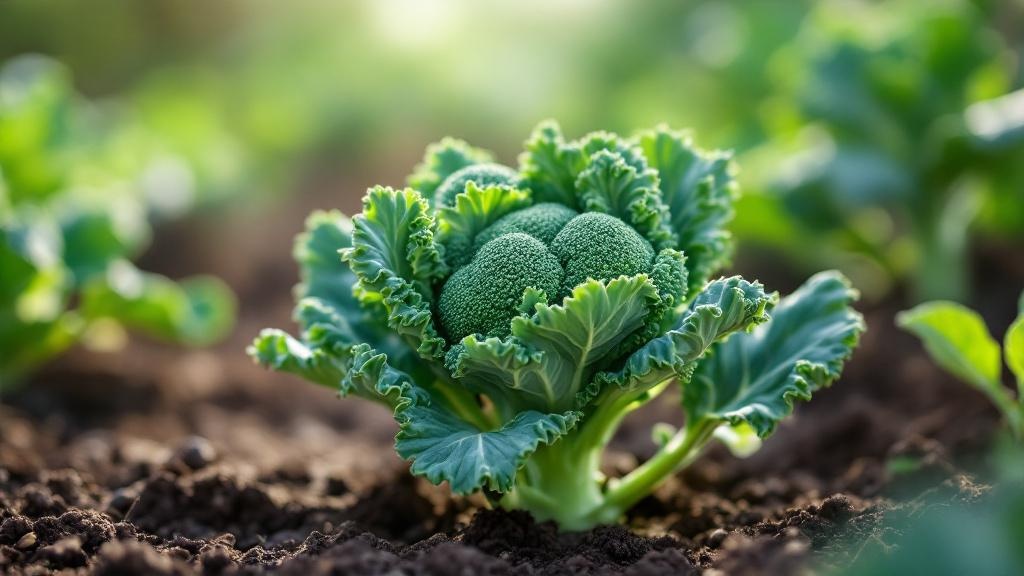
Broccoli
Broccoli is one of the most rewarding vegetables to grow at home, packed with nutrients and far fresher than store-bought. However, many gardeners struggle with timing, bolting, and pests like cabbage worms. Whether you're starting from seed indoors or transplants, understanding your regional growing season is essential for a successful harvest in temperate climates like Central Europe and the UK.
Watering Broccoli Consistently
Broccoli needs steady moisture throughout its growing season—aim for 1 to 1.5 inches of water per week through rainfall or irrigation. Water deeply at the base of plants in early morning to reduce disease risk and keep soil consistently moist but not waterlogged. During dry spells in summer, you may need to water every 3-4 days. Mulching with 2-3 inches of compost or straw helps retain soil moisture and regulates temperature, especially important during the warmer parts of the growing season.
Light Requirements for Healthy Growth
Broccoli performs best in full sun with at least 6-8 hours of direct sunlight daily. In cooler regions (USDA zones 5-6), maximum sun exposure helps plants develop stronger heads. In hotter zones or during late summer, afternoon shade can prevent bolting and extend your harvest window. If growing indoors before transplanting, provide 12-16 hours of bright artificial light to develop sturdy seedlings.
Soil Preparation and Spacing
Broccoli thrives in rich, well-draining loam with a pH between 6.0 and 7.5. Amend garden beds with 2-3 inches of compost or aged manure before planting to boost nitrogen content and organic matter. Space transplants 18-24 inches apart and rows 24-30 inches apart to allow air circulation and reduce fungal disease. Avoid planting in the same spot for more than 2 years to prevent soil-borne diseases; practice crop rotation with non-brassicas.
Temperature and Humidity Management
Broccoli is a cool-season crop that grows best between 60-70°F and becomes stressed above 75°F. In temperate zones, plant spring crops in late March to April and summer crops in July-August for fall harvests. Frost actually improves flavor by converting sugars; young plants can tolerate temperatures down to 29°F. Ensure good air circulation around plants to prevent powdery mildew and other fungal issues common in humid European climates.
Feeding and Nutrient Management
Apply a balanced fertilizer (10-10-10 or 5-5-5) every 3-4 weeks once plants are established, starting 2 weeks after transplanting. Side-dress with compost or use diluted liquid fish emulsion to support rapid head development. Nitrogen is especially important for strong green growth; avoid over-feeding with phosphorus and potassium, which can promote flowering rather than head production. Stop fertilizing 2-3 weeks before expected harvest to concentrate flavors.
Common Pests and Disease Prevention
Cabbage white butterflies and their larvae (cabbage worms) are the most destructive pests in temperate gardens—use fine netting or insect cloth to exclude them from June onward. Flea beetles may cause small holes in seedling leaves; control with row covers until plants are established. Powdery mildew and clubroot disease are common in cool, humid regions; prevent by spacing plants widely, avoiding overhead watering, and rotating crops. Hand-pick larger worms or use Bacillus thuringiensis (Bt) spray as an organic control.
Frequently asked questions
How long does broccoli take to grow from seed?
Broccoli takes 55-100 days from seed to harvest depending on variety, starting method, and temperature. Starting seeds indoors 4-6 weeks before your last spring frost typically results in a 60-70 day timeline to harvest. Succession planting every 2-3 weeks ensures a continuous crop throughout the cool season.
Why is my broccoli bolting and flowering too early?
Early bolting usually results from heat stress, inconsistent watering, or planting during the wrong season. Broccoli bolts when temperatures exceed 75°F for extended periods. Ensure consistent moisture, provide afternoon shade during hot spells, and time plantings for spring (March-April) or late summer (July-August) in temperate zones to avoid peak summer heat.
Can I grow broccoli in containers or pots?
Yes, broccoli grows well in containers at least 5 gallons in size with drainage holes and quality potting soil. Container growing gives you flexibility to move plants for shade during hot weather and allows better drainage control. Use one plant per 5-gallon container, keep soil consistently moist, and fertilize every 3-4 weeks since containers lose nutrients faster than garden beds.
When should I harvest broccoli heads?
Harvest the main central head when it reaches 4-8 inches in diameter and the buds are tightly closed and green, typically 60-70 days after transplanting. Cut the head with 6 inches of stalk attached using a sharp knife. After cutting, most varieties produce smaller side shoots that can be harvested for 2-4 weeks, extending your yield significantly.
Is broccoli safe for dogs and cats?
Broccoli is safe for dogs and cats in small amounts as an occasional treat, though some pets find it unpalatable. The vegetable is non-toxic and actually nutritious, but avoid giving large quantities as it can cause digestive upset. Remove any pesticides by washing thoroughly, and serve raw or lightly steamed without added salt or seasonings.
🩺 Common diseases and pests
These problems commonly affect this plant. Click any to see full symptom descriptions, organic and chemical treatment, and prevention.