Pak Choi
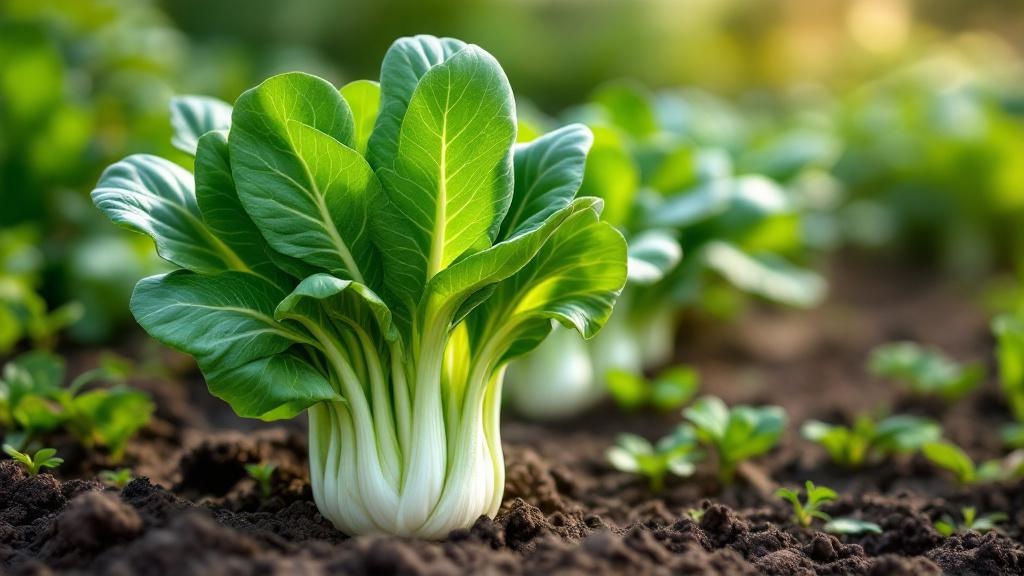
Pak choi, also called bok choy, is one of the fastest and most rewarding vegetables you can grow in a temperate garden. Home gardeners most often search for when to plant pak choi to avoid bolting, the frustrating tendency of this crop to flower prematurely in warm weather. With proper timing and basic care, you can harvest crisp, mild-flavored leaves from March through November, making it ideal for succession planting and extending your growing season.
Watering Your Pak Choi for Tender Leaves
Pak choi needs consistent moisture to develop crisp, juicy stems and prevent bitterness. Water every 2-3 days in dry weather, or daily during summer heat waves, aiming for about 25mm per week total. Mulch around plants with straw or compost to retain soil moisture. Inconsistent watering causes tough, fibrous stems and triggers early bolting.
Light Requirements for Optimal Growth
Plant pak choi in full sun during spring and autumn for fastest growth, providing 6 or more hours of direct light daily. In summer, partial shade is actually beneficial and helps prevent bolting when temperatures climb above 20°C. An east-facing bed that receives morning sun but afternoon shade works perfectly for midsummer sowings.
Soil Preparation and Transplanting
Pak choi thrives in rich, well-draining soil with a pH between 6.0 and 7.0. Work in generous amounts of well-rotted compost or aged manure before planting. Space plants 15-20cm apart for baby leaves or 30cm for full-sized heads. Direct sow seeds 1cm deep or transplant seedlings after the last hard frost, typically late March in most temperate regions.
Temperature and Seasonal Timing
Pak choi is a cool-season crop that performs best between 10-20°C. Sow in early spring from late March onwards, then pause during hot summer months and resume in August for autumn harvests. Mature plants tolerate light frosts down to minus 3°C, which actually sweetens the flavor. Cover with fleece if temperatures drop below minus 5°C.
Fertilizing for Leafy Growth
Apply a balanced vegetable fertilizer or well-rotted compost at planting time. Side-dress with a nitrogen-rich feed like blood meal or diluted nettle tea every 2-3 weeks during active growth. Avoid over-fertilizing, which can attract aphids and produce leggy, weak plants. Container-grown pak choi benefits from weekly liquid feeds at half strength.
Common Problems and Pest Management
Flea beetles are the most common pest in temperate gardens, creating tiny holes in leaves from April onwards. Cover seedlings with fine mesh or fleece immediately after planting. Slugs and snails attack young plants, especially in wet springs. Use beer traps, wool pellets, or evening patrols to control them. Clubroot can affect pak choi in acidic soils, so rotate brassica crops annually and lime soil if pH drops below 6.0.
Frequently asked questions
How often should I water pak choi?
Water pak choi every 2-3 days to maintain consistent soil moisture. This fast-growing vegetable needs about 25mm of water weekly. Inconsistent watering leads to tough stems and premature bolting.
Why is my pak choi bolting and flowering?
Pak choi bolts when exposed to temperatures above 20-22°C or during long summer days. To prevent bolting, sow in early spring or late summer, choose bolt-resistant varieties, and provide afternoon shade during warm spells.
When can I harvest pak choi?
Harvest pak choi 45-60 days after sowing when heads are firm and compact. You can pick baby leaves as early as 21 days for salads. Cut the whole head at soil level or harvest outer leaves individually for cut-and-come-again cropping.
Is pak choi frost tolerant?
Yes, mature pak choi tolerates light frosts down to minus 3°C. Frost actually improves flavor by converting starches to sugars. Protect plants with fleece if temperatures drop below minus 5°C or if hard freezes are forecast.
Can I grow pak choi in pots?
Yes, pak choi grows excellently in containers at least 15cm deep. Use quality multipurpose compost, keep soil consistently moist, and feed weekly with liquid fertilizer. Containers are ideal for balconies and small gardens.