Rattlesnake Plant
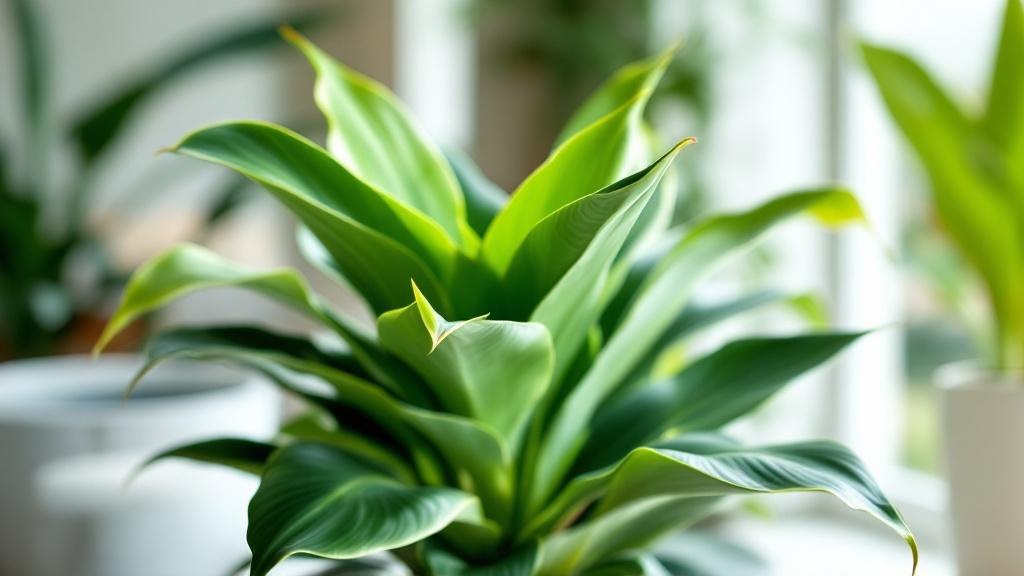
Calathea lancifolia, commonly called the Rattlesnake Plant, is prized for its dramatic spotted foliage and graceful upright growth. Named for the rattlesnake-like pattern on its leaves, this tropical houseplant brings bold visual interest to any indoor space. The biggest challenge most gardeners face is maintaining the humidity and water balance it craves, especially during dry European winters.
Watering Your Rattlesnake Plant
Water when the top 1-2 cm of soil feels dry to the touch—typically every 7-10 days in spring and summer, reducing to every 10-14 days in autumn and winter. Use filtered or distilled water when possible, as Calatheas are sensitive to chlorine and fluoride found in tap water, which can cause brown leaf tips. Never let the soil dry out completely or become waterlogged; both conditions stress the plant. In heated European homes during winter, check soil moisture more frequently as indoor air becomes drier.
Light Requirements for Healthy Growth
Place your Rattlesnake Plant in bright, indirect light—a spot near an east or north-facing window is ideal. Avoid direct sun, which can fade the leaf markings and scorch the foliage. In winter (November to March), when daylight hours are short in temperate zones, move the plant slightly closer to a window to maximize available light. If leaves become pale or growth slows significantly, insufficient light is likely the culprit; artificial grow lights can help supplement during darker months.
Soil & Repotting
Use a well-draining, peat-rich potting mix—a blend of peat moss, orchid bark, and perlite works well. Repot every spring (late March to April) into a container only 2-3 cm larger than the current one to prevent waterlogging. Ensure the pot has drainage holes to allow excess water to escape. Calatheas prefer slightly tight quarters, so avoid oversizing the container.
Temperature & Humidity
Maintain temperatures between 18-24°C; Rattlesnake Plants struggle below 15°C and are sensitive to temperature fluctuations and cold drafts. High humidity is essential—aim for 50-60% or higher to prevent leaf edges from browning. Mist the foliage every 2-3 days with distilled water, place on a humidity tray with pebbles, or group plants together to create a more humid microclimate. In temperate homes with central heating, autumn and winter humidity drops dramatically, so these measures become critical from October onwards.
Fertilizing Your Rattlesnake Plant
Feed with a balanced, diluted liquid fertilizer (half-strength) every 4 weeks during the growing season (April to September). Reduce feeding in autumn and stop entirely from November to March when growth naturally slows. Over-fertilizing can damage the delicate foliage and lead to salt buildup in the soil. If the plant is not visibly growing, skip feeding rather than increasing it.
Common Problems & Solutions
Brown leaf tips and margins are the most frequent issue, caused by low humidity, tap water minerals, or inconsistent watering. Yellow leaves often indicate overwatering or cold temperatures; reduce watering frequency and ensure the plant stays above 18°C. Spider mites occasionally appear in dry indoor air (especially from December to February); mist more frequently or treat with neem oil spray if you notice fine webbing. Root rot can develop quickly in overly wet soil; always allow excess water to drain and adjust your watering schedule if soil stays soggy.
Frequently asked questions
How often should I water a Rattlesnake Plant?
Water every 7-10 days in spring and summer when the top 1-2 cm of soil feels dry, reducing to every 10-14 days in autumn and winter. Use distilled or filtered water to avoid chlorine damage and brown leaf tips.
Why are my Rattlesnake Plant leaves turning yellow?
Yellow leaves usually indicate overwatering, poor drainage, or temperatures below 18°C. Check that your soil is not soggy, ensure the pot has drainage holes, and keep the plant away from cold windows and drafts during winter.
What light does a Calathea lancifolia need?
Rattlesnake Plants need bright, indirect light—an east or north-facing window is perfect. Avoid direct sun, which fades leaf markings, and supplement with grow lights in winter if natural daylight is limited in your region.
How do I increase humidity for my Rattlesnake Plant?
Mist foliage every 2-3 days with distilled water, place the pot on a humidity tray filled with pebbles and water, or group plants together to trap moisture. These measures are especially important from October to March when indoor heating dries the air in European homes.
Is Rattlesnake Plant toxic to cats and dogs?
No, Calathea lancifolia is non-toxic to cats, dogs, and other pets, making it a safe choice for households with animals.