Bluebeard
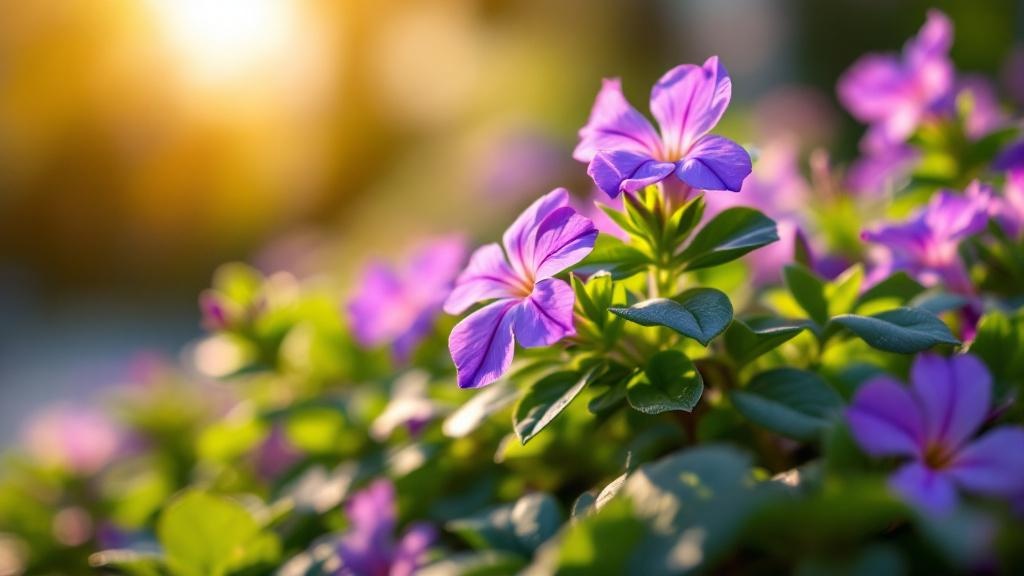
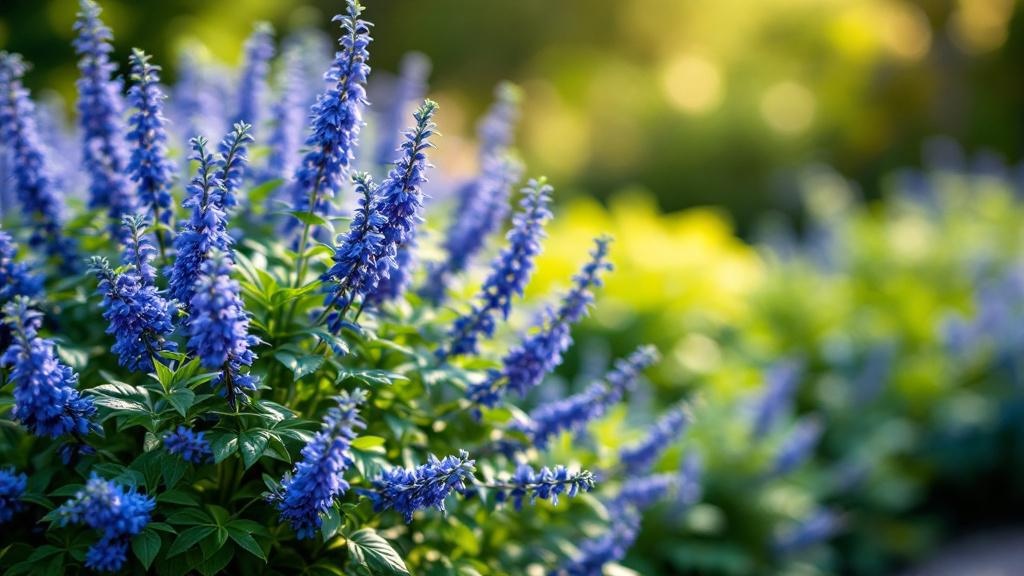
Bluebeard earns its place in temperate gardens by blooming when most summer flowers have faded. From late August through October, its clusters of vivid blue-purple flowers provide essential nectar for bees and butterflies preparing for winter. The most common question gardeners ask is whether Bluebeard survives cold winters — and the answer is yes, with proper late-spring pruning. This aromatic shrub combines silvery-green foliage with reliable performance in challenging conditions.
Watering Your Bluebeard: Less Is More
Water newly planted Bluebeard weekly for the first growing season to establish deep roots. Once established, this Mediterranean-origin shrub is remarkably drought-tolerant and only needs supplemental water during extended dry spells exceeding 2-3 weeks. Overwatering causes root rot and leggy growth, so always let soil dry between waterings. In typical temperate summers, established plants rarely need irrigation.
Light Requirements for Maximum Blooms
Bluebeard demands full sun — at least 6 hours of direct sunlight daily — to produce abundant flowers and maintain compact growth. Plants grown in partial shade become leggy with sparse blooms and are more susceptible to fungal issues. South or west-facing positions work best in temperate gardens. The silvery foliage actually intensifies in full sun exposure.
Soil and Repotting Needs
Plant Bluebeard in lean, well-draining soil; rich soil produces excessive foliage at the expense of flowers. Sandy or gravelly soils work perfectly, and adding grit to heavy clay improves drainage. This shrub tolerates alkaline to slightly acidic conditions (pH 6.0-8.0). Container-grown plants need repotting every 2-3 years in spring using a gritty compost mix.
Temperature and Humidity Tolerance
Bluebeard thrives in USDA zones 5-8 and handles temperatures down to minus 20 degrees Celsius once established. In colder areas (zone 5), apply a 10cm mulch layer around the base after the first hard frost in November. The shrub often dies back to ground level in harsh winters but regrows vigorously from the roots in spring. It tolerates both humid and dry summer conditions without complaint.
Fertilizing for Healthy Growth
Bluebeard performs best with minimal feeding — excessive fertilizer produces weak, floppy growth. Apply a light dose of balanced slow-release fertilizer (10-10-10) once in late April as new growth emerges. Alternatively, a thin layer of compost around the base provides sufficient nutrition. Avoid high-nitrogen feeds which encourage leaves over flowers.
Common Problems and Solutions
Powdery mildew occasionally affects Bluebeard during humid late summers; improve air circulation by thinning crowded stems and avoid overhead watering. Root rot from waterlogged soil is the most common killer — ensure sharp drainage and never mulch against the stems. Spider mites may appear during hot, dry spells; a strong water spray dislodges them, or use insecticidal soap if infestations persist. Rabbit damage can occur on young plants in rural areas; use wire guards until established.
Frequently asked questions
How often should I water Bluebeard?
Water established Bluebeard only during droughts lasting more than 2-3 weeks. New plants need weekly watering during their first growing season to develop strong roots. This shrub evolved in dry Mediterranean conditions and suffers more from overwatering than underwatering.
When should I prune Bluebeard?
Prune Bluebeard hard in late March to mid-April, cutting stems back to 15-30cm from the ground. This shrub blooms on new wood, so spring pruning encourages vigorous flowering shoots. Avoid autumn pruning as it can reduce winter hardiness.
Why is my Bluebeard not flowering?
Insufficient sunlight is the most common cause of poor flowering in Bluebeard. Plants need minimum 6 hours of direct sun daily. Other causes include over-fertilizing with nitrogen, pruning too late in the season, or excessively rich soil that promotes foliage over blooms.
Is Bluebeard toxic to cats and dogs?
No, Bluebeard is non-toxic to cats, dogs, and other pets. This makes it an excellent choice for gardens where animals roam freely. The aromatic foliage is naturally unappealing to most animals anyway.
Does Bluebeard come back every year?
Yes, Bluebeard is a reliable perennial shrub in zones 5-8. In colder winters it may die back to the roots but regrows strongly each spring. With proper late-March pruning and winter mulching in exposed sites, expect 10-15 years of reliable performance.