Pawpaw
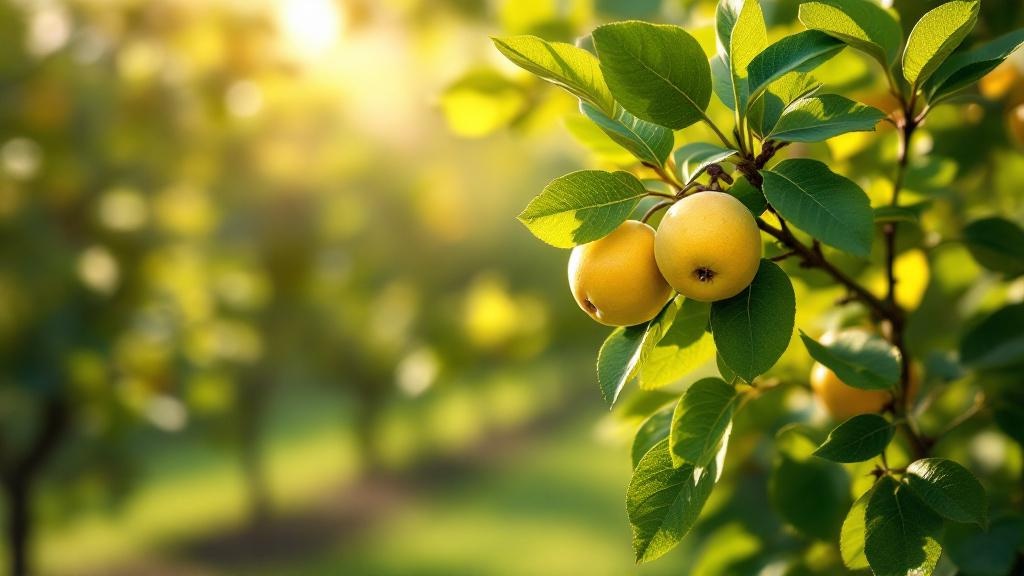
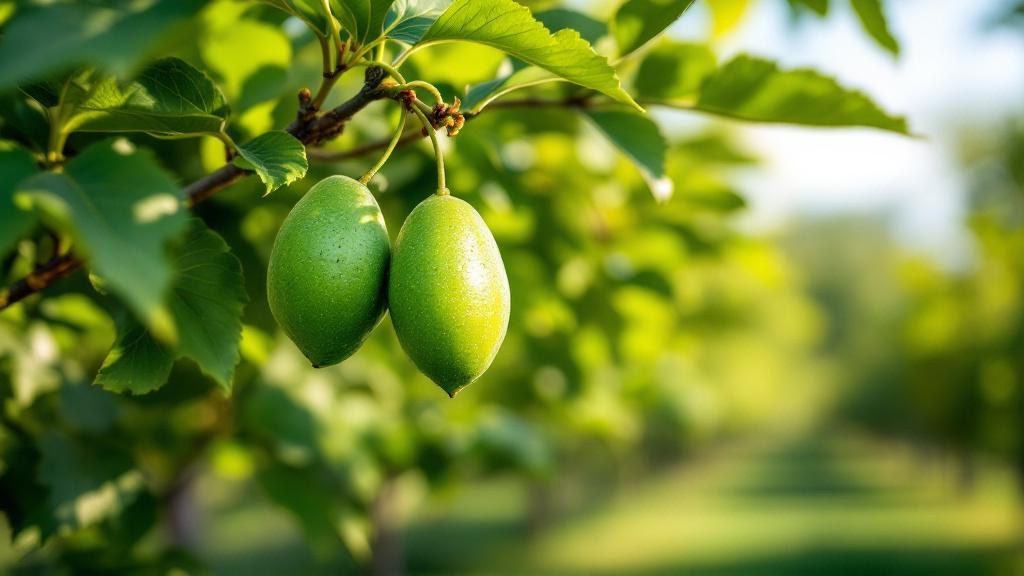
The pawpaw tree produces creamy, custard-like fruit often described as a blend of banana, mango, and melon — remarkable for a tree that survives winters down to minus 25 degrees Celsius. The most common question gardeners ask is whether pawpaws can fruit in cooler climates, and the answer is a resounding yes. Native to eastern North America, this understory tree is perfectly adapted to temperate gardens and is gaining popularity across Central Europe and the UK as a unique edible landscape plant.
Watering Your Pawpaw Tree Correctly
Young pawpaw trees need consistent moisture, requiring deep watering every 7-10 days during their first two growing seasons. Established trees are more drought-tolerant but produce better fruit with regular watering during dry summer spells. Water deeply in the morning to allow foliage to dry before evening, reducing fungal risk. Reduce watering gradually from late September as the tree prepares for dormancy.
Light Requirements for Healthy Growth
Pawpaw seedlings naturally grow in forest understory conditions and need shade protection for their first two years. Mature trees fruit best with at least 6 hours of direct sunlight daily, though they tolerate partial shade. In hot summers, afternoon shade prevents leaf scorch. When planting, consider that full sun exposure significantly increases fruit production once trees are established.
Soil Preparation and Transplanting
Pawpaws thrive in deep, fertile, slightly acidic soil with a pH between 5.5 and 7.0. Amend heavy clay soils with generous organic matter before planting to ensure good drainage, as pawpaws cannot tolerate waterlogged roots. Plant container-grown trees in early spring (late March to April) or autumn (October) when dormant. Handle the long taproot carefully during transplanting, as root disturbance significantly sets back growth.
Temperature Tolerance and Winter Care
Pawpaw trees are remarkably cold-hardy, surviving winter temperatures down to minus 25 degrees Celsius once established. However, late spring frosts in April and May can damage flowers and reduce fruit set. In frost-prone areas, plant on north-facing slopes or near buildings where trees bloom slightly later. Young trees benefit from winter mulching around the root zone during their first three winters.
Feeding Schedule for Fruit Production
Apply a balanced organic fertilizer (such as 10-10-10) in early April as buds begin swelling, using roughly 500 grams per year of tree age up to 2 kilograms maximum. A second lighter application in late May supports fruit development. Avoid high-nitrogen feeds after July, as this encourages soft growth vulnerable to winter damage. Annual mulching with well-rotted compost in spring provides steady nutrients and maintains soil moisture.
Common Pawpaw Problems and Solutions
Pawpaw peduncle borer is the most significant pest, with larvae tunneling into flower stems and causing blossom drop — remove and destroy affected flowers in May. Phyllosticta leaf spot causes brown patches in humid summers; improve air circulation by thinning overcrowded branches in late winter. Poor fruit set is usually a pollination issue: pawpaws need cross-pollination from a genetically different tree, so plant at least two different cultivars within 10 meters of each other.
Frequently asked questions
How long does it take for a pawpaw tree to bear fruit?
Pawpaw trees typically begin fruiting 5-7 years after planting from seed, or 3-4 years for grafted cultivars. Trees need to reach about 2 meters tall before flowering. Patience is essential, but grafted varieties like Sunflower or Prima significantly shorten the wait.
Do I need two pawpaw trees to get fruit?
Yes, you need at least two genetically different pawpaw trees for successful pollination. Pawpaws are not self-fertile, meaning a single tree or clones of the same cultivar will not produce fruit. Plant two different named cultivars within 10 meters for reliable cross-pollination.
Why are my pawpaw leaves turning yellow?
Yellow pawpaw leaves typically indicate overwatering, poor drainage, or iron chlorosis in alkaline soils. Check that soil drains well and water only when the top 5 centimeters feel dry. If your soil pH is above 7.0, apply chelated iron or sulfur to lower pH and restore green foliage.
When do pawpaw trees produce fruit in Europe?
Pawpaw trees flower in late April to May and fruit ripens from mid-September through October in temperate European climates. Harvest when fruits yield slightly to gentle pressure and develop a fragrant aroma. Ripe pawpaws bruise easily and last only 3-5 days at room temperature.
Can pawpaw trees grow in the UK climate?
Yes, pawpaw trees grow successfully throughout most of the UK, particularly in southern and central England. They tolerate British winters well but may struggle with fruit ripening in cooler northern regions or after particularly cloudy summers. Choose early-ripening cultivars like Prima for best results in cooler areas.