Welsh Onion
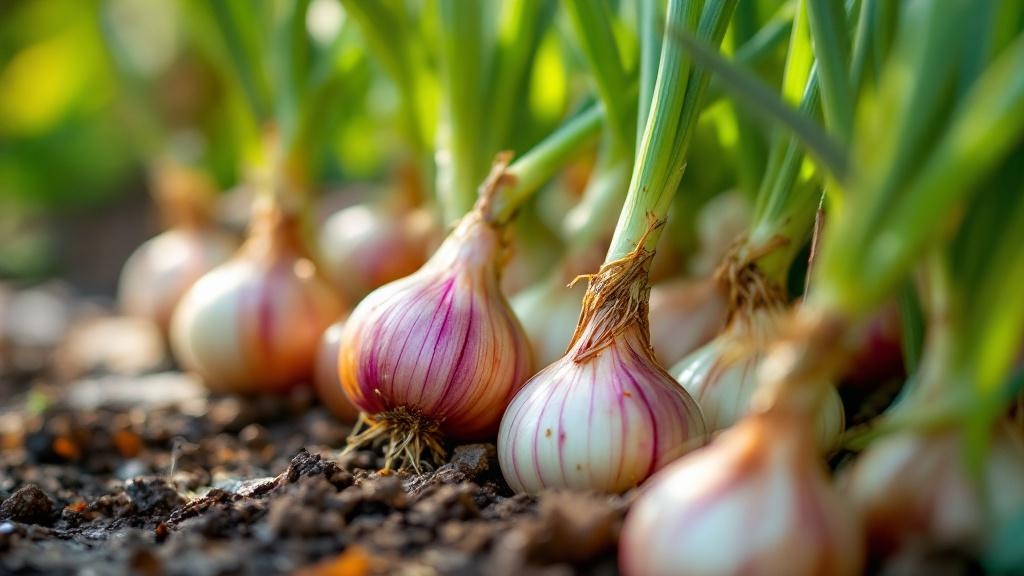
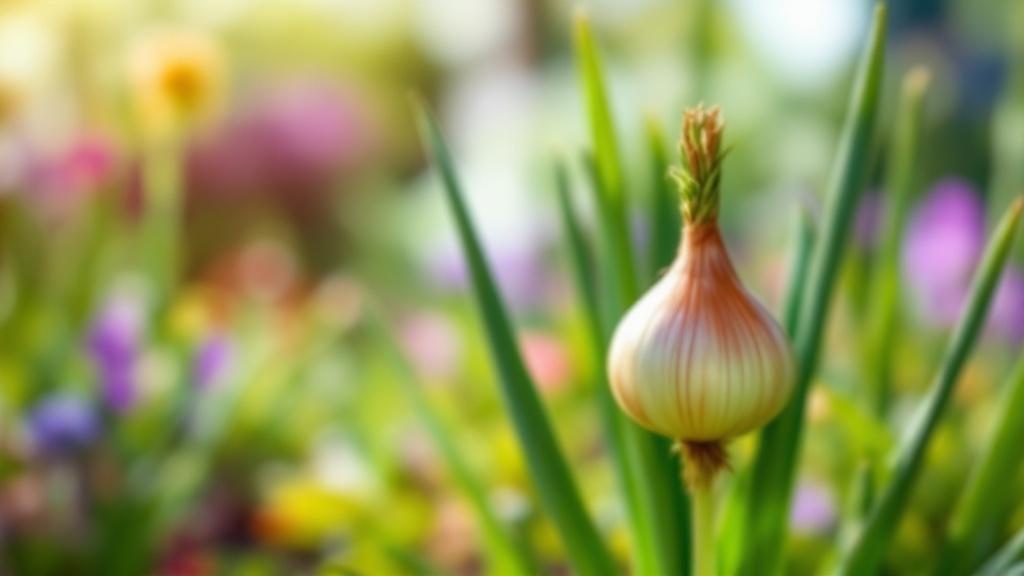
Welsh onion, also called bunching onion or spring onion, is one of the most reliable perennial vegetables for temperate gardens. Unlike common onions, it grows in clumps that multiply each year and can be harvested continuously without replanting. The most common question gardeners search for is whether Welsh onions survive winter outdoors — the answer is a resounding yes, making them perfect for USDA zones 5-8 where they thrive through harsh winters and return vigorously each March.
Watering Welsh Onions for Best Growth
Water Welsh onions deeply once per week during active growth from April through October, allowing the top 3cm of soil to dry between waterings. In hot summer periods above 25°C, increase to twice weekly. Reduce watering significantly from November to February when plants are semi-dormant — natural rainfall is usually sufficient in UK and Central European climates. Overwatering in winter causes root rot, the primary killer of otherwise indestructible Welsh onions.
Light Requirements for Healthy Welsh Onions
Welsh onions perform best in full sun with 6-8 hours of direct light daily, which produces the strongest flavour and thickest stems. They tolerate partial shade remarkably well, making them suitable for spots that receive only 4-5 hours of morning sun. In hot continental summers common in Central Europe, afternoon shade actually benefits the plants by preventing premature bolting. Avoid deep shade, which produces weak, floppy growth prone to fungal issues.
Soil and Repotting Welsh Onions
Plant Welsh onions in fertile, well-draining soil with a pH between 6.0 and 7.0. Amend heavy clay soils with compost and horticultural grit to improve drainage — waterlogged roots rot quickly. For container growing, use a 20cm deep pot minimum with standard vegetable compost. Divide and replant clumps every 3-4 years in early September or late March to maintain vigour and prevent overcrowding.
Temperature and Humidity Needs
Welsh onions are exceptionally cold-hardy, surviving temperatures down to -20°C without protection in zones 5-8. They emerge from dormancy in late February to early March when soil temperatures reach 5°C. Summer heat up to 35°C is tolerated but growth slows significantly above 28°C. Humidity is rarely an issue in temperate climates, though good air circulation prevents fungal problems during damp autumn weather.
Fertilizing Schedule for Welsh Onions
Apply a balanced granular fertiliser (such as blood, fish, and bone meal) in early April as new growth emerges, at roughly 50g per square metre. Side-dress with compost or well-rotted manure in June for continuous harvesting. Avoid high-nitrogen feeds after August, which promotes soft growth vulnerable to winter damage. Container-grown plants benefit from liquid tomato feed every 3 weeks during the growing season.
Common Problems with Welsh Onions
Onion white rot appears as yellowing leaves and fluffy white fungus at the base — remove and destroy affected plants immediately and avoid planting alliums in that spot for 8 years. Allium leaf miner, increasingly common in UK and Northern Europe since 2002, creates brown tunnels in leaves from March to April and again in October; cover plants with fine mesh netting during these periods. Rust shows as orange pustules on leaves in humid weather — improve air circulation and remove affected foliage promptly.
Frequently asked questions
How often should I water Welsh onions?
Water Welsh onions once per week during the growing season, allowing soil to dry slightly between waterings. Increase to twice weekly during hot spells above 25°C. In winter, rainfall alone is typically sufficient in temperate climates.
Can Welsh onions survive winter outdoors?
Yes, Welsh onions are fully winter hardy to -20°C and survive outdoors year-round in USDA zones 5-8 without protection. They die back partially in late November but regrow vigorously from late February. A light mulch of straw helps in extremely exposed gardens.
Why are my Welsh onion leaves turning yellow?
Yellow Welsh onion leaves usually indicate overwatering, poor drainage, or onion white rot fungal infection. Check soil moisture first — it should be damp but never soggy. If you notice white fluffy growth at the plant base, remove affected plants immediately to prevent spread.
When can I harvest Welsh onions?
You can harvest Welsh onion greens year-round once plants are established, typically 60 days after planting. Cut outer leaves at soil level, leaving the central growing point intact for continuous production. Harvest entire stems for traditional spring onion use from April through October.
Are Welsh onions toxic to cats?
No, Welsh onions are not toxic to cats in small amounts, though all alliums can cause mild gastrointestinal upset if pets eat large quantities. The strong smell typically deters cats from nibbling. If your cat frequently eats garden plants, consider a protective barrier around your vegetable patch.