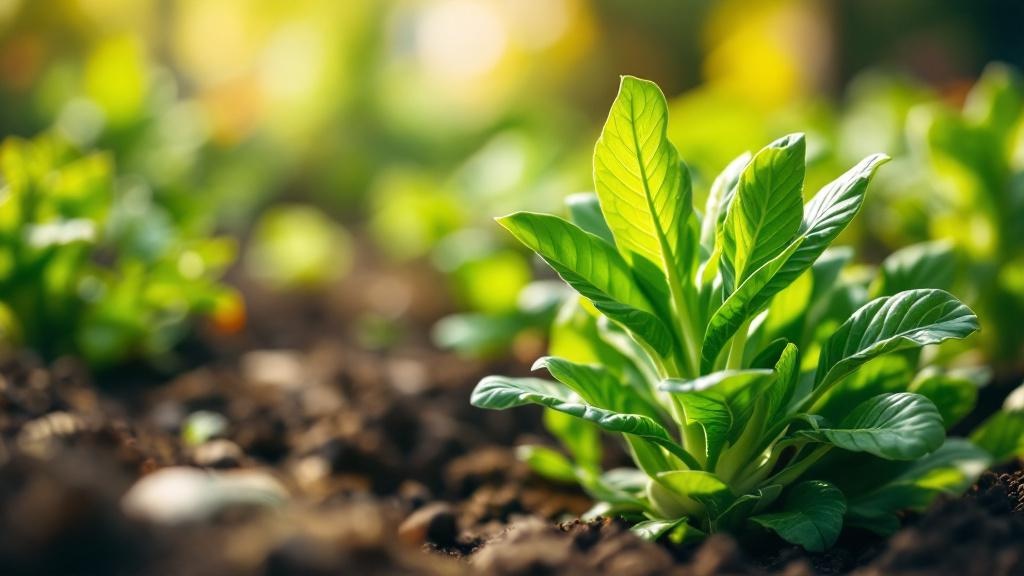
Borage
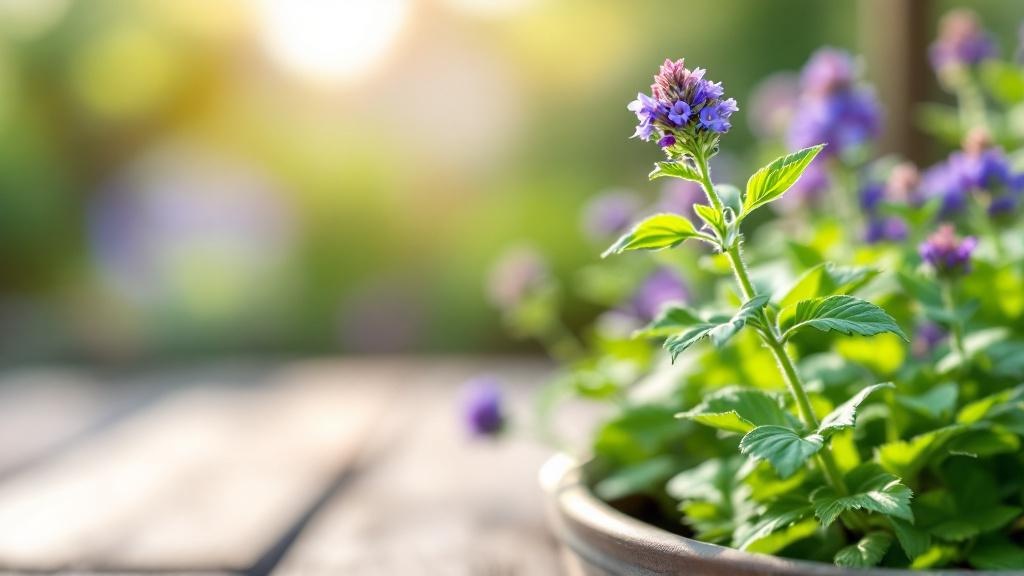
Borage is one of the easiest herbs to grow and one of the most rewarding for pollinators. Its vivid blue flowers bloom from June through September, drawing bees and beneficial insects to your garden. The most common question gardeners ask is whether borage will take over the garden — and the answer is yes, it self-seeds enthusiastically, but unwanted seedlings pull out easily in spring. Once you understand its simple needs, borage practically grows itself.
Watering Your Borage: Finding the Right Balance
Water borage deeply once a week during dry periods, allowing the soil to dry slightly between waterings. Established plants are fairly drought-tolerant but produce more tender leaves with consistent moisture. In hot July and August spells, increase watering to twice weekly. Avoid waterlogging, as borage roots rot quickly in soggy soil.
Light Requirements for Healthy Borage Growth
Borage performs best in full sun, receiving at least 6 hours of direct sunlight daily. In warmer temperate regions, light afternoon shade helps prevent wilting during heatwaves. Plants grown in too much shade become leggy and produce fewer flowers. A south or west-facing spot in your garden is ideal.
Soil and Repotting for Borage Plants
Borage thrives in average, well-draining garden soil with a pH between 6.0 and 7.0. It tolerates poor soils better than most herbs and actually produces more flavorful leaves without excessive fertilization. Direct sow seeds outdoors in April after the last frost, or start indoors in March and transplant carefully — borage dislikes root disturbance. Space plants 45-60 cm apart as they grow quite large.
Temperature and Humidity Needs
Borage is hardy and handles the temperature swings typical of temperate climates well. Seeds germinate when soil reaches 15°C, usually in mid to late April. Plants tolerate light frosts in autumn but die back after hard freezes in October or November. Average humidity suits borage perfectly; it requires no special humidity adjustments.
Fertilizing Borage Throughout the Season
Borage needs minimal fertilization. Work compost into the planting area in spring, and that is usually sufficient for the entire growing season. Over-fertilizing produces lush foliage at the expense of flowers and flavor. If plants look pale mid-season, a single application of balanced liquid fertilizer in June provides a gentle boost.
Common Borage Problems and Solutions
Aphids occasionally cluster on new growth in late spring — blast them off with water or treat with insecticidal soap. Powdery mildew can appear in humid late summers, especially if plants are crowded; improve air circulation and remove affected leaves. Slugs and snails target young seedlings in April and May, so protect new plants with copper tape or organic slug pellets.
Frequently asked questions
How often should I water borage?
Water borage once a week during normal conditions, increasing to twice weekly during hot, dry spells in summer. Established plants tolerate some drought but produce better leaves with consistent moisture. Always let the top few centimeters of soil dry between waterings.
Why are my borage leaves turning yellow?
Yellow borage leaves usually indicate overwatering or poor drainage. Check that water is not pooling around the roots and reduce watering frequency. Less commonly, yellowing can signal nitrogen deficiency, which a light compost top-dressing will correct.
When does borage bloom?
Borage blooms from June through September in temperate climates, with peak flowering in July and August. The blue star-shaped flowers open continuously if you deadhead spent blooms regularly. Plants typically begin flowering about 8 weeks after germination.
Is borage toxic to cats and dogs?
Borage is not toxic to cats or dogs and is completely safe to grow in pet-friendly gardens. The leaves and flowers are edible for humans too, commonly used in salads and drinks. However, the plant has slightly prickly hairs that may deter pets from nibbling.
Does borage come back every year?
Borage is an annual that dies after one season, but it self-seeds so prolifically that it returns reliably each spring. Allow some flowers to go to seed in autumn, and you will find seedlings emerging in April. Thin these to 45-60 cm apart for healthy plants.