Turkey Oak
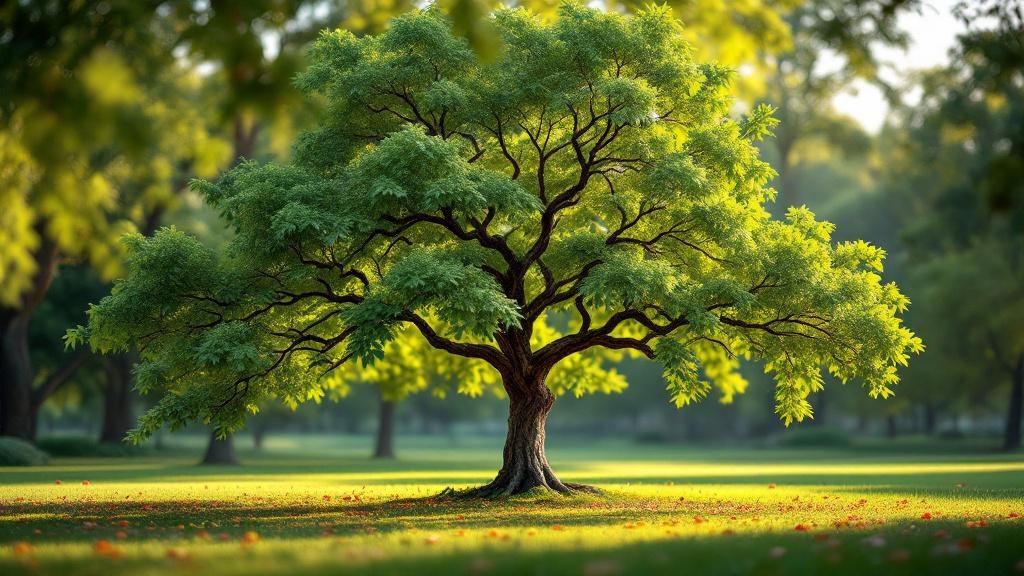
Turkey Oak is one of the most vigorous oak species you can plant in a temperate garden, growing up to 60cm per year in ideal conditions. Gardeners often search for advice on where to plant this impressive tree, as its mature size demands careful planning. With its handsome spreading crown and tolerance for challenging soils, Quercus cerris makes an excellent specimen tree for larger properties, parks, and rural gardens where space allows for its eventual 20-meter canopy spread.
Watering Your Turkey Oak
Newly planted Turkey Oaks need deep watering every 7-10 days during their first two summers, especially during dry spells in July and August. Once established after 2-3 years, these trees rarely need supplemental watering except during extreme drought. Water deeply at the drip line rather than close to the trunk to encourage roots to spread outward. In the first winter, water occasionally during mild dry periods to help root establishment.
Light Requirements for Turkey Oak
Turkey Oak thrives in full sun, requiring at least 6 hours of direct sunlight daily for optimal growth and form. It tolerates partial shade, particularly when young, but develops a more open, irregular canopy in shaded conditions. When selecting a planting site, consider the tree's eventual height and ensure it won't be overshadowed by buildings or larger trees. South or west-facing positions are ideal in temperate climates.
Soil and Planting
Plant Turkey Oak from late October through March when the tree is dormant, avoiding waterlogged or frozen ground. This species tolerates a remarkable range of soils including heavy clay, chalky limestone, and sandy loams with pH from 5.5 to 8.0. Dig a planting hole three times the width of the root ball but no deeper. Stake young trees for the first two years and mulch annually with well-rotted bark chips, keeping mulch 10cm away from the trunk.
Temperature and Climate Tolerance
Turkey Oak is fully hardy throughout USDA zones 5-8, tolerating winter temperatures down to minus 20 degrees Celsius without damage. It handles summer heat well and is notably more drought-tolerant than native English or Sessile oaks once established. This species also withstands urban pollution and coastal winds better than many oaks, making it versatile for challenging sites. Late spring frosts rarely damage the emerging foliage.
Fertilizing Turkey Oak
Established Turkey Oaks rarely need fertilizing if grown in reasonable soil. For young trees in poor soil, apply a balanced slow-release fertilizer in early April, scattered beneath the canopy. Avoid high-nitrogen feeds which promote soft growth susceptible to frost damage. An annual mulch of composted bark or leaf mould in autumn provides gentle nutrition while improving soil structure around the root zone.
Common Problems and Pests
Oak processionary moth has become a serious concern in parts of England and Central Europe since the 2000s, with caterpillars that defoliate trees and cause skin irritation in humans. Check for distinctive white silken nests on branches from April to June and report sightings to local authorities. Powdery mildew can affect foliage in humid summers but rarely harms the tree long-term. Knopper gall wasps cause distorted acorns but don't affect tree health.
Frequently asked questions
How fast does Turkey Oak grow?
Turkey Oak grows 40-60cm per year in good conditions, making it one of the fastest-growing oak species. Young trees establish quickly and can reach 10 meters within 15-20 years. Growth slows somewhat after the first few decades as the tree matures.
How big does a Turkey Oak get?
Turkey Oak typically reaches 25-30 meters tall with a crown spread of 15-20 meters at maturity. It takes 50-80 years to reach full size. This makes it suitable only for larger gardens, estates, or parkland settings where space is not a constraint.
Why are my Turkey Oak leaves turning brown in summer?
Brown leaves in summer usually indicate drought stress or oak wilt disease. Water deeply during dry periods, especially for trees under five years old. If browning appears in patches with wilting, consult an arborist as this may indicate a more serious fungal infection requiring professional assessment.
When should I plant a Turkey Oak tree?
Plant Turkey Oak during the dormant season from November through early March when the ground is not frozen or waterlogged. Late November planting is ideal as roots can establish somewhat before winter. Bare-root trees are most economical and establish well when planted in this window.
Is Turkey Oak good for wildlife?
Turkey Oak provides excellent wildlife habitat, with its acorns feeding jays, squirrels, and wood pigeons. However, the acorns are less valuable than native oak species for specialist insects. The bark and canopy support various moth species, lichens, and nesting birds, making it a worthwhile addition to wildlife-friendly landscapes.