Dragon Fruit
Dragon fruit captivates gardeners with its dramatic nighttime flowers and exotic fruit, but growing this tropical cactus in temperate regions requires specific know-how. The most common question growers ask is whether pitahaya can actually fruit in cooler climates. The answer is yes, with patience, warmth, and the right overwintering strategy. Native to Central America, this climbing cactus adapts surprisingly well to container culture, making it a rewarding challenge for dedicated home gardeners.
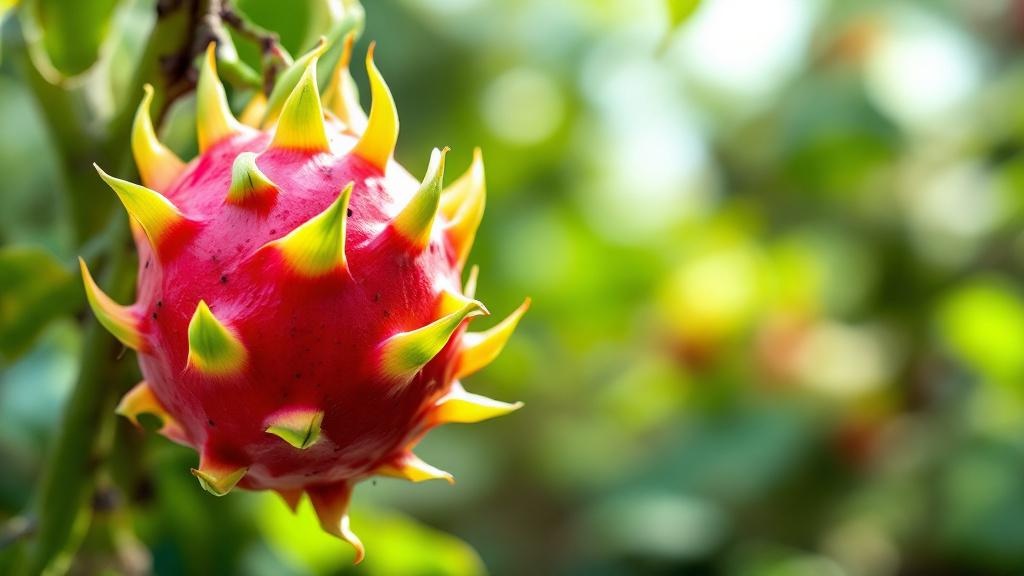
Watering Your Dragon Fruit: Tropical Cactus, Not Desert Dweller
Water thoroughly every 10-14 days during the growing season from May through September, allowing the top 5cm of soil to dry between waterings. Unlike desert cacti, dragon fruit comes from humid jungles and appreciates more moisture during active growth. Reduce watering to once every 3-4 weeks from November through February when growth slows. Overwatering in winter causes root rot, the primary killer of indoor dragon fruit plants.
Light Requirements: Maximizing Sun in Northern Climates
Dragon fruit needs at least 6 hours of direct sunlight daily to thrive and fruit. Place containers in the sunniest south-facing spot available, whether a conservatory, greenhouse, or sunny patio from late May to September. In UK and Central European winters, supplement with grow lights for 12-14 hours daily to prevent etiolation. Insufficient light produces weak, pale growth and eliminates any chance of flowering.
Soil and Repotting: Fast Drainage Is Essential
Use a fast-draining mix of 60% cactus compost and 40% perlite or coarse sand. Repot young plants annually in April, moving up one pot size until they reach a 30-40cm container. Mature plants can remain in the same pot for 3-4 years with annual top-dressing. Ensure containers have large drainage holes and never let pots sit in water-filled saucers.
Temperature and Humidity: The Overwintering Challenge
Dragon fruit thrives between 18-30°C but tolerates brief dips to 10°C. In temperate climates, move plants outdoors after the last frost in late May and bring them inside before temperatures drop below 10°C in late September. Overwinter in a bright, cool room at 12-15°C with reduced watering to induce dormancy. Humidity of 40-60% suits them well, which matches most heated homes in winter.
Fertilizing for Growth and Fruiting
Feed every 2-3 weeks from April through August with a balanced liquid fertilizer diluted to half strength. Switch to a high-potassium tomato feed in June and July to encourage flowering on mature plants over 3 years old. Stop fertilizing completely from October through March during the rest period. Over-fertilizing causes leggy growth and salt buildup in container soil.
Common Problems: Pests and Diseases in Temperate Conditions
Mealybugs hide in stem joints and appear as white cottony masses; treat with rubbing alcohol on a cotton swab or neem oil spray. Root rot from overwatering shows as yellowing stems and mushy bases; remove affected roots, let the plant dry, and repot in fresh mix. Scale insects and spider mites attack stressed plants indoors during dry winter months; increase humidity and apply insecticidal soap. Fungal stem spots occur in poorly ventilated conditions, so ensure good airflow around your plant.
Frequently asked questions
How often should I water dragon fruit?
Water every 10-14 days during the growing season from May to September, allowing soil to partially dry between waterings. Reduce to once every 3-4 weeks in winter when the plant is dormant. Dragon fruit tolerates drought better than soggy roots.
Why are my dragon fruit stems turning yellow?
Yellow stems usually indicate overwatering or root rot, especially during winter. Check the roots for mushiness and reduce watering frequency immediately. Other causes include insufficient light or cold damage below 10°C.
Can dragon fruit survive winter in the UK?
Dragon fruit cannot survive outdoors in UK winters and must be brought inside when temperatures drop below 10°C, typically in late September. Overwinter in a bright, cool room at 12-15°C with minimal watering. A heated greenhouse or conservatory provides ideal winter conditions.
How long until dragon fruit produces fruit?
Dragon fruit plants grown from cuttings can flower in 2-3 years, while seed-grown plants take 5-7 years. In temperate climates, fruiting requires excellent light, warm summer temperatures, and often hand-pollination since the flowers open only at night.
Is dragon fruit safe for cats and dogs?
Yes, dragon fruit is completely non-toxic to cats, dogs, and other pets. Both the stems and fruit are safe if your curious pet takes a nibble. This makes it an excellent choice for households with animals.