Brussels Sprouts
Brussels sprouts are one of the most satisfying vegetables to grow at home, offering months of harvests and a flavor far superior to store-bought. The most common question gardeners ask is why their sprouts stay small or loose instead of forming tight heads. The answer usually lies in timing, consistent moisture, and patience — these slow-growing brassicas need a long season and actually improve after light frosts sweeten their flavor in late autumn.
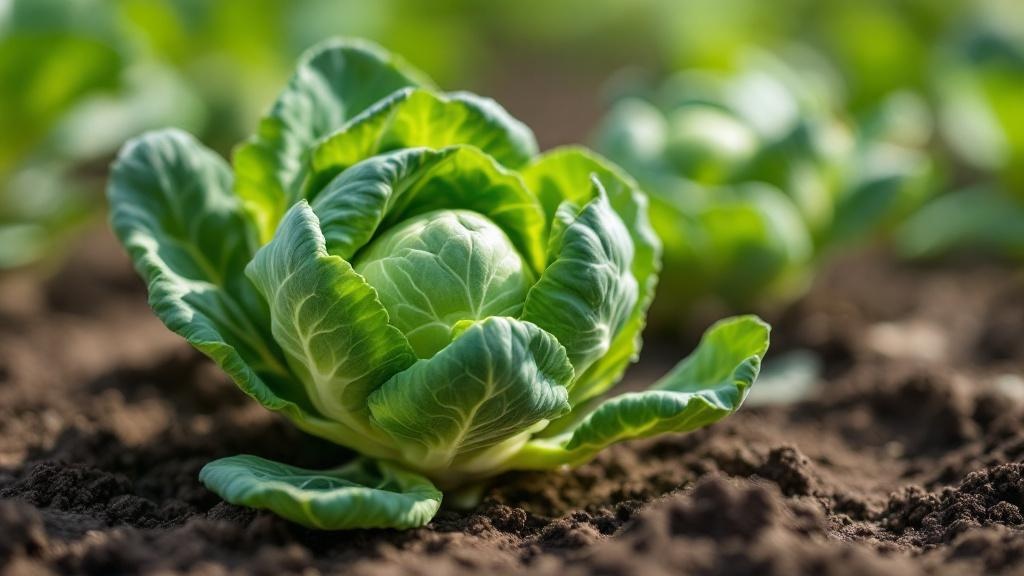
Watering Brussels Sprouts for Best Growth
Brussels sprouts need consistent, even moisture throughout their long growing season. Water deeply once or twice weekly, providing roughly 25-40mm total, rather than frequent shallow watering. Inconsistent watering causes loose, bitter sprouts. Mulch with compost or straw in July to retain soil moisture during summer heat and reduce watering frequency.
Light Requirements for Strong Stalks
Plant Brussels sprouts in full sun with at least 6 hours of direct light daily for compact, well-formed sprouts. In warmer Zone 7-8 areas, afternoon shade can help prevent bolting during unexpected September heat waves. Avoid planting near tall crops like sweetcorn that will shade the developing plants during their critical autumn maturation period.
Soil Preparation and Transplanting
Brussels sprouts thrive in firm, fertile soil with a pH of 6.5-7.5. Dig in well-rotted manure or compost in early spring before planting. Unlike most vegetables, they prefer soil that is not too loose — firm the soil well around transplants in May to support their tall stalks. Add garden lime if your soil is acidic, as brassicas are prone to clubroot in low pH conditions.
Temperature and Seasonal Timing
Start seeds indoors in March or April, transplanting outdoors in late May after hardening off. Brussels sprouts need 90-180 days to mature, so plan for October-December harvests. They tolerate frost down to minus 6°C and actually taste sweeter after light November frosts convert their starches to sugars. In exposed gardens, stake plants in September before autumn winds arrive.
Feeding Schedule for Heavy Croppers
Brussels sprouts are heavy feeders requiring regular nutrition throughout the season. Apply a balanced fertilizer at transplanting, then side-dress with nitrogen-rich feed in July when plants reach 30cm tall. Avoid excessive nitrogen after August, which promotes leafy growth over sprout development. A light potassium feed in September helps firm up developing sprouts.
Common Problems and Organic Solutions
Cabbage white butterflies lay eggs from May onwards — inspect leaf undersides weekly and remove yellow egg clusters by hand, or cover plants with fine insect mesh. Aphids cluster on developing sprouts in late summer; blast off with water or use insecticidal soap. Clubroot causes wilting and stunted growth in acidic soils — rotate brassica planting locations every 3-4 years and lime affected beds. Pigeons can decimate young plants, so net transplants immediately.
Frequently asked questions
Why are my Brussels sprouts not forming heads?
Loose or absent sprout heads usually result from inconsistent watering, nitrogen excess, or harvesting too early. These slow-growing plants need 90-180 days to mature, with most varieties forming tight sprouts only after temperatures drop below 10°C in October. Be patient, maintain even moisture, and avoid late-season nitrogen fertilizer.
When should I plant Brussels sprouts in the UK?
Sow Brussels sprouts indoors from mid-March to April, then transplant outdoors in late May or early June when plants have 4-6 true leaves. This timing allows the long growing season needed for autumn and early winter harvest. Late plantings after June often fail to mature before winter.
How do I know when Brussels sprouts are ready to harvest?
Brussels sprouts are ready when the lowest sprouts reach 2-3cm diameter and feel firm when squeezed, typically from October onwards. Harvest from the bottom of the stalk upward as sprouts mature progressively, snapping or cutting each sprout off cleanly. Sprouts touched by light frost in November have the sweetest flavor.
Are Brussels sprouts toxic to cats or dogs?
No, Brussels sprouts are not toxic to cats or dogs and are actually safe for pets to eat in small amounts. However, feeding large quantities may cause digestive upset and gas in pets, just as with humans. The leaves and stalks are equally non-toxic.
How do I stop cabbage white caterpillars eating my Brussels sprouts?
Cover plants with fine insect mesh from May onwards to prevent cabbage white butterflies from laying eggs on the leaves. If caterpillars appear, hand-pick them daily or spray with Bacillus thuringiensis, an organic caterpillar control available at most garden centers. Check leaf undersides weekly for yellow egg clusters and crush them before hatching.