Nanking Cherry
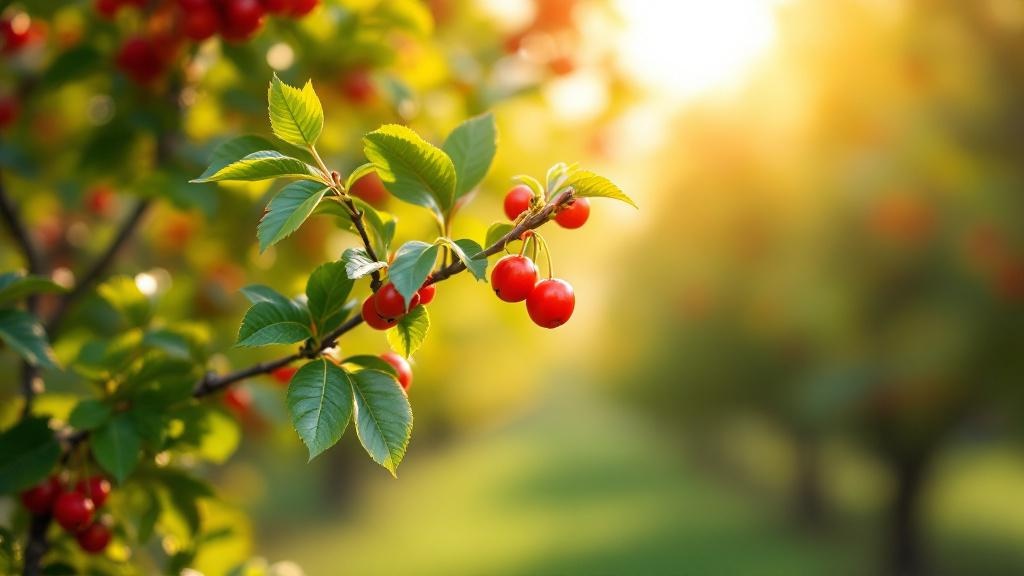
Nanking Cherry is one of the most rewarding fruit shrubs for home gardeners seeking cold-hardy, low-maintenance crops. Native to central Asia, this compact bush produces masses of fragrant pink-white blossoms in April followed by small, tart red cherries in June and July. The most common question gardeners ask is how to maximize fruit production while keeping the shrub healthy and manageable in size. With proper care, a single Nanking Cherry can yield 3-5 kilograms of fruit annually.
Watering Your Nanking Cherry Through the Seasons
Water newly planted Nanking Cherries deeply once per week during their first two growing seasons to establish strong roots. Once mature, these shrubs are remarkably drought-tolerant and typically only need supplemental water during extended dry spells in July and August. Provide 2-3 centimeters of water weekly during fruit development in late May through June to ensure plump, juicy cherries. Avoid waterlogging, which promotes root rot in heavy soils.
Light Requirements for Maximum Fruit Production
Nanking Cherry thrives in full sun with at least 6 hours of direct sunlight daily. Plants grown in partial shade will survive but produce significantly fewer flowers and fruit. Position your shrub in a south or west-facing location away from tall trees that might cast afternoon shade. Morning sun is especially valuable as it dries dew quickly, reducing fungal disease pressure.
Soil Preparation and Transplanting
Plant Nanking Cherry in well-draining soil with a pH between 6.0 and 7.5. Amend heavy clay soils with coarse sand and compost before planting. The best time to plant bare-root specimens is in late March to mid-April before bud break, or in October for container-grown plants. Space multiple shrubs 1.5 to 2 meters apart for hedging or 2.5 meters for individual specimen growth.
Temperature Tolerance and Winter Hardiness
Nanking Cherry is exceptionally cold-hardy, surviving temperatures down to minus 35°C without protection. This makes it ideal for exposed gardens across Central Europe, the UK, and Northern US states. The shrub requires 500-1000 chill hours below 7°C for proper dormancy, easily met in temperate climates. Late spring frosts can damage early blossoms in April, so avoid planting in frost pockets where cold air collects.
Feeding Schedule for Healthy Growth
Apply a balanced granular fertilizer (10-10-10) in early April as buds begin swelling, using approximately 100 grams per shrub. A second light feeding after harvest in July supports next year's fruit bud formation. Avoid high-nitrogen fertilizers after midsummer, as they promote soft growth vulnerable to winter damage. A 5-centimeter layer of compost applied each autumn provides slow-release nutrients and protects roots.
Common Problems and Solutions
Brown rot (Monilinia) is the most significant disease, causing blossoms and fruit to turn brown and mummify. Remove infected material immediately and apply copper fungicide in early spring before bloom. Aphids often colonize new growth in May; spray with insecticidal soap or encourage ladybirds as natural predators. Cherry slug sawfly larvae can skeletonize leaves in late summer but rarely cause lasting damage to established shrubs.
Frequently asked questions
How often should I water Nanking Cherry?
Water established Nanking Cherry only during extended dry periods, typically every 10-14 days without rain in summer. Young plants in their first two years need weekly deep watering to develop strong root systems. During fruit development in June, consistent moisture produces better harvests.
When does Nanking Cherry bloom and fruit?
Nanking Cherry blooms in early to mid-April in temperate climates, with fruit ripening in late June through July. The fragrant pink-white flowers appear before or alongside emerging leaves and last about two weeks. Fruit is ready when it turns deep red and pulls easily from the stem.
Why are my Nanking Cherry leaves turning yellow?
Yellow leaves typically indicate overwatering, poor drainage, or iron chlorosis in alkaline soils. Check that the soil drains well and reduce watering frequency if the ground stays soggy. For chlorosis, apply chelated iron or acidify the soil with sulfur in autumn.
Is Nanking Cherry toxic to cats and dogs?
The fruit flesh of Nanking Cherry is non-toxic and safe for pets to eat in moderation. However, the pits, leaves, and stems contain amygdalin, which releases cyanide when crushed or chewed. Keep pets from consuming large quantities of fallen fruit with intact pits.
How do I prune Nanking Cherry for more fruit?
Prune Nanking Cherry in late February to early March while still dormant to maximize fruit production. Remove dead, crossing, and inward-growing branches to improve air circulation. Nanking Cherry fruits on one-year-old wood, so avoid removing all new growth; instead, thin older branches to encourage fresh productive stems.