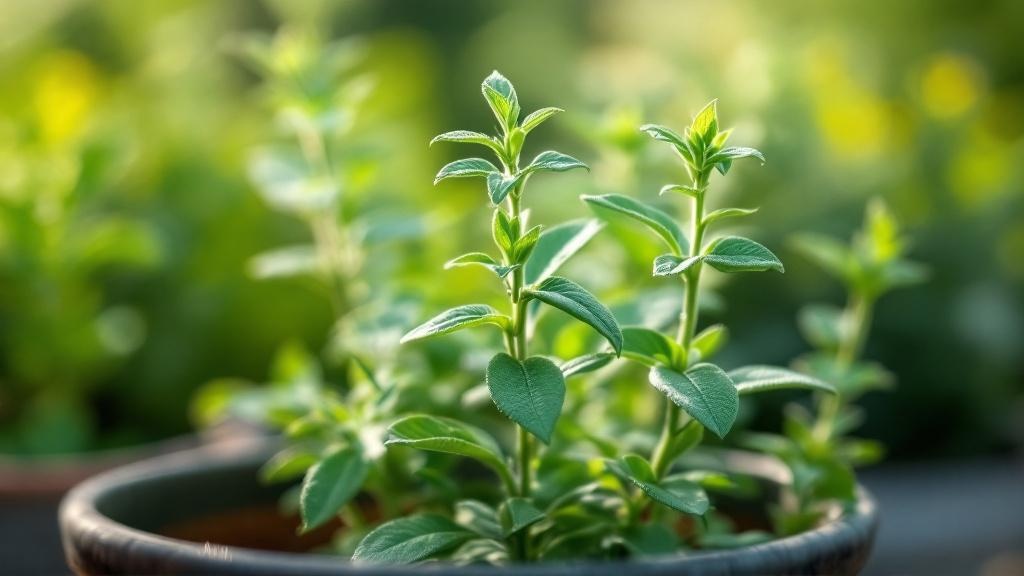
Sea Buckthorn
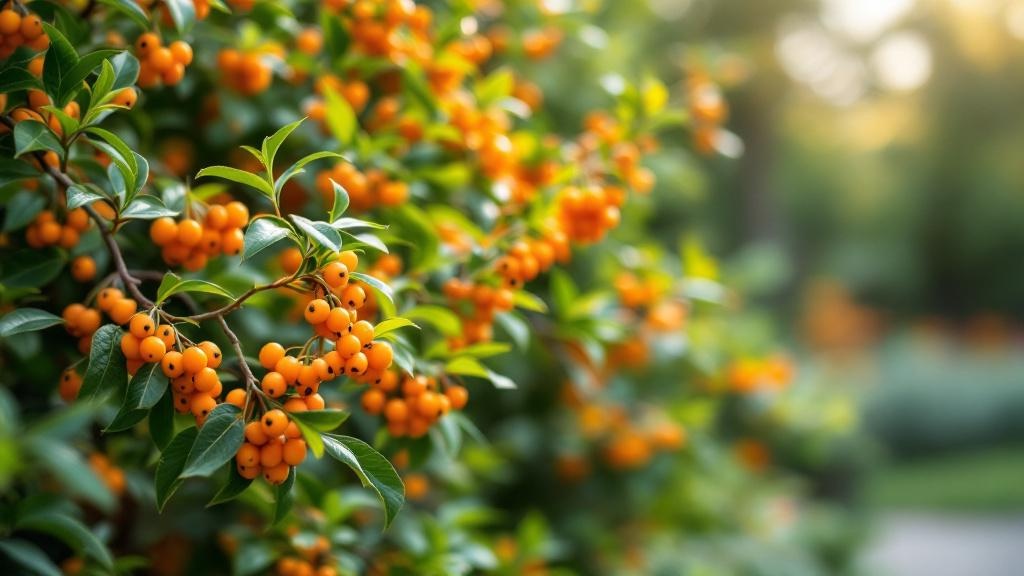
Sea buckthorn has surged in popularity among home gardeners seeking a low-maintenance, wildlife-friendly shrub that thrives in challenging conditions. Native to coastal and mountainous regions of Europe and Asia, this thorny deciduous shrub produces nutrient-dense orange berries packed with vitamins. The most common question gardeners ask is whether they need multiple plants for berry production — and the answer is yes, you need both male and female plants for successful fruiting.
Watering Your Sea Buckthorn
Sea buckthorn is remarkably drought-tolerant once established, typically after its second growing season. Water newly planted shrubs deeply every 7-10 days during their first summer, then reduce to every 2-3 weeks. Established plants rarely need supplemental watering in temperate climates except during extended dry spells in July and August. Avoid waterlogged soil, as this causes root rot faster than drought stress.
Light Requirements for Healthy Growth
Plant sea buckthorn in full sun with at least 6 hours of direct sunlight daily. This shrub tolerates coastal exposure and windy sites exceptionally well, making it ideal for challenging garden locations. Insufficient light leads to sparse berry production and leggy growth. South or west-facing positions work best in Northern European and Northern US gardens.
Soil and Planting Guidelines
Sea buckthorn thrives in poor, sandy, or gravelly soils where other plants struggle. It fixes atmospheric nitrogen through root nodules, actually improving soil fertility over time. Plant in autumn (October-November) or early spring (March-April) before bud break. Avoid heavy clay soils; if necessary, amend with coarse sand and plant on a slight mound to improve drainage.
Temperature and Climate Tolerance
This shrub is exceptionally cold-hardy, surviving temperatures down to minus 40°C, making it suitable throughout USDA zones 3-8. Sea buckthorn handles harsh winds, salt spray, and temperature fluctuations that would damage most fruit-bearing shrubs. In temperate climates, no winter protection is needed. Summer heat up to 35°C is tolerated if roots stay cool.
Fertilizing Sea Buckthorn
Sea buckthorn requires minimal fertilization due to its nitrogen-fixing ability. Apply a light dressing of balanced organic fertilizer in early April only if growth appears stunted. Avoid high-nitrogen feeds, which promote leafy growth at the expense of berries. A 5cm layer of compost mulch applied in late autumn provides sufficient nutrients for most garden situations.
Common Problems and Solutions
Verticillium wilt can affect sea buckthorn in poorly drained soils, causing sudden branch dieback — remove affected branches immediately and improve drainage. Sea buckthorn fly (Rhagoletis batava) lays eggs in developing berries in June-July; affected fruits appear shriveled and should be removed and destroyed. Aphids occasionally colonize new growth in May; blast off with water or apply insecticidal soap if infestations are severe.
Frequently asked questions
Do I need two sea buckthorn plants to get berries?
Yes, sea buckthorn is dioecious, meaning you need separate male and female plants for berry production. Plant one male for every 6-8 female plants, positioning the male upwind so pollen travels to females. Wind pollination occurs in April before leaves emerge.
When do you harvest sea buckthorn berries?
Harvest sea buckthorn berries from late August through September when they turn bright orange but before the first hard frost. The berries are fragile and burst easily, so many gardeners cut entire branches and freeze them, then shake off the frozen berries. Fresh picking requires patience and protective gloves due to thorns.
Why are my sea buckthorn leaves turning yellow?
Yellow leaves on sea buckthorn typically indicate waterlogged soil or poor drainage rather than nutrient deficiency. Check that the root zone is not sitting in standing water, especially after heavy autumn rains. Improve drainage by adding gravel around the base or consider relocating the plant to a raised position.
How big does sea buckthorn grow?
Sea buckthorn typically grows 3-4 meters tall and spreads 3-4 meters wide at maturity, though size varies by cultivar. The shrub reaches full size within 8-10 years and can be kept smaller through annual pruning in late February. Dwarf cultivars are available for smaller gardens.
Is sea buckthorn invasive?
Sea buckthorn can spread aggressively through root suckers, particularly in sandy soils, and is considered invasive in some North American regions. Install a root barrier at planting or mow suckers regularly to control spread. In European gardens, suckering is generally manageable with annual removal in early spring.