Bugleweed
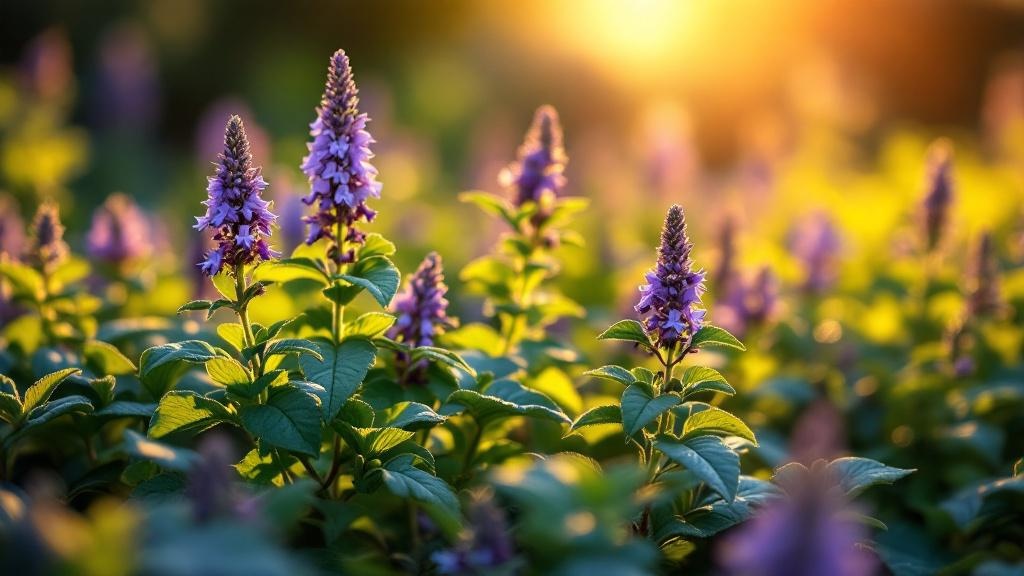
Bugleweed is the answer to those frustrating bare patches under trees where grass refuses to grow. This tough little ground cover spreads quickly, tolerates deep shade, and rewards you with stunning spikes of blue-violet flowers in late April through May. The most common question gardeners ask is why their Bugleweed is turning brown or dying back, which usually comes down to crown rot from poor drainage. Once you understand its simple needs, Ajuga reptans becomes one of the most reliable performers in a temperate garden.
Watering Bugleweed: Less Is More Once Established
Water newly planted Bugleweed every 5-7 days during the first growing season to help roots establish. Once mature, Ajuga reptans is remarkably drought-tolerant and typically survives on natural rainfall in temperate climates. During extended dry spells in July and August, give plants a deep soak every 10-14 days. Always water at soil level in the morning to prevent crown rot.
Light Requirements: Shade Lover with Sun Tolerance
Bugleweed performs best in partial to full shade, making it ideal for north-facing borders and woodland gardens. In Central Europe and the Northern US, it tolerates 3-4 hours of morning sun, but intense afternoon sun causes leaf scorch and faded foliage colour. The deepest purple and bronze leaf tones develop in dappled shade. Avoid planting in full sun locations in zones 7-8 where summer heat is intense.
Soil and Repotting: Drainage Is Everything
Plant Bugleweed in humus-rich soil amended with compost to improve both moisture retention and drainage. Ajuga reptans tolerates clay soil better than most ground covers but will rot in waterlogged conditions over winter. Space plants 20-30cm apart in spring or early autumn for quick coverage. Division every 3-4 years in September keeps clumps vigorous and prevents overcrowding.
Temperature and Humidity: Built for Temperate Winters
Bugleweed is fully hardy throughout zones 5-8, surviving temperatures down to minus 30 degrees Celsius without protection. The evergreen foliage may bronze further in harsh winters but bounces back by April. High humidity is not a concern outdoors, though good air circulation prevents fungal issues. Avoid heavy mulch directly over crowns in winter as this traps moisture and promotes rot.
Fertilizing Bugleweed: Light Feeding Only
Ajuga reptans needs minimal fertilization in average garden soil. Apply a thin layer of compost or well-rotted manure in early March as new growth emerges. If growth seems sluggish, use a balanced slow-release fertilizer at half strength in April. Over-fertilizing produces lush foliage at the expense of flowers and can encourage aggressive spreading into unwanted areas.
Common Problems: Crown Rot, Powdery Mildew, and Slugs
Crown rot is the primary killer of Bugleweed, appearing as brown, mushy centres in poorly drained soil. Improve drainage immediately and remove affected plants to prevent spread. Powdery mildew occasionally appears in humid summers, particularly in overcrowded plantings. Thin clumps for better airflow and avoid overhead watering. Slugs and snails target young spring growth in March and April. Use iron phosphate bait or beer traps to protect emerging foliage.
Frequently asked questions
How often should I water Bugleweed?
Water established Bugleweed only during prolonged dry spells, roughly every 10-14 days in summer drought. New plantings need weekly water for the first season. This ground cover is more likely to suffer from overwatering than underwatering.
Why is my Bugleweed turning brown and dying?
Brown, dying Bugleweed is almost always caused by crown rot from waterlogged soil. Check drainage around affected plants and remove any that have mushy, rotting centres. Replant in a better-drained location or amend soil with grit and compost.
When does Bugleweed bloom?
Bugleweed blooms from late April through May in temperate climates, producing upright spikes of blue-violet flowers for 3-4 weeks. Flowers attract early bees and butterflies. Deadheading is optional but tidies appearance after flowering.
Is Bugleweed toxic to cats and dogs?
Bugleweed is not toxic to cats or dogs according to most veterinary resources. It is considered a safe ground cover choice for gardens where pets roam. However, eating large quantities of any plant material may cause mild stomach upset.
How do I stop Bugleweed from spreading too much?
Control Bugleweed spread by installing a root barrier or edging strip around planting areas. Runners that escape can be pulled up easily in spring when soil is moist. Regular edging every few weeks during the growing season keeps boundaries tidy.